拇指胡萝卜

Search documents
从一棵西兰苔看消费升级骗局:我们花三倍价钱买的到底是什么?
Sou Hu Cai Jing· 2025-11-28 10:26
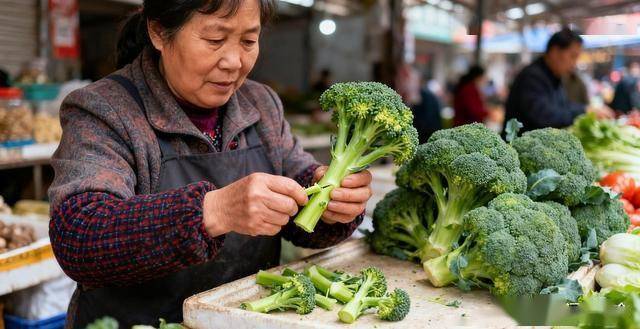
Core Insights - The article highlights the deceptive marketing practices in the fresh produce sector, particularly focusing on the misrepresentation of vegetables like "fruit broccoli" and "baby carrots" as premium products, despite being inferior or rejected produce [1][3][5] - It emphasizes the growing trend of middle-class consumers paying a premium for perceived health benefits, which often do not translate into significant nutritional differences [3][5] Group 1: Misleading Marketing Practices - The so-called "fruit broccoli" is actually just side branches or immature heads of regular broccoli, often sold at three times the price of standard varieties [1] - Some retailers use food-grade dyes to enhance the appearance of vegetables, misleading consumers into believing they are purchasing a superior product [3] - The average price of vegetables labeled for specific demographics, such as "infant use" or "fitness recommended," is 238% higher, while the nutritional differences are often minimal [3] Group 2: Consumer Behavior and Perception - Consumers are increasingly buying into the idea of "health premium," often overlooking the actual nutritional value of the products they purchase [3][5] - The article suggests that consumers are not just buying vegetables but are also purchasing the idea of a "refined lifestyle," which is a form of symbolic value rather than practical utility [5] - It encourages consumers to be more rational by checking harvest dates and comparing prices of similar products, as local seasonal vegetables may offer better nutritional value than long-distance transported "premium" options [5]