西兰苔

Search documents
深农赋能绿脉延,怀集蔬香满湾区
Nan Fang Nong Cun Bao· 2026-01-16 02:39
Core Viewpoint - The article highlights the growth and development of Huai Ji Shen Nong Modern Agricultural Development Co., Ltd., which is positioned as a key player in the vegetable industry of the Guangdong-Hong Kong-Macao Greater Bay Area, focusing on high-quality agricultural practices and standardization to meet market demands [2][3][4]. Group 1: Company Overview - Huai Ji Shen Nong was officially established in January 2023, aiming to create a "supply standard farm for Hong Kong" [17][19]. - The company has a cultivated area of 2,200 acres, implementing a scientific planting model of "grain-vegetable rotation" [21][22]. - The company has achieved annual vegetable sales exceeding 500 tons, distributing products to cities such as Dongguan, Shenzhen, Shanghai, and Nanning [23][26]. Group 2: Agricultural Practices - The company employs standardized planting, intelligent empowerment, and brand operation to enhance the vegetable industry [4][5]. - It has developed a full-process standardization system covering pre-production, production, and post-production stages, successfully passing the Hong Kong supply base registration in 2024 [24][26]. - The use of standard transfer boxes has reduced logistics costs to below 5 yuan per trip, decreasing losses by 10%-15% compared to traditional methods [34]. Group 3: Industry Impact - As a core engine of the Lingnan vegetable hometown demonstration area, the company aims to drive industry upgrades through its strategic layout [29][30]. - The company has established a modern cold chain logistics center to streamline the distribution process, addressing initial logistical challenges [38]. - The company integrates local specialty products into its offerings, enhancing brand value and achieving revenue in the million-level range in 2023 [41]. Group 4: Community Engagement - The company emphasizes the importance of rural development, ensuring that local farmers benefit from the industry growth [43][45]. - Through land transfer, the company has activated idle land resources, providing stable income for farmers and creating over 2,000 local jobs [46][48]. - The company has facilitated an average annual income increase of 3,044 yuan per household for participating farmers [48].


元旦佳节“鲜”味浓!新奇蔬果、头茬早茶、活蹦海鲜都来了
Yang Shi Xin Wen Ke Hu Duan· 2026-01-01 12:41
Group 1: Consumer Market Trends - The consumer market is experiencing a surge in fresh products as the New Year and Spring Festival approach, with a variety of new fruits and vegetables becoming available [1] - The "frost-hit vegetables" have emerged as a popular category, with better appearance and taste due to low-temperature frost treatment, and the sourcing of these vegetables is expanding from regions like Zhangjiakou and Ningxia to Hubei and Sichuan [3] - Sales data indicates that the sales of the "Jade Sweet King" fruit radish skyrocketed by 2400% in December compared to November, while sales of ice cream radish and green radish increased by 300% to 500% [5] Group 2: Agricultural Innovations - New varieties and technologies are accelerating the availability of seasonal produce, with red mustard greens being harvested earlier in Hubei, covering an area of 30,000 acres [7] - The unique climate conditions in Pu'an, Guizhou, allow for early tea harvesting, with the area expected to have 40,000 acres of tea gardens by 2026, a 10% increase from previous years [14][18] Group 3: Seafood Market Dynamics - The seafood market in Guangdong's Maoming is thriving, with a bustling seafood market operating from early morning, showcasing fresh catches directly from fishing boats [20][22] - The market has evolved from a traditional local fish market to a modern seafood distribution center, attracting visitors from outside the province and integrating e-commerce live streaming into its operations [22] - The processing shops in the market utilize traditional cooking methods to transform fresh seafood into popular dishes, enhancing the consumer experience and extending the market's consumption chain [24]
新品种新技术丰富节日消费市场 百姓“菜篮子”“果盘子”量足价稳鲜味足
Yang Shi Wang· 2026-01-01 03:36
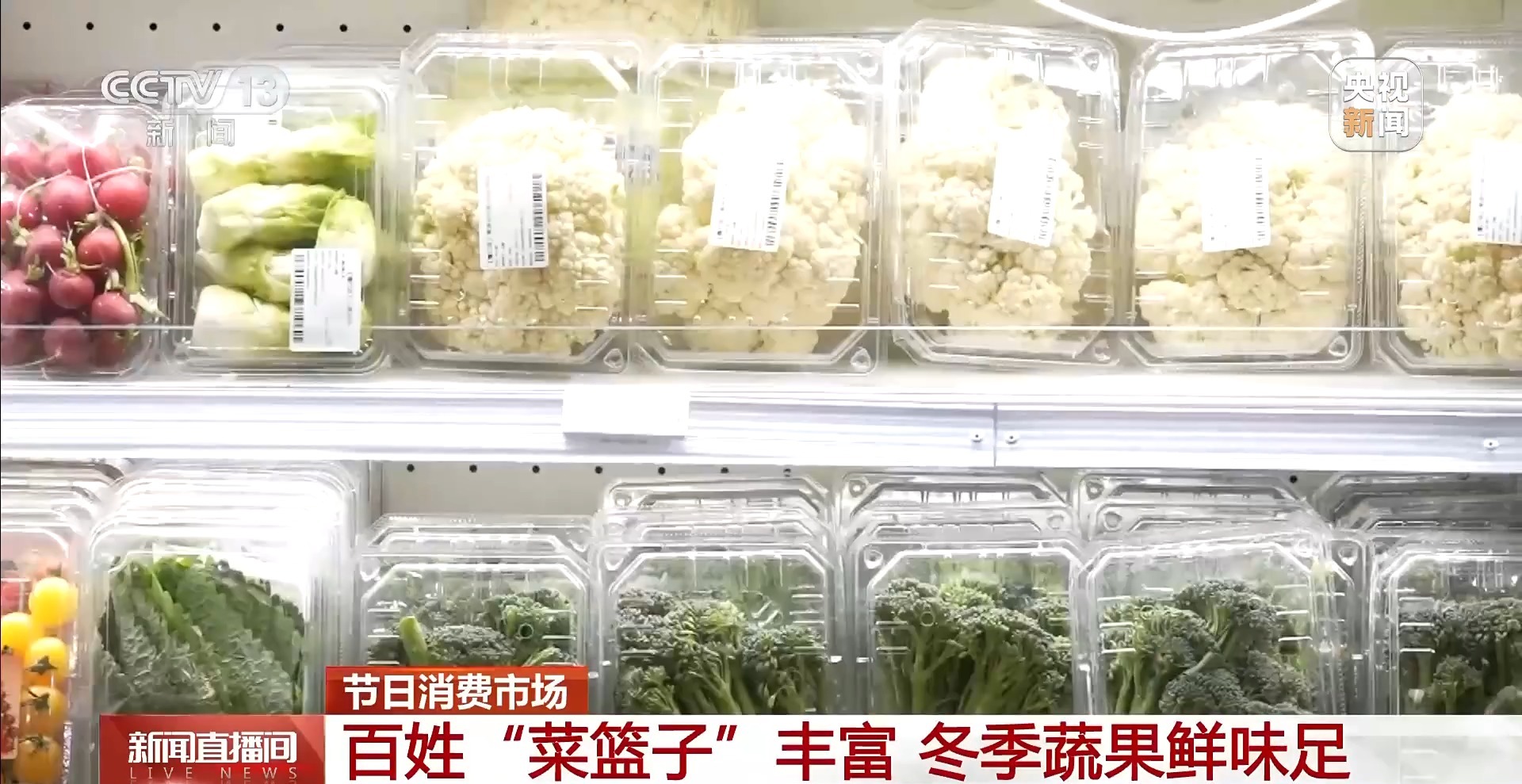
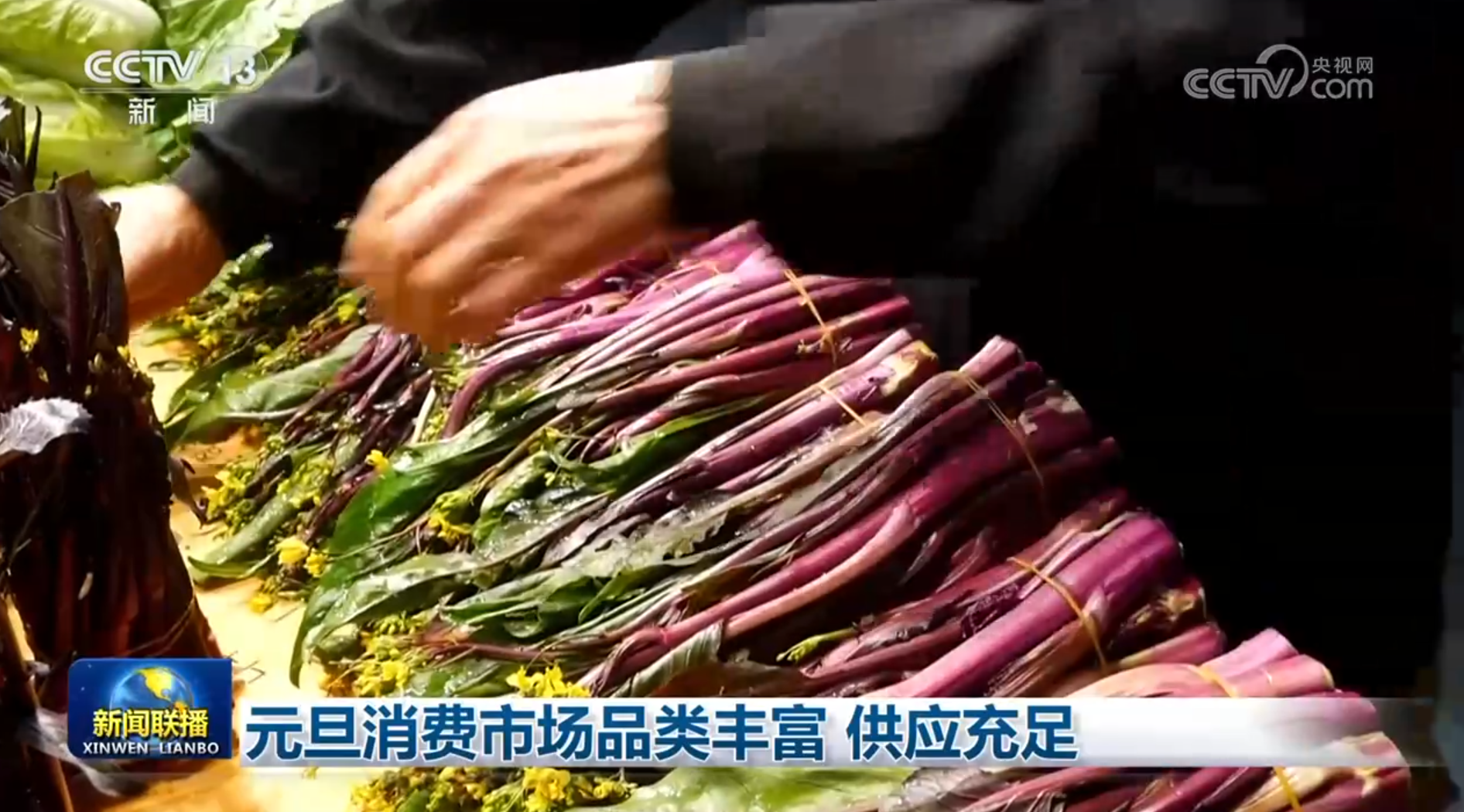
Group 1: Market Trends - The consumer market is experiencing a rich variety of fresh products as the New Year and Spring Festival approach, with new vegetable and seafood varieties becoming available [1] - "Frosted vegetables" have emerged as a popular category, with sourcing expanding from Zhangjiakou and Ningxia to Hubei and Sichuan, alongside over 40 new varieties like broccoli and ice cream radish being introduced [1] - In Hubei, the early-season red cabbage has been planted over 30,000 acres, showcasing the acceleration of new varieties and technologies in the market [3] Group 2: Import and Distribution - A significant influx of imported fruits such as cherries and blueberries is being observed, contributing to the freshness of New Year fruit platters [5] - The Hai Jixing market in Shenzhen, a major distribution center, operates at peak hours early in the morning, ensuring that imported fruits maintain their freshness during transport [6] - Imported fruits are harvested at low temperatures (1-2°C) and quickly processed, maintaining a temperature of 1.8°C upon arrival in China, ensuring high quality [8] Group 3: Tea Industry - In Guizhou's Puan, tea farmers are harvesting early tea, benefiting from unique climatic conditions that allow for an earlier harvest compared to other regions, with a projected increase of 10% in tea garden area by 2026 [9][11] - The local tea merchants are actively preparing for increased demand, with orders flooding in from across the country and enhanced packaging to showcase local scenery and cuisine [12]
元旦消费市场品类丰富 供应充足
Yang Shi Wang· 2025-12-30 12:47
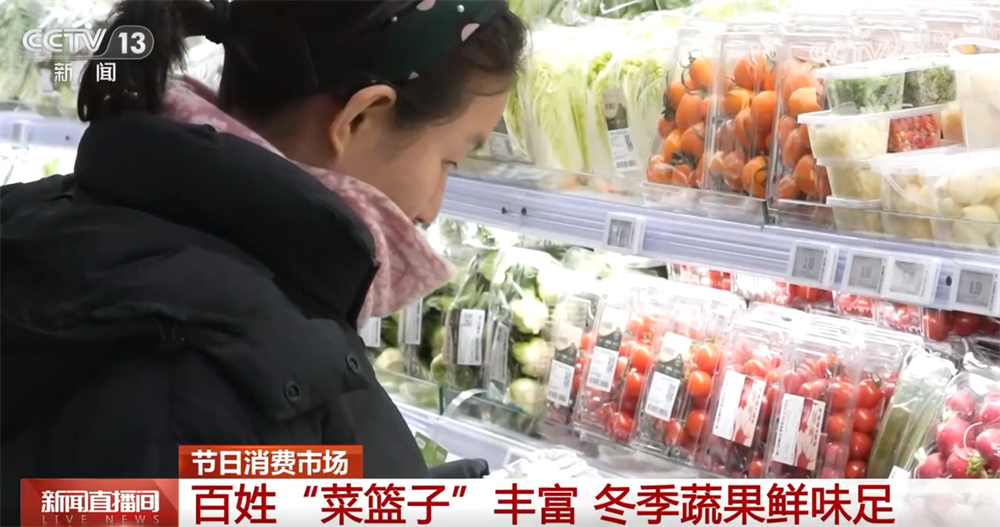
Group 1 - The core viewpoint of the articles highlights the robust supply and increasing sales of agricultural products in various regions of China, particularly during the peak sales season in winter [1][3] Group 2 - In Beijing, new varieties of vegetables such as "frosted vegetables," "Emerald Sweet King" fruit radish, and "ice cream radish" have seen sales double [1] - In Hubei, new varieties of red mustard greens have been launched to capture market demand [1] - In Shenzhen, imported South American cherries and blueberries have successfully entered the domestic market after traveling over 10,000 kilometers [1] Group 3 - According to the Ministry of Commerce, the supply of essential goods is sufficient ahead of the New Year, with inventory levels of fruits, eggs, and cooking oil increasing by 4.9%, 3.2%, and 1.2% respectively compared to the beginning of the month [3] - The Ministry of Agriculture and Rural Affairs reports that the foundation for ensuring the supply and stable prices of grain and oil products is solid, with a stable overall market operation [3] - Major vegetable-producing provinces like Shandong and Anhui are proactively guiding production bases and farmers to arrange planting plans to ensure a rich supply of vegetables [3] - Relevant authorities will implement strong measures to manage vegetable production and coordinate the supply of meat, eggs, fresh milk, and aquaculture to ensure sufficient market supply and stable prices [3]
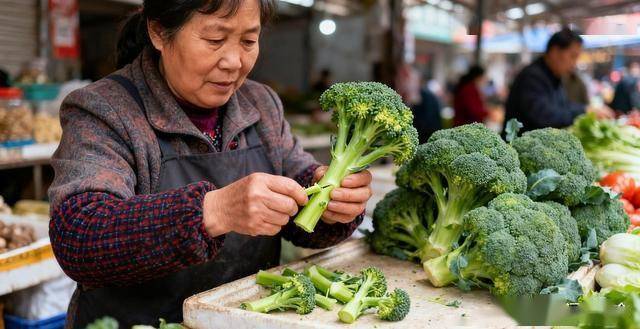
从一棵西兰苔看消费升级骗局:我们花三倍价钱买的到底是什么?
Sou Hu Cai Jing· 2025-11-28 10:26
Core Insights - The article highlights the deceptive marketing practices in the fresh produce sector, particularly focusing on the misrepresentation of vegetables like "fruit broccoli" and "baby carrots" as premium products, despite being inferior or rejected produce [1][3][5] - It emphasizes the growing trend of middle-class consumers paying a premium for perceived health benefits, which often do not translate into significant nutritional differences [3][5] Group 1: Misleading Marketing Practices - The so-called "fruit broccoli" is actually just side branches or immature heads of regular broccoli, often sold at three times the price of standard varieties [1] - Some retailers use food-grade dyes to enhance the appearance of vegetables, misleading consumers into believing they are purchasing a superior product [3] - The average price of vegetables labeled for specific demographics, such as "infant use" or "fitness recommended," is 238% higher, while the nutritional differences are often minimal [3] Group 2: Consumer Behavior and Perception - Consumers are increasingly buying into the idea of "health premium," often overlooking the actual nutritional value of the products they purchase [3][5] - The article suggests that consumers are not just buying vegetables but are also purchasing the idea of a "refined lifestyle," which is a form of symbolic value rather than practical utility [5] - It encourages consumers to be more rational by checking harvest dates and comparing prices of similar products, as local seasonal vegetables may offer better nutritional value than long-distance transported "premium" options [5]
吃、赏、玩同频共振占据“C位” 农业新吃法、新玩法助力产业走出“微笑曲线”
Yang Shi Wang· 2025-10-27 06:44
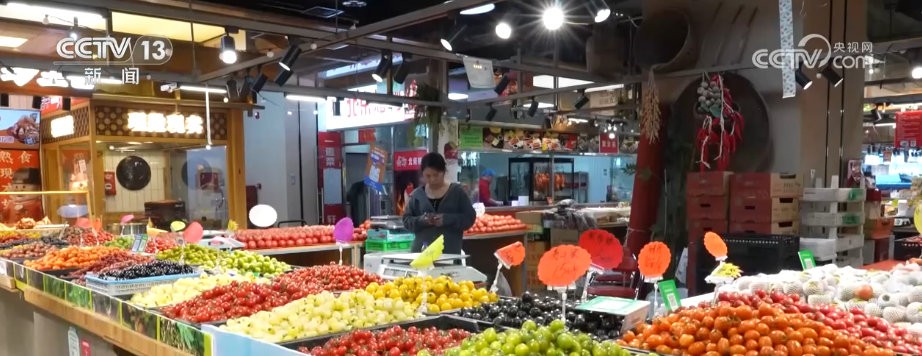
Group 1 - The core demand of consumers has shifted from merely "eating enough" and "eating well" to "eating healthily" [1] - There is a growing emphasis on the quality and freshness of vegetables, with organic labels and traceability codes becoming standard on packaging [2] - The agricultural sector is responding to the new consumer demands for fresh and healthy food by implementing advanced technologies and practices in production [3][5] Group 2 - The Ministry of Agriculture and Rural Affairs reported that during the 14th Five-Year Plan period, 36,000 new certifications for green, organic, and geographical indication products were issued, providing over 200 million tons of quality agricultural products annually [7] - Qinghai's Ulan County is a significant quinoa breeding base, benefiting from ideal natural conditions for quinoa cultivation, with over 1,000 varieties being developed [9] - The continuous breakthroughs in breeding new varieties support the development of new products in the quinoa industry, with projections indicating an annual output value exceeding 530 million yuan [11] Group 3 - The focus on whole grain foods is increasing, with research and development in quinoa, oats, and barley being prioritized to enhance nutritional health [13][15] - The agricultural processing industry is evolving, with innovations such as freeze-dried porridge and various soybean products being introduced to the market [17][19] - The diversification of food supply systems is being accelerated, with a shift towards plant-based proteins and other alternative sources to meet consumer health needs [19] Group 4 - The integration of agriculture and tourism is transforming rural areas into attractive destinations, enhancing the experience of agricultural activities [20][22] - Local initiatives, such as the production of persimmons in Zhejiang and the development of a lodging industry around lotus cultivation in Jiangsu, are driving tourism and local economies [24][25] - The Ministry of Agriculture has established 240 key leisure agriculture counties, projecting nearly 900 billion yuan in revenue from leisure agriculture and rural tourism by 2024 [31]
从实验室、生产线到千里沃野 解锁农业“新吃法”“新玩法”
Yang Shi Xin Wen Ke Hu Duan· 2025-10-27 00:21
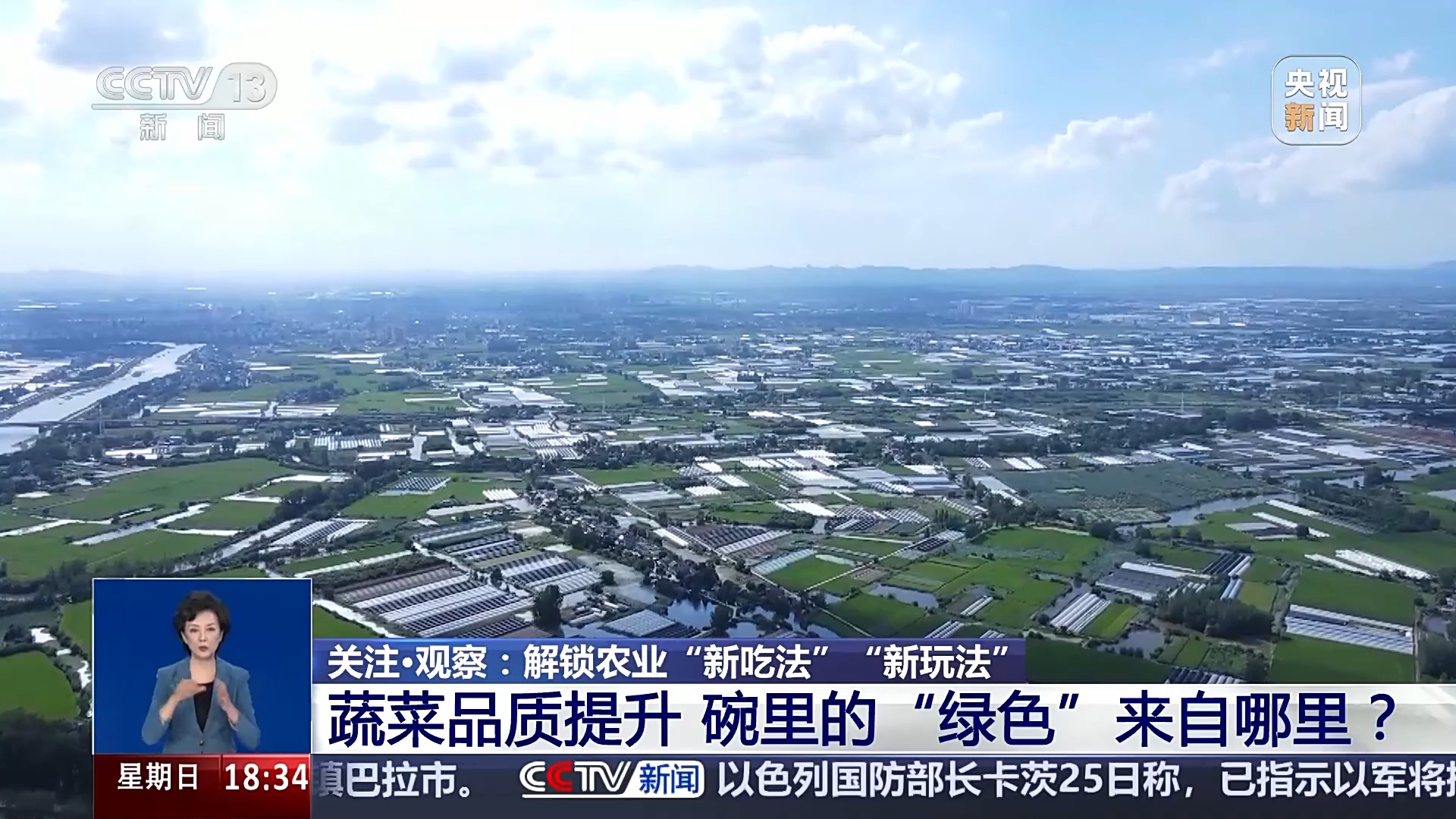
Core Insights - The demand for "healthy eating" is rising among consumers, shifting from merely "sufficient" and "good" food to a focus on "nutritional balance" and quality [1][3] - The agricultural sector is responding to these new consumer demands by enhancing the quality and freshness of vegetables through technology and innovative practices [3][5] Vegetable Quality Improvement - Consumers are increasingly pursuing high-quality vegetables, with organic labels and traceability codes becoming standard on packaging [1] - In Anhui's He County, farmers are utilizing smart devices to monitor soil and light conditions, implementing preservation technologies to enhance vegetable freshness and adjust harvest timing [3] Growth of Green and Organic Products - Anhui's He County has significantly increased its supply of green and organic products, with a total of 132 certified products as of now [5] - The Ministry of Agriculture and Rural Affairs reported that during the 14th Five-Year Plan, 36,000 new green and organic products were certified, providing over 200 million tons of quality agricultural products annually [7] Whole Grain Food Development - Quinoa is gaining popularity as a key whole grain, with significant harvests in Qinghai's Ulan County, which is a major breeding base for quinoa [8][9] - The average yield of quinoa in Shanxi's Jingle County is expected to exceed 300 kg per mu, with the entire quinoa industry projected to generate over 530 million yuan in annual output value [9] Agricultural Processing Upgrades - The agricultural processing sector is evolving, with innovations such as freeze-dried porridge and various soybean products being developed [11][12] - Heilongjiang's Wudalianchi is a key soybean production area, hosting 20 processing enterprises that leverage the region's high-quality soybean resources [12] Rural Tourism and Agricultural Integration - Rural areas are transforming into experiential destinations, blending agricultural activities with tourism, as seen in Zhejiang and Jiangsu [16][18] - The Ministry of Agriculture has established 240 key leisure agriculture counties, with the leisure agriculture sector generating nearly 900 billion yuan in revenue last year [18]
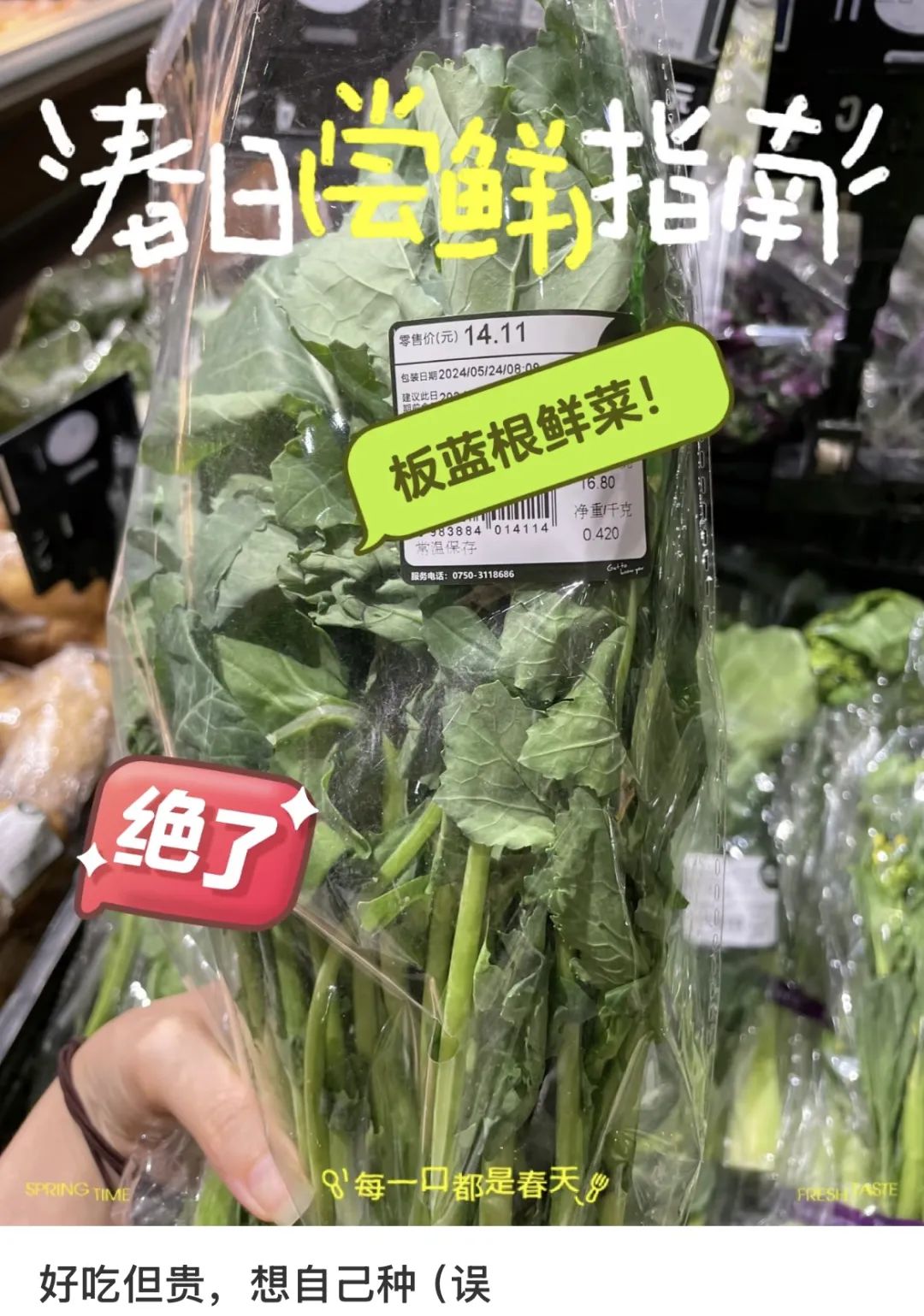
23元一斤的新奇蔬菜,快被中产抢疯了
3 6 Ke· 2025-04-22 01:51
Core Insights - The article discusses the rising popularity of a new vegetable, Banlangen (Isatis indigotica), which has become a trendy choice among middle-class consumers in China, priced at 13.8 yuan for 300g, equivalent to 23 yuan per jin [1][5]. Group 1: Product Overview - Banlangen is a hybrid vegetable developed over 17 years by Huazhong Agricultural University, combining Isatis indigotica and cabbage, initially aimed at improving disease resistance but also offering health benefits [4]. - The vegetable has been marketed as a health food, despite being primarily a vegetable, and has gained a reputation for its antiviral properties and sweet taste [4][5]. Group 2: Market Trends - The trend of middle-class consumers gravitating towards unique vegetables is evident, with Banlangen becoming the latest "top vegetable" after the previously popular kale, which saw a price increase from 0.8 yuan per jin to 20-30 yuan per jin due to its health associations [5][7]. - The article highlights the shift in consumer behavior, where vegetables are now being marketed not just for freshness but also for their health benefits, targeting urban consumers' needs [10][21]. Group 3: Health and Wellness Focus - The rise of "superfoods" like Banlangen and kale reflects a broader trend where consumers are increasingly concerned about health, nutrition, and the origins of their food, often willing to pay a premium for perceived health benefits [14][21]. - The article notes that the marketing of these vegetables plays into urban consumers' anxieties about time, environmental threats, and health, leading to a willingness to invest in higher-priced, nutrient-dense foods [18][21]. Group 4: Consumer Behavior - The article suggests that the fascination with unique vegetables is part of a larger narrative where consumers seek to enhance their health and lifestyle through food choices, often influenced by social media and marketing strategies [10][14]. - It emphasizes the importance of understanding personal health standards and making informed dietary choices rather than blindly following trends [21].