
招银理财招睿丰和(短债)14天持有期2号

Search documents
历史收益率远超近期表现!部分银行理财收益展示反差大,有何影响?
Xin Lang Cai Jing· 2025-12-18 00:19
Core Viewpoint - Some banks are displaying higher annualized returns on their wealth management products in their apps compared to the actual recent returns, leading to investor concerns about misleading information [1][7]. Group 1: Discrepancy in Returns - Many banks show annualized returns since inception that are significantly higher than the recent monthly returns, indicating a potential misrepresentation of product performance [1][7]. - For example, a product from China Construction Bank shows an annualized return of 2.28% since its inception, while its recent one-month return is only 0.75% [3][7]. Group 2: Market Conditions - The discrepancy in returns is attributed to a declining interest rate environment and poor recent performance in the bond market, which affects the underlying assets of these wealth management products [3][5]. - The annualized return for bonds has decreased significantly, with the year-to-date return at only 0.46% and a one-month return of -0.43% [11]. Group 3: Regulatory Perspective - Current regulations do not explicitly prohibit banks from showcasing higher historical returns, allowing them to prioritize displaying more favorable figures [3][9]. - The China Banking Association's guidelines emphasize the need for transparency and accurate representation of past performance to protect investors' rights [11]. Group 4: Concerns About Performance Display - There are concerns that the practice of highlighting higher historical returns may mislead investors about the stability and future performance of these products [6][12]. - Experts suggest that banks should standardize the timeframes used for performance display across similar products to avoid selective reporting [12].



历史收益率远超近期表现 部分银行理财收益展示反差大,有何影响?
Mei Ri Jing Ji Xin Wen· 2025-12-17 13:47
Core Viewpoint - Some banks are displaying higher annualized returns for their wealth management products than the actual recent returns, leading to concerns about transparency and accuracy in financial reporting [1][3]. Group 1: Discrepancy in Reported Returns - Investors have reported discrepancies between the annualized returns displayed on bank apps and the actual returns, with some banks showing significantly higher returns since the product's inception compared to recent performance [1][2]. - The discrepancy is attributed to a decline in bond market performance, which has affected the recent yields of wealth management products, while historical yields remain elevated due to previous market conditions [1][3]. Group 2: Regulatory and Compliance Issues - Current regulations do not explicitly prohibit banks from showcasing higher historical returns, which may lead to a preference for displaying more favorable figures [1][4]. - The China Banking Association's guidelines emphasize that past performance should accurately reflect the investment manager's capabilities and inform investors, but the current practices may inflate perceived product performance [4]. Group 3: Market Trends and Performance Analysis - The overall trend in fixed-income assets, which form the basis of many wealth management products, is downward, with recent yields significantly lower than historical averages [3][4]. - For instance, the annualized yield for bonds has dropped to 0.46% year-to-date, while the annualized yield over the past three years is 4.90% [3].
历史收益率远超近期表现!部分银行理财收益展示反差引热议 专家:需坚守“卖者尽责”原则
Mei Ri Jing Ji Xin Wen· 2025-12-16 13:40
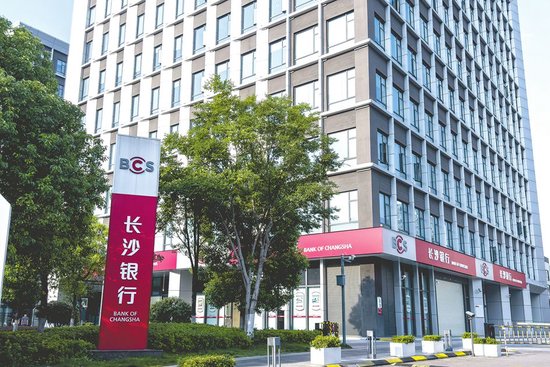
Core Viewpoint - Some banks are displaying higher annualized returns on their wealth management products than the actual recent returns, leading to investor concerns about misleading information [1][11]. Group 1: Discrepancy in Returns - Many banks show annualized returns since inception that are significantly higher than the recent monthly returns, primarily due to a decline in bond market performance and previous high yields during a favorable market period [1][11]. - For example, a product from China Construction Bank shows an annualized return of 2.28% since inception, while its recent one-month return is only 0.75% [2][12]. - Similarly, a product from Changsha Bank shows an annualized return of 4.18% since inception, with a recent one-month return of -1.20% [5][15]. Group 2: Market Conditions - The overall trend in fixed-income assets, which form the basis of bank wealth management products, is downward, leading to higher returns since inception compared to recent returns [7][17]. - The bond market has seen a significant slowdown in yield growth, with the annualized yield for bonds this year at only 0.46% and a recent one-month yield of -0.43% [8][18]. - Experts indicate that the high returns displayed since inception are normal due to the higher yields in previous years, with many products achieving over 3% returns [8][18]. Group 3: Regulatory and Ethical Considerations - The Chinese Banking Association's guidelines state that past performance should help disclose information and risks to investors, ensuring transparency and informed decision-making [9][19]. - Experts argue that while displaying higher returns since inception is not inherently wrong, it is crucial to balance this with risk disclosures and comparisons to performance benchmarks [10][20]. - There is a call for standardized timeframes for performance displays across similar products to avoid misleading investors with selective data [10][20].
