拼单

Search documents
拼单砍价停不下来?拼多多靠这招,让你忍不住跟风下单
Sou Hu Cai Jing· 2025-12-25 04:13
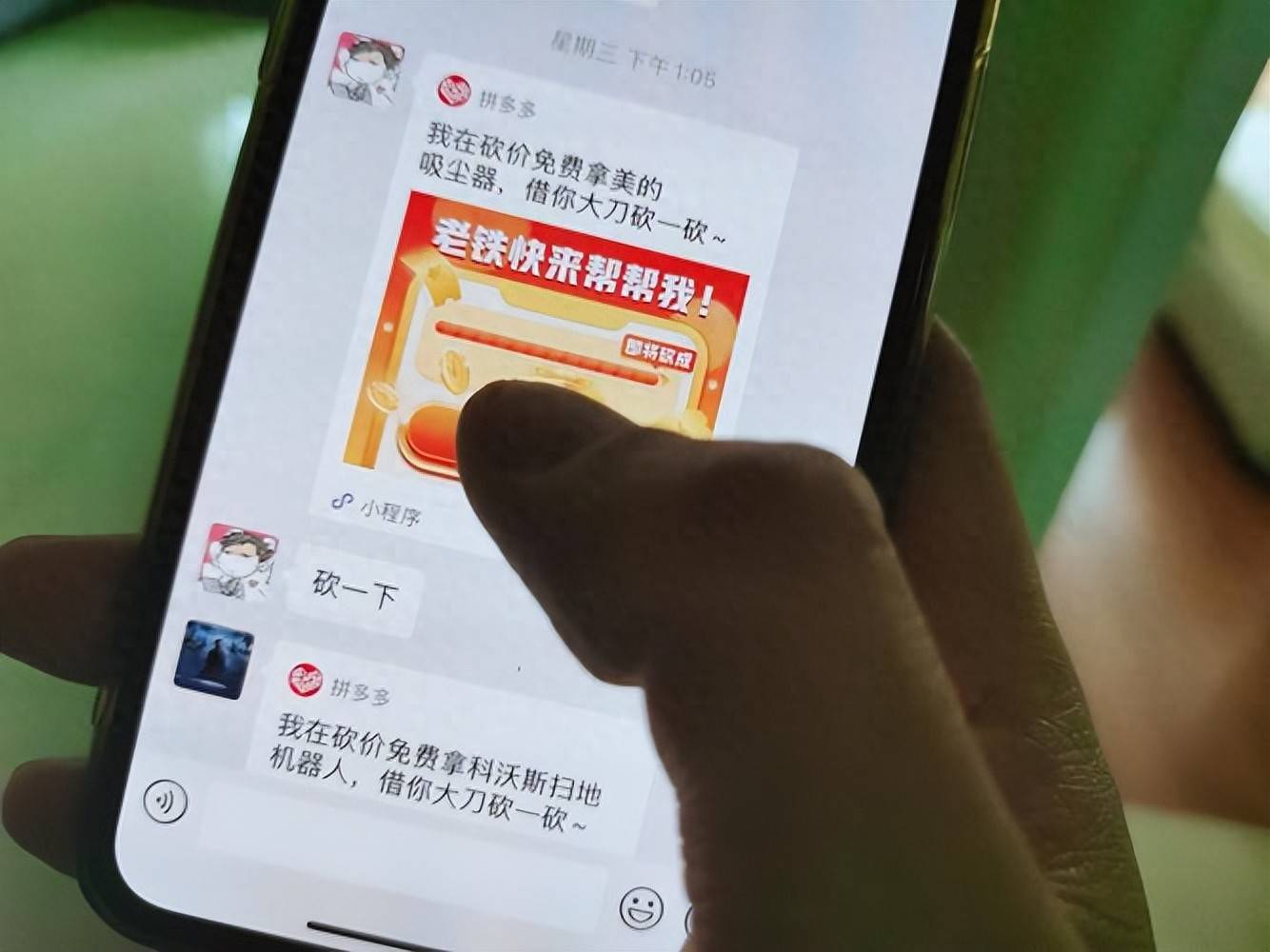
Core Insights - The article discusses how Pinduoduo dominates family group chats through social e-commerce strategies that leverage trust among acquaintances [1][3][5] - It highlights the psychological aspect of consumer behavior, where trust in familiar relationships leads to increased purchasing activity on the platform [7][10] Group 1: Social E-commerce Strategy - Pinduoduo's success is attributed to its ability to integrate social relationships with e-commerce, creating a unique customer acquisition model defined as "social e-commerce" [12] - The platform capitalizes on the trust within family and friend circles, making consumers more likely to purchase based on recommendations from known individuals rather than traditional advertising [8][10] Group 2: Consumer Behavior and Purchase Dynamics - The urgency created by notifications of group purchases and the social pressure to participate in deals leads to a collective buying behavior among users [14][16] - Pinduoduo's model allows consumers to aggregate their purchasing power, enabling the platform to negotiate lower prices with manufacturers due to large order volumes [20][22] Group 3: Business Model and Pricing Strategy - The low prices offered by Pinduoduo are not solely due to subsidies but are a result of the "C2M (Customer to Manufacturer)" model, which eliminates intermediaries and connects consumers directly with manufacturers [24] - Each consumer's participation in group buying enhances Pinduoduo's bargaining power, effectively making them a crucial part of the platform's business ecosystem [26]


新闻有观点·行业洞察丨年轻人为何爱上“拼”出来的新生活?
Yang Guang Wang· 2025-10-12 11:07
Core Insights - The rise of "拼" (sharing) reflects a shift in young people's lifestyles, indicating a trend towards efficiency and cost-effectiveness in daily activities [1][2] - The "拼 economy" is characterized by a transition from private ownership to shared consumption, promoting the development of the sharing economy [3][6] - The "拼" model has the potential to reshape consumer behavior and social interactions, emphasizing the importance of balancing shared and individual experiences [7] Group 1: Reasons for the Rise of "拼" - "拼" has permeated daily life, with common practices including carpooling and group purchases, driven by the dual considerations of efficiency and affordability [2] - Young consumers are increasingly engaging in shared services, such as group classes and community activities, which fosters strong social connections [2][3] - The behavior of "拼" is seen as a normal mode of interaction among young people, reflecting a contract-based "light social" approach [2] Group 2: Economic Implications of "拼" - The economic rationale behind "拼" lies in cost reduction, where group purchases can save money while businesses benefit from inventory clearance and increased exposure [3] - Young consumers are shifting their consumption mindset from ownership to usage, leading to more refined product and service offerings [3] - The focus on shared and social consumption indicates a change in consumer goals, prioritizing relationships over mere possession of goods [3] Group 3: Future Outlook of the "拼" Model - The "拼" model holds significant potential for optimizing resource allocation, effectively utilizing idle capacities, spaces, and time [7] - It encourages user participation in product design, fostering a new co-creation economy [7] - The "拼" phenomenon is seen as a higher-level survival skill, representing a pragmatic lifestyle philosophy and a natural evolution of consumer behavior influenced by social and technological advancements [7]