文学药丸

Search documents
文本寻根,情感共鸣:阅读文创在2026
Xin Lang Cai Jing· 2026-01-31 22:36
Core Viewpoint - The article discusses the evolution of reading-related cultural products in China, highlighting their transformation from mere accessories to independent products with aesthetic and functional value, creating new consumption and social scenarios [9][10]. Group 1: Development of Cultural Products - The implementation of the "National Reading Promotion Regulations" marks a new era for media to promote deep reading and diverse reading experiences [9]. - Cultural products are now designed to be aesthetically pleasing and functional, moving beyond being mere gifts or souvenirs [9][10]. - The trend is shifting towards using classic texts as creative sources, allowing products to embody cultural meanings and innovations [10]. Group 2: Innovative Product Examples - "You Dian Coffee" combines traditional Chinese culture with modern coffee culture, creating a "tastable culture" experience [10][11]. - The National Library's coffee products are designed to reflect the cultural significance of classic texts, with flavors and presentations linked to literary themes [11]. - The "Literary Pill" concept aims to engage readers with accessible literary excerpts, serving as an entry point to deeper reading [10]. Group 3: Immersive Experiences - Cultural products are evolving from static items to immersive experiences that encourage interaction and participation [13]. - The National Library's creative spaces offer unique local products and experiences, such as themed coffee and cultural events, enhancing community engagement [13][14]. - The trend includes personalized and shareable items that resonate with younger consumers' desires for unique cultural expressions [14]. Group 4: Emotional Resonance and Daily Integration - Cultural products are increasingly designed to resonate emotionally with consumers, reflecting their daily lives and sentiments [19]. - Items like humorous pillows and practical accessories incorporate literary quotes, allowing for emotional expression and connection [16][18]. - The focus is on avoiding homogenization in cultural products by emphasizing content, aesthetics, and the spiritual connection to literature [19].

书籍盲盒,能成为生活的“解药”吗
Zhong Guo Qing Nian Bao· 2025-11-03 02:20
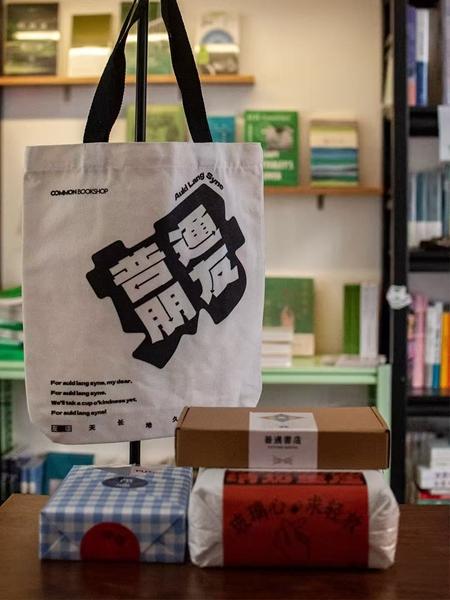
Core Insights - The rise of personalized book blind boxes, such as "non-blind boxes," reflects a shift in consumer preferences towards tailored experiences rather than random selections [1][2][4] - Bookstores are leveraging blind boxes as a strategy to enhance customer engagement and drive sales amid challenges posed by digital reading trends [5][8][10] Group 1: Market Trends - The popularity of various themed book blind boxes, including "literary bento" and "spiritual gift boxes," indicates a growing market for customized literary products [2] - Consumers are increasingly willing to pay for the emotional experience and anticipation associated with receiving a personalized book selection [1][4] Group 2: Consumer Experience - Readers express a desire for blind boxes that reflect their individual preferences and life situations, emphasizing the importance of understanding customer needs [4][10] - The interaction between readers and bookstore owners through personalized letters enhances the emotional connection and trust in the purchasing process [10][11] Group 3: Business Strategy - Bookstores are adopting blind boxes as a means to address inventory issues and stimulate sales, particularly in physical stores facing declining foot traffic [5][8][9] - The success of blind boxes is evident in sales figures, with some bookstores reporting thousands of units sold, indicating a positive reception from consumers [9][10] Group 4: Emotional and Psychological Impact - Many readers view books as a source of comfort and guidance during uncertain times, with blind boxes serving as a means to explore new ideas and perspectives [11][13] - The concept of blind boxes is seen as a way to facilitate personal growth and self-discovery through literature, resonating particularly with younger audiences [11][13]