文旅大数据

Search documents
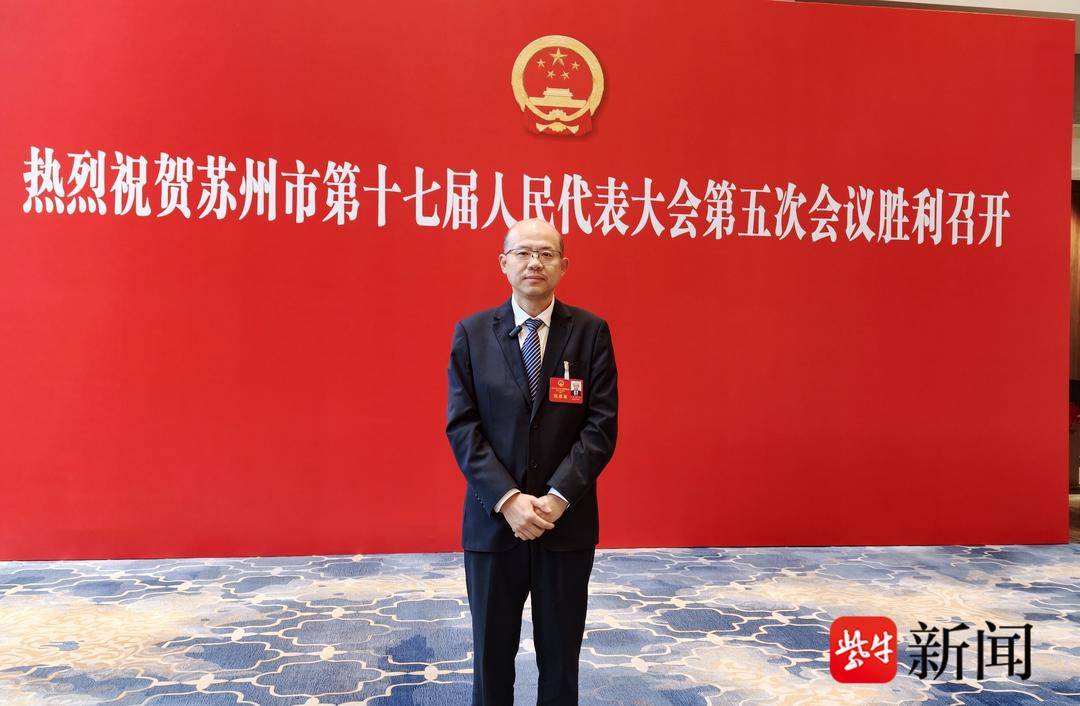
苏州市人大代表刘泓:深化职业教育与人工智能融合,赋能文旅产业高质量发展
Yang Zi Wan Bao Wang· 2026-01-23 10:49
Core Viewpoint - Suzhou is actively building a service industry "1840" system, with the cultural and tourism industry playing a crucial role in the consumption-oriented service industry. The urgent need for digital and intelligent transformation in the cultural tourism sector highlights a significant shortage of professionals who understand both cultural tourism and AI [1][3]. Group 1: Industry Development - The integration of AI technology is essential for revitalizing the charm of "Suzhou-style life" in the digital age, including Jiangnan gardens, intangible cultural heritage, and wellness tourism [3]. - The development of vocational education, particularly in cultural tourism, is recommended to supply high-quality "smart craftsmen" to the industry [1][3]. Group 2: Educational Initiatives - Vocational colleges in cultural tourism should collaborate with enterprises to offer courses in "Smart Tourism Technology" and "Digital Cultural Creation Design," incorporating new technologies like AI-guided tours and immersive experiences into the curriculum [3]. - Establishing training bases in partnership with cultural tourism enterprises and technology companies is crucial for students to learn in real-world settings, such as smart scenic areas and digital museums [3][4]. Group 3: Talent Development - There is a need to enhance the AI skills and digital content creation training for vocational college teachers, as well as to involve industry experts and cultural heritage inheritors in teaching [3][4]. - A collaborative ecosystem involving government, enterprises, and schools is necessary to improve talent cultivation and evaluation mechanisms, aiming to create a high ground for "AI + Cultural Tourism" talent development in the Yangtze River Delta [4].

中国电信:云网融合发展将分两个阶段推进 全面拥抱人工智能
Nan Fang Du Shi Bao· 2025-12-06 12:29
Group 1 - The 2025 Smart Technology Ecological Conference was held in Guangzhou with the theme "Intelligent Navigation for Mutual Benefit" [1] - China Telecom aims to accelerate the development of artificial intelligence (AI) by building a comprehensive smart cloud system that integrates computing power, platforms, data, models, and applications [1][2] - The company plans to enhance digital infrastructure, promote AI applications across various industries, and establish a robust AI security framework [1][2] Group 2 - In the past year, China Telecom completed the construction of its smart cloud system, achieving a total computing power of 85 EFLOPS [2] - The company has developed over 200 intelligent service applications and 110 industry-specific models, serving more than 20,000 industry clients [2][7] - China Telecom's quantum metropolitan network now covers 25 cities, with over 6 million users utilizing quantum secure communication [2] Group 3 - China Telecom introduced the AI + "1+1+4+N" low-altitude economic capability system, launching several platforms for low-altitude detection and governance [3] - The company has implemented a low-altitude safety and service guarantee system in cities like Tianjin, Guangzhou, and Shenzhen [3] Group 4 - The integration of AI into various sectors is reshaping production and consumption patterns, with China holding 60% of global AI patents [4] - The government aims for AI to be deeply integrated into six key areas by 2027, with a target of over 70% application penetration for new intelligent terminals and models [4] Group 5 - AI applications are enhancing consumer experiences across retail and service sectors, with numerous projects successfully implemented [5] - The "Wenxin Diaolong AI Creative Platform" was showcased, focusing on AI-driven content production [5][6] Group 6 - China Telecom has launched over 80 industry-specific models and 30 intelligent applications, serving more than 20,000 clients [7] - The company is focusing on modern industry transformation, resilient cities, and green economic transitions through intelligent applications [7][8] Group 7 - The deployment of industrial IoT intelligent applications has improved production efficiency by an average of 20% and operational response speed by 60% [8] - China Telecom's payment solutions for high-demand scenarios, such as ticket sales, ensure stable and reliable transaction processes [9]