
方盒子车

Search documents
方盒子车围城
Zhong Guo Qi Che Bao Wang· 2026-02-09 03:35
Core Viewpoint - The "boxy" SUV has gained significant popularity in recent years, reflecting a trend towards personalized automotive design, while also influencing other vehicle styles [2][25]. Market Trends - Numerous "boxy" vehicles have been launched within the first month of the new year, indicating strong market interest [5]. - A recent survey shows that over 82% of mid-to-large "boxy" vehicle users are family-oriented, highlighting a shift in consumer demographics [6]. - The market for "boxy" vehicles is expanding, with a diverse range of models available, from budget-friendly options around 100,000 yuan to high-end models exceeding 1 million yuan [25]. Consumer Preferences - Consumers are increasingly attracted to the spaciousness and visibility offered by "boxy" vehicles, which are perceived as safer and more comfortable for family use [5][6]. - Young consumers dominate the "boxy" vehicle market, driven by a desire for trendy designs and advanced technology [7]. - Female consumers are becoming a significant demographic in the "boxy" vehicle market, with manufacturers adapting designs to meet their preferences [6]. Design and Performance - "Boxy" vehicles are characterized by their rugged design and spacious interiors, making them suitable for both urban and outdoor environments [10]. - However, challenges such as high wind resistance and energy consumption remain, particularly when compared to more aerodynamic SUV designs [11]. - The structural design of "boxy" vehicles varies, with some opting for a non-load-bearing structure for enhanced off-road performance, while others use a load-bearing structure for improved comfort [12]. Technological Innovations - New energy technologies are being integrated into "boxy" vehicles to address energy consumption issues, with advancements in suspension systems improving ride comfort [15][27]. - The introduction of multi-mode driving systems allows drivers to adapt their vehicle's performance to different driving conditions, enhancing user experience [21]. Future Directions - The market for "boxy" vehicles is expected to continue evolving, with a focus on creating versatile models that cater to both urban commuting and outdoor adventures [26]. - Manufacturers are encouraged to innovate in design and interior comfort to avoid market saturation and meet diverse consumer needs [28][29].

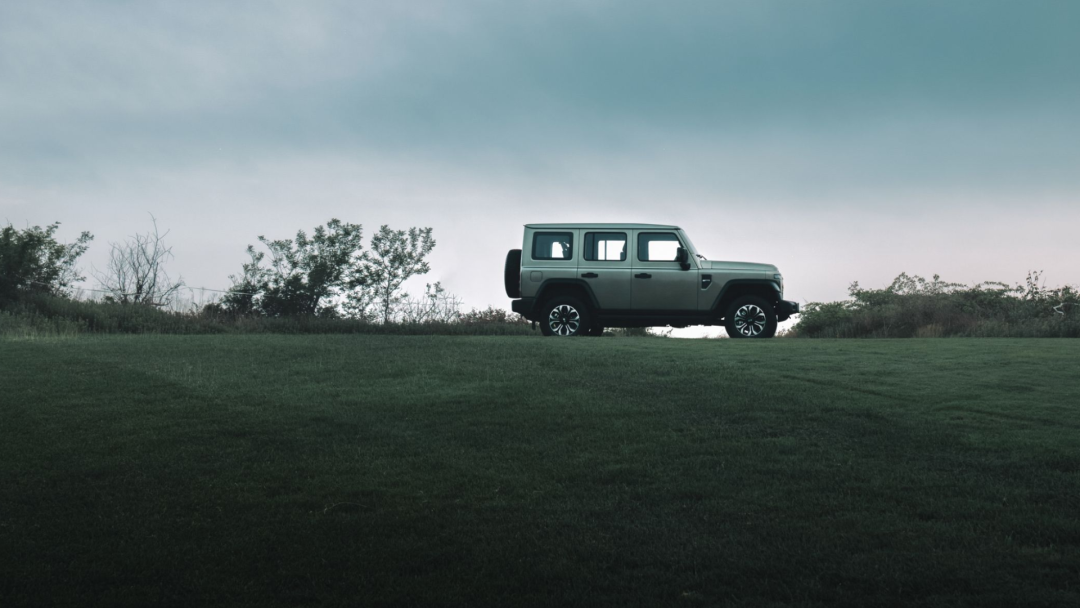
方盒子车,方兴未艾
Zhong Guo Qi Che Bao Wang· 2025-05-19 01:13
Core Insights - The rise of "boxy cars" is redefining the value logic of the SUV market, moving from niche appeal to mainstream popularity as they attract consumers with their unique design and functionality [2][3] - The shift in consumer lifestyle towards urban commuting and outdoor activities has led to the emergence of "light off-road" positioning for these vehicles, catering to both family travel and adventure needs [2][3] Market Trends - The market penetration rate of "boxy cars" is expected to grow from 2.1% in 2024 to 3.5% in 2025, with sales projected to exceed 800,000 units [4] - The trend towards "democratization" of these vehicles is evident, with models like the Jietu Traveler priced at 139,900 yuan and expected to achieve sales of over 100,000 units in 2024, representing 17.6% of the brand's total sales [3][4] Consumer Preferences - A significant 47% of consumers prioritize "unique design" when purchasing "boxy cars," surpassing the importance of brand premium (23%) and technological features (18%) [6] - The demand for "boxy cars" reflects a desire for both functionality and individuality, with consumers seeking vehicles that can perform in various scenarios while also expressing personal style [7][8] Technological Advancements - The electric wave is revitalizing "boxy cars," with models like iCAR V23 featuring an 81.76 kWh battery and a range of 501 km, serving as a "mobile power station" for outdoor activities [3][8] - Modular platforms are crucial for the production of "boxy cars," allowing for compatibility with various power systems and rapid market response, exemplified by the iCAR V23's 18-month development cycle [8] Cultural Integration - "Boxy cars" are evolving from mere transportation tools to emotional symbols, integrating cultural elements into their design, such as the 吉利银河战舰's incorporation of traditional Chinese aesthetics [7] - The trend of co-creation in vehicle customization is gaining traction, with brands offering extensive modification options that allow users to personalize their vehicles, fostering a unique community culture [7][8] Future Outlook - The competition in the "boxy car" market is shifting from product-based to ecosystem-based, emphasizing the importance of creating rich user experiences and diverse scenarios [8] - The popularity of "boxy cars" signifies a broader transition in the automotive market from functional consumption to emotional consumption, reflecting changing consumer values and technological advancements [8]
