
旅游风景道

Search documents
河北着力打造“近悦远来,主客共享”的美好生活新空间
Xin Lang Cai Jing· 2025-12-24 23:56
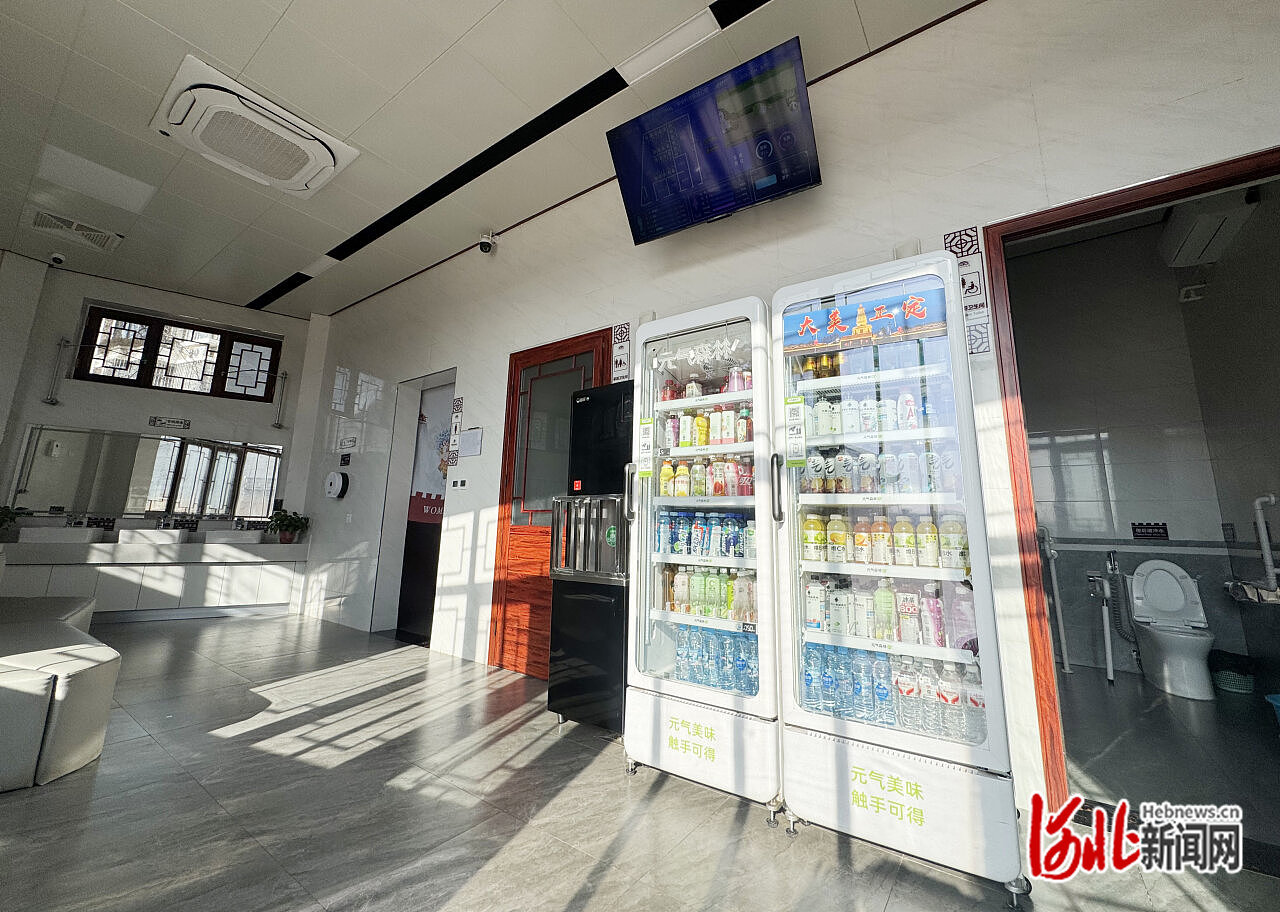
Core Viewpoint - Hebei province is focusing on enhancing tourism public services to create a new space for a beautiful life that is shared by both locals and visitors, emphasizing the importance of service quality in the tourism industry [1][3]. Group 1: Tourism Infrastructure Development - During the 14th Five-Year Plan period, Hebei is addressing shortcomings in tourism public services by improving transportation infrastructure and enhancing facilities for public convenience [3][4]. - By the end of the 14th Five-Year Plan, Hebei aims to establish 6,040 kilometers of tourism scenic roads, including notable routes like Zhangjiakou Grassland Tianlu and Chengde National Scenic Avenue [4]. - The integration of transportation and tourism is being promoted, with the development of scenic roads that enhance the travel experience and provide necessary amenities along the routes [3][5]. Group 2: Service Area Enhancements - Highway service areas are being transformed from mere rest stops into cultural and tourism destinations, with 64 service areas in Hebei adding tourism service functions [6][7]. - The first Great Wall cultural-themed service area has opened, and several service areas have been upgraded to AAA-level tourist attractions, enhancing the overall travel experience [6][7]. Group 3: Personalized Tourist Services - Hebei has established 54 self-driving RV camps, with the Huaxi Valley RV Camp being the highest-rated 5C camp in the province, catering to the growing demand for personalized travel experiences [7][8]. - The province has developed 50 tourism distribution centers and launched 166 tourist transport routes, including direct lines from Beijing to various attractions, to meet diverse tourist needs [8]. Group 4: Public Amenities Improvement - The "toilet revolution" in Hebei focuses on upgrading public restrooms to enhance visitor experience, with 1,300 new tourist toilets built during the 14th Five-Year Plan, bringing the total to 5,333 [9][10]. - Smart toilets equipped with real-time monitoring and additional amenities like baby care rooms and charging stations are being implemented to improve convenience for tourists [9][10].

快进、慢游、绿色,皖南交旅融合蹚出哪些新路?
Di Yi Cai Jing· 2025-12-08 01:09
Core Viewpoint - The completion of the "Promoting the Integration of Transportation and Tourism in Southern Anhui" pilot project has established a comprehensive transportation infrastructure network, enhancing connectivity and service quality in the region's tourism sector [1][2]. Group 1: Infrastructure Development - The "Fast Access" transportation infrastructure network has been completed, linking major tourist attractions such as Qiyun Mountain, Huangshan, Jiuhua Mountain, Tianzhushan, and Dabie Mountain through high-speed rail and highways [1][2]. - A series of roads have been constructed to improve connectivity between main roads and scenic areas, including the Jingxian to Taohuatan to Huangshan road and the Wanfo Lake tourism road [1][2]. - The "Slow Travel" transportation infrastructure network has also been developed, featuring scenic routes and various slow travel systems like greenways and cycling paths [1][2]. Group 2: Pilot Project Outcomes - The pilot project has resulted in a basic establishment of the "Fast Access and Slow Travel" transportation infrastructure network, promoting a green transportation system and enhancing tourism service quality [2][5]. - The project has demonstrated strong innovation and has significant value for replication, contributing to the development of a new model for the integration of transportation and tourism [2][5]. Group 3: Future Plans and Policies - Over the next 1-2 years, the goal is to establish tourism scenic roads and centers, ensuring access to 4A and 5A scenic spots through multiple transportation modes [5]. - The Anhui Provincial Transportation Department has introduced a series of policy documents to guide the integration of transportation and tourism, including funding support for scenic road upgrades [5][6]. - The province has categorized scenic roads into three levels (FA, FB, FC) to optimize resource allocation and responsibility [5]. Group 4: Economic Impact and Community Development - The establishment of over 120 tourism bus lines and customized routes during peak seasons has improved accessibility to tourist destinations [6]. - The integration of solar power generation along highways has contributed to sustainability, with significant reductions in carbon emissions [6]. - Local communities have benefited from tourism development, with initiatives like the "township coordination + business integration" model enhancing local economies and creating job opportunities [6][7].

万桥飞架畅通高速平原 贵州加快交旅融合布局
Jing Ji Ri Bao· 2025-10-02 22:15
Core Points - The Huajiang Gorge Bridge, which recently opened, sets world records with a bridge deck height of 625 meters and a main span length of 1420 meters, serving as a significant transportation hub and a benchmark for bridge-tourism integration in Guizhou [1] - Guizhou is developing a comprehensive tourism plan for the bridge area, aiming to integrate the bridge's impressive features with the region's natural beauty, cultural history, and ethnic diversity, creating a "world-class bridge-tourism integration new identifier" [1] - The province has made significant advancements in transportation infrastructure, with over 32,000 bridges built or under construction and highway mileage exceeding 9,000 kilometers, facilitating the growth of the local cultural tourism industry [1] Transportation and Tourism Integration - Guizhou is adopting a "transportation+" model to develop low-altitude economy, performing arts economy, and event economy, fostering new business formats in tourism integration [2] - The province is focusing on high-standard construction of integrated transportation and tourism facilities, planning a development layout that relies on major transportation hubs like Guiyang North Station and Longdongbao International Airport [2]