旱地水稻

Search documents
人走场净、骑行旅游、水稻旱作 “绿色低碳”融入生活
Yang Shi Wang· 2025-09-23 23:35
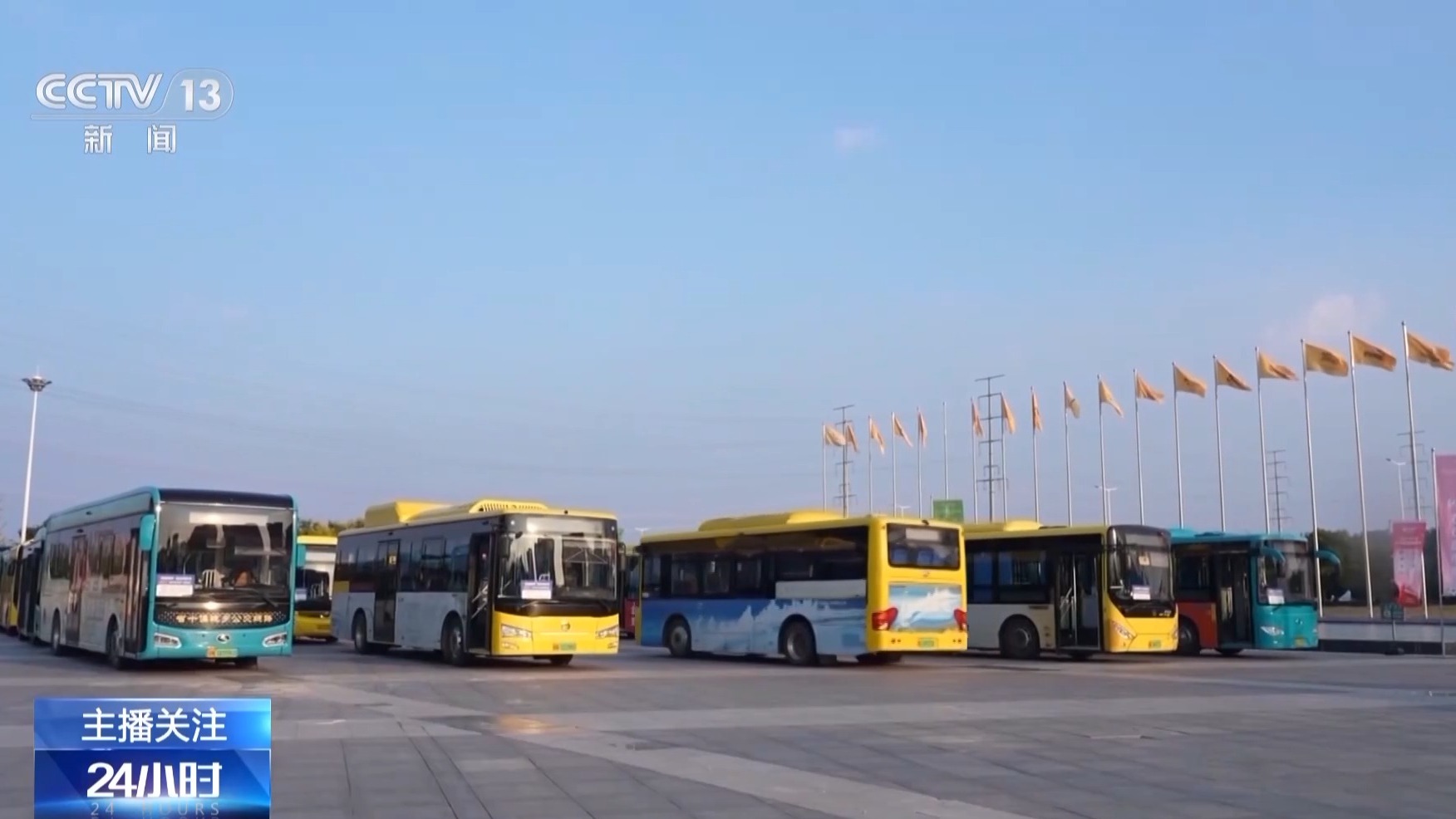
Group 1: Carbon Market and Green Initiatives - The third China Carbon Market Conference will be held on the 24th in Shanghai, highlighting the increasing integration of green and low-carbon initiatives across various sectors of daily life [1] - The concept of low-carbon has been embedded in the design of sports events, with electronic ticketing systems replacing traditional paper tickets, reducing paper consumption by over 20,000 sheets per match [6][8] - The development of a voluntary carbon market in China is expected to provide high-quality carbon credits for low-carbon and even carbon-neutral events, indicating a promising future for green sports events [8][20] Group 2: Green Innovations in Sports Events - The Jiangsu Suqian Public Transport Group deployed 80 new energy buses to facilitate transportation for the football match, emphasizing the commitment to low-carbon travel [4] - The implementation of waste classification at the venue, with 160 categorized trash bins, has led to effective waste management, ensuring that the area remains clean post-event [8] - The integration of green travel options, such as public transport and electronic ticketing, has transformed the football match into a platform for green innovation [2][6] Group 3: Low-Carbon Tourism Trends - Low-carbon tourism is gaining popularity, with travelers opting for "train + cycling" combinations to minimize their carbon footprint while enjoying nature [9] - Many accommodations are now designed with low-carbon principles in mind, utilizing eco-friendly materials and energy-saving devices [13] - The promotion of solar-powered streetlights and electric vehicles in scenic areas enhances the green travel experience, aligning with global trends towards sustainability [15] Group 4: Agricultural Innovations for Sustainability - In Yunnan, the promotion of "dryland rice" cultivation is breaking the dependency on water resources for rice farming, significantly reducing water usage and carbon emissions [16][20] - The shift to dryland rice farming can lead to a methane reduction of 60% to 90%, addressing a major source of agricultural greenhouse gas emissions [18][20] - The expansion of dryland rice cultivation from hundreds of acres to over 200,000 acres demonstrates the successful development of a full industry chain that supports both economic and ecological benefits [20]