
星舒平

Search documents
坚持对外开放,推动多领域合作共赢——着力推进全年经济工作八大重点任务④
Ren Min Ri Bao· 2026-01-08 08:33
Group 1 - The core viewpoint emphasizes the importance of expanding high-level opening-up as a key strategy for reform and development in the context of changing global dynamics and international relations [7] - China aims to enhance trade and investment liberalization and facilitation, sharing development opportunities with the world to inject positive energy into global development [7] - The focus on "institutional opening-up" is highlighted as a critical direction for expanding openness, which involves aligning with international high-standard economic and trade rules [10][11] Group 2 - In 2025, China's total import and export value reached 41.21 trillion yuan, showing a year-on-year growth of 3.6%, indicating resilience in foreign trade despite external challenges [12] - The integration of trade and investment, as well as domestic and international markets, is emphasized as a strategic move to respond to profound changes in the global economic landscape [12][13] - The development of service trade is prioritized, with a focus on innovation and growth in sectors like cloud computing and artificial intelligence to create new growth points [14] Group 3 - The "Belt and Road" initiative is highlighted as a platform for enhancing international economic cooperation, with imports and exports to participating countries reaching 21.33 trillion yuan, a 6% increase year-on-year [17] - China is actively expanding its network of high-standard free trade agreements, having signed 24 agreements with 31 countries and regions, which is crucial for advancing higher levels of opening-up [18]

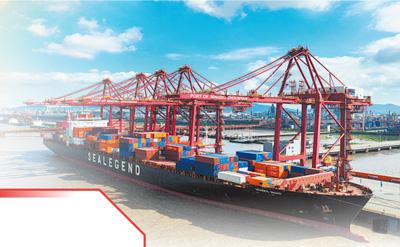
坚持对外开放,推动多领域合作共赢
Ren Min Ri Bao· 2026-01-08 02:12
Core Viewpoint - China is committed to expanding high-level opening-up to promote trade and investment liberalization, aiming to share development opportunities with the world and inject positive energy into global development [8][9]. Group 1: High-Level Opening-Up - The current global situation is rapidly changing, and China emphasizes the importance of high-level opening-up as a strategic choice to navigate these changes [8]. - Xi Jinping highlighted China's role as a major contributor to global economic growth and stability, reinforcing the commitment to high-level opening-up [8]. - The 2025 Central Economic Work Conference stressed the need to better coordinate domestic economic work with international trade struggles [8]. Group 2: Institutional Opening-Up - Institutional opening-up focuses on aligning international rules and standards, which is essential for overcoming systemic barriers and creating new competitive advantages [9]. - The establishment of Free Trade Zones (FTZs) is a key initiative for testing institutional opening-up, contributing to about 20% of China's foreign investment and trade [9]. - The Hainan Free Trade Port is highlighted as a significant platform for high-standard trade rules and efficient customs models, supporting the development of a comprehensive industrial ecosystem [10]. Group 3: Foreign Trade Quality Improvement - China's foreign trade is a crucial engine for economic growth, with a total import and export value of 41.21 trillion yuan, reflecting a 3.6% year-on-year increase [11]. - The strategy for enhancing foreign trade quality includes promoting trade-investment integration and domestic-international market integration [12][14]. - There is a focus on developing service trade, digital trade, and green trade to foster new growth drivers in foreign trade [15]. Group 4: Comprehensive Cooperation - China is expanding its openness to promote cooperation and mutual benefits, with a notable example being the "China-Laos Railway" facilitating trade with Southeast Asian countries [16]. - The first China International Import Expo showcased products from global companies, emphasizing the importance of creating a transparent and stable investment environment [17]. - The Belt and Road Initiative is seen as a collaborative effort to enhance international economic cooperation, with trade with Belt and Road countries reaching 21.33 trillion yuan, a 6% increase [18]. Group 5: Trade Agreements Expansion - China is actively working to expand its network of high-standard free trade agreements, having signed 24 agreements with 31 countries and regions [19]. - The focus is on leveraging multilateral platforms to accelerate the signing of regional and bilateral trade agreements, enhancing economic partnerships [19].

坚持对外开放,推动多领域合作共赢——着力推进全年经济工作八大重点任务④(稳中求进、提质增效 实现“十五五”良好开局)
Ren Min Ri Bao· 2026-01-08 02:07
Core Viewpoint - China is committed to expanding high-level opening-up to promote trade and investment liberalization, aiming to share development opportunities with the world and inject positive energy into global development [8][10]. Group 1: High-Level Opening-Up - The central economic work meeting emphasizes the importance of better coordinating domestic economic work and international economic and trade struggles [8]. - Xi Jinping highlighted China's role as a major contributor to global economic growth and stability, reinforcing the commitment to high-level opening-up [8]. - By 2026, the international economic and trade landscape will undergo significant restructuring, necessitating a rational and dialectical analysis of the complex external environment [8]. Group 2: Institutional Opening-Up - Institutional opening-up focuses on aligning international rules, regulations, management, and standards, which is crucial for overcoming systemic barriers and creating new competitive advantages [10]. - The establishment of free trade pilot zones and free trade ports serves as key platforms for testing institutional opening-up initiatives [10]. - The Hainan Free Trade Port, launched in December 2025, is positioned as a significant gateway for high-level opening-up, providing a stable and efficient platform for cooperation [10][11]. Group 3: Foreign Trade Quality Improvement - In the first 11 months of 2025, China's total goods trade reached 41.21 trillion yuan, with a year-on-year growth of 3.6% [12]. - The central economic work meeting outlined strategies for promoting integrated development of trade and investment, as well as domestic and international markets [12]. - Emphasis is placed on enhancing service trade, digital trade, and green trade to cultivate new growth drivers in foreign trade [13][14]. Group 4: Comprehensive Cooperation - In November 2025, a special train carrying photovoltaic glass boards from Jiangsu to Laos demonstrated the efficiency of rail transport, reducing transit time by nearly half compared to traditional sea transport [15]. - China aims to expand its opening-up to promote cooperation and win-win outcomes across broader fields and deeper levels [15]. - The first China International Import Expo showcased innovative products, highlighting the importance of creating a transparent and stable environment for foreign investment [16]. Group 5: Belt and Road Initiative - In the first 11 months of 2025, China's trade with Belt and Road countries reached 21.33 trillion yuan, reflecting a year-on-year increase of 6% [17]. - Strengthening strategic alignment and enhancing infrastructure connectivity are essential for optimizing international economic cooperation [17]. - The focus is on signing more regional and bilateral trade and investment agreements to expand new spaces for win-win development [18].
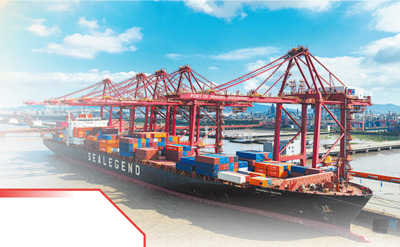
坚持对外开放,推动多领域合作共赢(稳中求进、提质增效 实现“十五五”良好开局)
Ren Min Ri Bao· 2026-01-08 01:21
Group 1: Economic Strategy and International Trade - The core viewpoint emphasizes the importance of expanding high-level opening-up as a key strategy for reform and development in the context of changing global dynamics [1] - China aims to better coordinate domestic economic work with international trade struggles, highlighting the need for a strategic approach to external challenges [1] - The central economic work meeting has set a clear direction for promoting trade and investment integration, as well as the integration of domestic and international markets [5][6] Group 2: Institutional Opening and Free Trade Zones - Institutional opening is identified as a critical direction for expanding openness, focusing on aligning international rules and standards [2][3] - The establishment of free trade zones and ports serves as a testing ground for institutional opening, contributing significantly to foreign investment and trade [3] - The Hainan Free Trade Port is highlighted as a key platform for high-standard trade rules and efficient customs models, enhancing China's institutional opening efforts [3][4] Group 3: Foreign Trade Quality Improvement - China's foreign trade has shown resilience, with a total import and export value of 41.21 trillion yuan, reflecting a year-on-year growth of 3.6% in the first eleven months of 2025 [5] - The focus is on promoting service trade, digital trade, and green trade to cultivate new growth drivers in foreign trade [9] - The integration of trade and investment is emphasized as a strategic response to global economic changes, fostering a virtuous cycle of investment and trade [7] Group 4: Belt and Road Initiative and International Cooperation - The Belt and Road Initiative is framed as a collaborative effort, with trade volume with participating countries reaching 21.33 trillion yuan, a 6% increase year-on-year [12] - Strengthening strategic connections and infrastructure links with Belt and Road countries is essential for expanding international economic cooperation [12] - The initiative aims to enhance mutual trust and benefit among participating nations, promoting a comprehensive and interconnected network [12] Group 5: Trade Agreements and Market Expansion - China is actively expanding its network of high-standard free trade agreements, having signed 24 agreements with 31 countries and regions [13] - The focus is on leveraging multilateral platforms to accelerate the signing of regional and bilateral trade investment agreements [13] - The goal is to implement zero-tariff measures for 100% of products for 53 African countries, showcasing a flexible approach to trade agreements [13]
坚持对外开放,推动多领域合作共赢(稳中求进、提质增效 实现“十五五”良好开局) ——着力推进全年经济工作八大重点任务④
Ren Min Ri Bao· 2026-01-07 22:27
Group 1: Core Views - Expanding high-level opening-up is a crucial strategy for promoting reform and development in the context of changing international dynamics [1] - China aims to enhance trade and investment liberalization and facilitation, sharing development opportunities with the world [1] - The focus on high-level opening-up is essential for navigating uncertainties in international competition [1] Group 2: Institutional Opening - Institutional opening is identified as a key direction for expanding openness, emphasizing alignment with international rules and standards [2] - This approach aims to address deep-seated institutional barriers and create new competitive advantages [2] Group 3: Free Trade Zones and Ports - Free trade zones and ports serve as critical platforms for institutional opening, with significant contributions to foreign investment and trade [3] - The Hainan Free Trade Port is highlighted as a model for high-standard trade rules and efficient customs practices [3] Group 4: Foreign Trade Quality Improvement - Foreign trade is recognized as a vital engine for economic growth, with a total import and export value of 41.21 trillion yuan, reflecting a 3.6% year-on-year increase [5] - The strategy for enhancing foreign trade quality includes promoting trade-investment integration and domestic-international market integration [5][8] Group 5: Service Trade Development - The development of service trade is emphasized, with a focus on increasing its share in total foreign trade, which currently lags behind the global average [8] - Support for cities in eastern and central-western regions to develop high-end service outsourcing is part of the strategy to foster new growth points [8] Group 6: Belt and Road Initiative - Trade with Belt and Road countries reached 21.33 trillion yuan, marking a 6% increase, indicating the importance of this initiative for expanding international economic cooperation [11] - Strengthening strategic connections and infrastructure links with Belt and Road countries is essential for optimizing international trade strategies [11] Group 7: Trade Agreements - Expanding a high-standard free trade zone network is a key measure for advancing higher levels of opening-up [13] - China has signed 24 free trade agreements with 31 countries and regions, aiming to accelerate the process of regional and bilateral trade agreements [13]
赛诺菲(SNY.US)宣布第二代心肌肌球蛋白抑制剂在华获批上市
智通财经网· 2025-12-17 13:16
Core Viewpoint - Sanofi (SNY.US) announced the approval of Aficamten (Chinese trade name: 星舒平), a second-generation cardiac myosin inhibitor, by the National Medical Products Administration for the treatment of adults with obstructive hypertrophic cardiomyopathy (HCM) classified as NYHA functional class II-III, aimed at improving exercise capacity and symptoms [1] Group 1 - Aficamten is a small molecule cardiac myosin inhibitor developed by Cytokinetics, designed to improve the therapeutic index and pharmacokinetic characteristics through comprehensive chemical optimization [1] - The drug reduces the number of active myosin cross-bridges per heartbeat, thereby inhibiting excessive myocardial contraction associated with hypertrophic cardiomyopathy [1] - Aficamten has a short half-life of only 3-4 days and can reach optimal dosing within 8 weeks [1] Group 2 - In 2020, Cytokinetics granted an exclusive license to Jiseng Pharmaceutical for the development and commercialization of Aficamten in the Greater China region [1] - In 2024, Sanofi will acquire the exclusive development and commercialization rights for Aficamten in Greater China from Jiseng Pharmaceutical [1] - Aficamten is considered a potential "best-in-class" treatment in the field of hypertrophic cardiomyopathy, and its approval marks the "global first launch" of this innovative drug in China, ahead of approvals in the US and EU [1]
