
春节暖心短托服务

Search documents
【申万宏源研究春节见闻】在沪过年,看服务消费的潜力与未来
Xin Lang Cai Jing· 2026-02-22 04:49
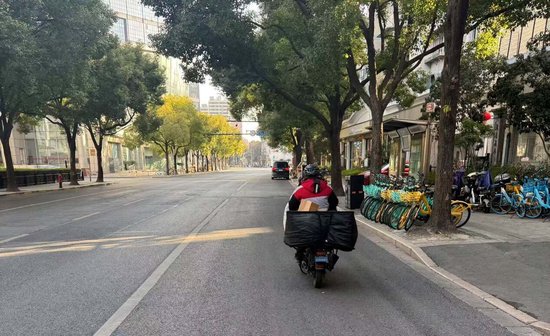
Core Viewpoint - The article emphasizes the significant shift towards service consumption in China, driven by technological advancements and changing consumer preferences, particularly during the Spring Festival period [1][17]. Group 1: Service Consumption Trends - There is a growing demand for service consumption that provides emotional value and deep interpersonal connections, which is seen as a key driver for future economic growth and employment absorption [17]. - The logistics sector demonstrated resilience during the Spring Festival, with express delivery services maintaining operations and adjusting prices to reflect demand, thereby ensuring income for frontline workers [18][20]. - The increase in service consumption is linked to a positive economic cycle, where higher demand leads to increased income for service providers, which in turn boosts consumer spending capacity [20][5]. Group 2: Experiential Consumption in Physical Retail - Physical retail spaces are evolving from mere shopping venues to hubs for experience and social interaction, reflecting a shift in consumer behavior towards experiential consumption [21][22]. - During the Spring Festival, various cultural and interactive activities in commercial districts attracted consumers, enhancing their overall experience and increasing spending [21][22]. Group 3: Macro Data Supporting Service Consumption - Macro data indicates a robust growth in travel and cultural consumption, with Shanghai receiving 2.56 million visitors on the first day of the Spring Festival, a 38.97% increase year-on-year, highlighting a shift from traditional goods consumption to service-oriented spending [24]. - This trend signifies a structural transformation in consumer behavior, where service consumption is becoming a necessity rather than an option [24]. Group 4: Future of Service Consumption - The future of service consumption is expected to be multifaceted, driven by technological innovations and demographic changes, which will create new service demands and opportunities [26][28]. - Innovations like generative AI tools are anticipated to democratize content creation, fostering a vibrant cultural service sector and personalized digital consumption [26][28]. - The aging population is prompting institutional innovations in service delivery, such as short-term care services, addressing the growing demand for elder care and creating new job opportunities that are less susceptible to automation [28].


上海近400家养老机构推“春节暖心短托”服务
Jie Fang Ri Bao· 2026-02-13 01:27
Group 1 - The core idea of the news is the launch of the "Spring Festival Warm Short-term Care" service project by the municipal civil affairs bureau to address the issue of elderly care during the holiday season when domestic workers return home [1][4] - Nearly 400 elderly care institutions and community care homes have been selected to participate in this initiative, providing affordable and reliable short-term care options for families [1][4] - The short-term care service includes comprehensive support such as daily living assistance, nutritional meal planning, professional rehabilitation care, health monitoring, and various recreational activities [2][4] Group 2 - The service has been well-received, with many elderly individuals experiencing a positive change in their perception of nursing homes, leading to a higher rate of long-term admissions after short-term stays [4][5] - The initiative aims to not only meet the short-term care needs during specific holidays but also to establish a reliable option within the family care support system [5] - In the previous year, 251 elderly individuals utilized the short-term care service, with 154 choosing to transition to long-term care after their experience, indicating a successful pilot program [5]