智惠赔

Search documents
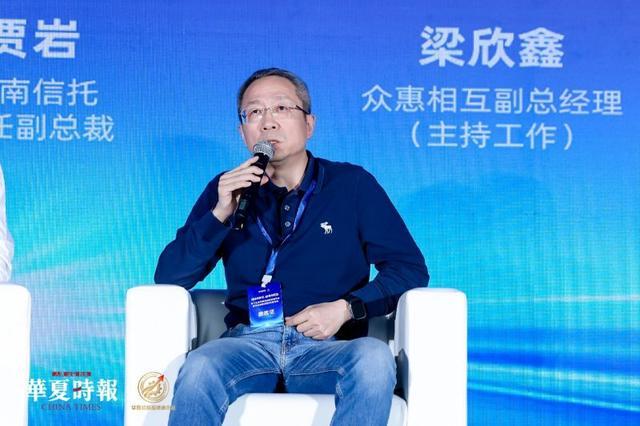
相互保险差异化普惠路径!众惠相互梁欣鑫:科技赋能+互助基因
Huan Qiu Wang· 2025-12-15 09:28
Core Viewpoint - The event highlighted the role of financial technology in enhancing the quality of insurance services, particularly in mutual insurance, by providing innovative solutions and improving operational efficiency [1][2]. Group 1: Technological Impact on Mutual Insurance - Technology is injecting new momentum into mutual insurance, enabling a shift from "post-event compensation" to "pre-event intervention" through products like "Hui Gan Bao" [1]. - The mutual insurance model is characterized by "mutual assistance," which aligns well with internet community concepts, enhancing member connectivity and operational optimization [1][3]. Group 2: Governance and Community Building - The governance mechanism of "co-construction, co-governance, and sharing" allows technology to create differentiated value in mutual insurance compared to traditional models [2]. - Technology aids in accurately aggregating groups with similar risk characteristics, enhancing trust and transparency through blockchain and other technologies [2]. Group 3: Service Expansion and Member Engagement - The company has launched over 10 mutual assistance projects, covering more than 2 million individuals, including various demographic groups such as those with chronic illnesses, new citizens, and the elderly [3]. - A smart customer service solution has been developed to enhance consumer experience, featuring an integrated risk control platform and AI-driven services, establishing a new standard for "24/7, zero wait" service [3].
众惠相互副总经理梁欣鑫:科技为相互保险插上普惠翅膀|2025华夏机构投资者年会
Hua Xia Shi Bao· 2025-12-12 13:16
Core Viewpoint - The 19th Huaxia Institutional Investor Annual Conference and Huaxia Financial (Insurance) Technology Forum was successfully held in Beijing, focusing on the theme of "Vitality and Resilience, Innovation and Empowerment" to explore future paths in response to contemporary challenges [2]. Group 1: Financial Technology in Insurance - Liang Xinxin, Deputy General Manager of Zhonghui Mutual Insurance, emphasized that technology is injecting new momentum into mutual insurance, transforming from "post-event compensation" to "pre-event intervention" through innovative products like "Hui Gan Bao" [2][5]. - The mutual insurance model is based on "mutual assistance," where similar risk groups share risks and benefits, aligning well with internet community concepts [3]. - Technology serves as a "community operator," enhancing member connection and operational optimization, while also improving trust and transparency through precise identification of risk groups and blockchain technology [3][4]. Group 2: Risk Management and Resilience - The company utilizes real-time data monitoring and risk warning systems to dynamically respond to risks, thereby enhancing resilience against potential threats [4]. - A dual system of "emotional support + substantial protection" is established through comprehensive health management services and interactive platforms [4]. Group 3: Expanding Insurance Services - Technology has redefined operational models and expanded the inclusive boundaries of insurance services, allowing for efficient coverage of segmented populations [5]. - Zhonghui Mutual Insurance has launched over 10 member mutual assistance projects, serving more than 2 million individuals across various demographics, including those with chronic illnesses and the elderly [5]. - The "Hui Gan Bao" product has been included in national research projects and pilot programs, demonstrating its innovative approach to health management [5]. Group 4: Member Services and Customer Experience - The company has upgraded its customer service solutions through technology, achieving a 97% online reporting rate and a 99% case closure rate within one day, showcasing high efficiency in claims processing [6]. - The "Smart + Mutual Assistance" dual-driven model has proven effective in enhancing innovation in protection services [6]. - The ultimate goal of financial technology is to serve public welfare, allowing members to participate in product optimization through feedback and governance mechanisms, fostering a "co-construction, co-governance, and sharing" ecosystem [6].