智能哑铃

Search documents
科技元素加持,春节更具“智”感
Xin Lang Cai Jing· 2026-02-22 23:06
Group 1 - The core viewpoint of the articles highlights the growing trend of "green and intelligent" consumption among residents, driven by the acceleration of artificial intelligence technology, the deepening of green consumption concepts, and the optimization of "trade-in" policies [1][2]. - The sales of smart home appliances have significantly increased, with consumers focusing more on AI interaction and multi-device collaboration, making them a highlight in the New Year goods market [1]. - The demand for smart fitness equipment, such as AI sports screens and smart dumbbells, has risen, providing convenience and personalized training experiences for consumers [2]. Group 2 - The smart home industry is identified as a key area for consumption upgrade, with a projected global penetration rate of over 40% for smart appliances by 2025, and China contributing 60% of the production capacity [2]. - The market for whole-home smart systems is expected to reach 280 billion yuan by 2026, indicating significant growth potential in the sector [2]. - The shift from focusing on products to emphasizing scenario services is expected to drive market growth, with whole-home smart systems and AI services becoming crucial engines for the appliance market [3].
智能健身设备+虚拟体育赛事 科技赋能全民健身
Yang Shi Xin Wen· 2025-05-09 04:48
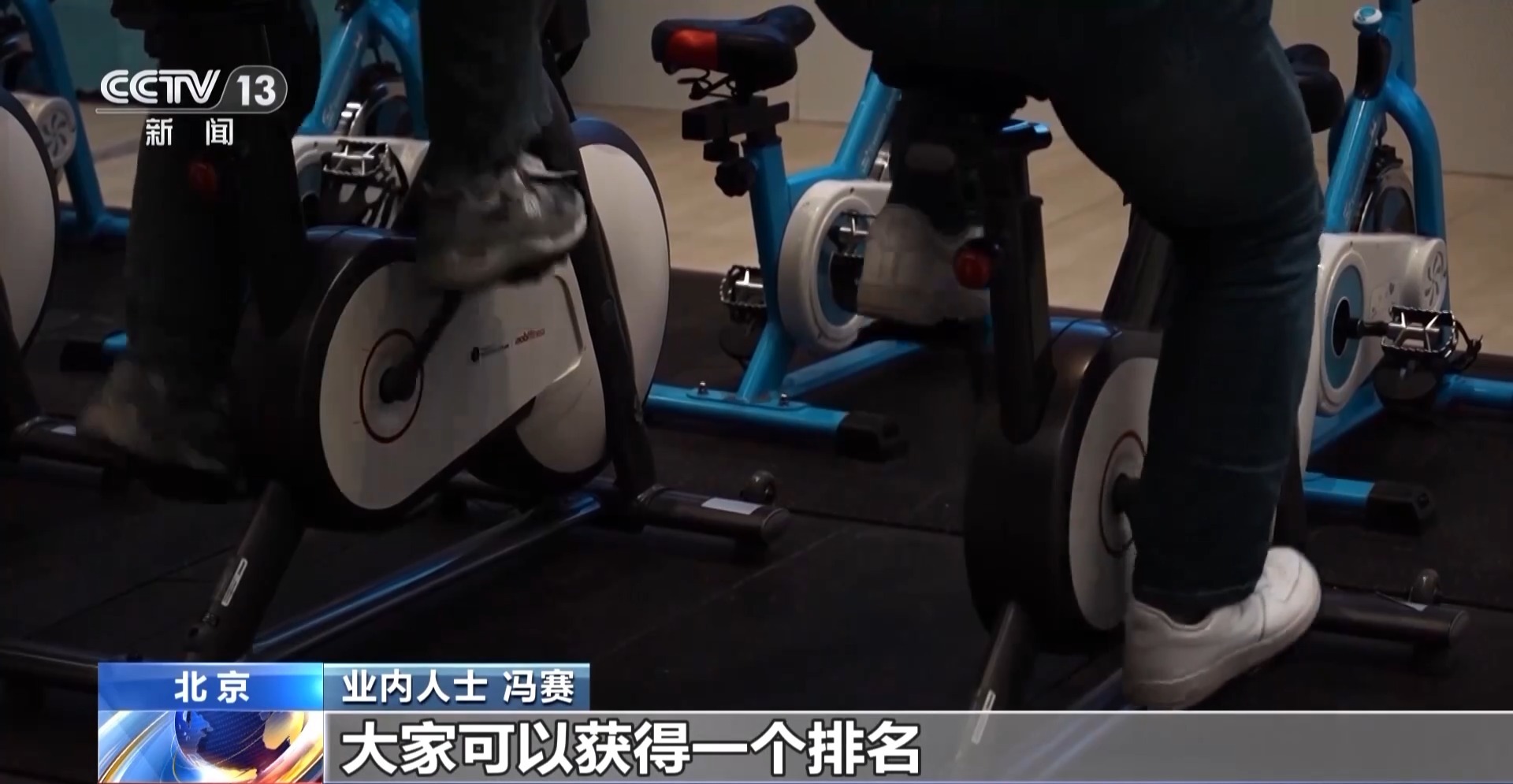
Core Viewpoint - The article discusses the promotion of health consumption through a joint initiative by various government departments, focusing on the integration of technology in fitness and the rise of smart fitness equipment. Group 1: Government Initiatives - The Ministry of Commerce and the National Health Commission, along with 12 other departments, have issued a plan to promote health consumption, emphasizing the enhancement of fitness consumption scenarios and the transformation of the sports equipment manufacturing industry [1]. - The plan aims to leverage technology and smart applications to enrich consumer experiences in fitness [1]. Group 2: Smart Fitness Equipment - Popular smart fitness equipment includes dynamic bicycles and rowing machines equipped with QR codes and sensors, differentiating them from traditional equipment [1]. - Portable smart devices like smart dumbbells and smart jump ropes are emerging as new hotspots in health consumption, making fitness activities more intelligent, home-friendly, and engaging [12][18]. - Smart fitness devices can accurately record workout details and connect to applications offering a variety of fitness courses tailored to individual needs [13]. Group 3: Virtual Sports and Competitions - The integration of smart fitness devices with virtual sports systems allows users to participate in competitions by scanning QR codes, creating new consumer scenarios [5]. - The virtual sports system can accommodate thousands of athletes nationwide, with popular activities including rowing, cycling, archery, mountaineering, and skiing [9]. - The concept of "digital fitness" is evolving, with a focus on making fitness more interactive and enjoyable, encouraging longer usage [20]. Group 4: Industry Insights - Industry experts highlight the potential of sports competitions as a new form of consumer engagement, with discussions of amounts in the millions for related initiatives [7]. - The development of smart fitness products is seen as a significant trend, with an emphasis on data collection and analysis to enhance user experience [20].

雷军健身,乐刻慌了
36氪· 2025-03-05 00:09
Core Viewpoint - Lei Jun's fitness activities and social media presence serve as a strategic endorsement for Xiaomi, indicating the company's potential entry into the fitness industry and the impact on traditional gyms [3][10]. Investment in Fitness Sector - Xiaomi has invested approximately 15% in "AIDONG SPORT" (also known as "LeYuan Network Technology"), which offers an app for fitness course reservations and utilizes big data and AI for user fitness analysis [5][11]. - The fitness group classes are a key offering of "AIDONG SPORT," similar to the successful model of "LeKe Fitness," which has opened 1,700 locations across China [7][11]. Market Dynamics - The fitness content market in China is projected to grow from 2.985 billion to 10.475 billion yuan between 2022 and 2027, highlighting the increasing demand for fitness services [11]. - Traditional gyms like "Yijia Weide" and "Weier Shi" are facing decline, indicating a shift in consumer preferences towards more innovative fitness solutions [11][12]. Competitive Advantage - Xiaomi's brand influence and cost advantages in the fitness equipment supply chain position it well to disrupt the fitness industry [13]. - The integration of smart fitness devices with Xiaomi's ecosystem allows for seamless user experience and data tracking, enhancing customer engagement [8][10].