智能网联汽车自动驾驶系统

Search documents
【行业政策】一周要闻回顾(2026年2月9日-2月22日)
乘联分会· 2026-02-24 08:35
Core Viewpoint - The article discusses the solicitation of opinions on the national standardization guidance technical document for solid electrolytes used in solid-state batteries for electric vehicles, highlighting the importance of establishing performance requirements and testing methods for solid electrolytes in the context of the rapid development of solid-state battery technology [2][3][4][5]. Group 1: Solid-State Battery Standards - The draft document for the technical specification of solid electrolytes for electric vehicle solid-state batteries has been prepared and is open for public comments until March 10, 2026 [3]. - The main content of the draft includes five chapters covering scope, normative references, terms and definitions, testing conditions, and requirements, along with six normative appendices detailing various measurement methods [3][4]. - The document aims to standardize key performance indicators such as ionic conductivity, electronic conductivity, electrochemical stability window, air stability, and moisture content, which are critical for the performance of solid-state batteries [4][5]. Group 2: Industry Context and Benefits - The establishment of a technical specification for solid electrolytes is crucial as there is currently no universal technical standard for the performance requirements and testing methods of solid electrolytes in electric vehicle solid-state batteries in China [5]. - The anticipated benefits of developing these standards include creating a common understanding in the field, promoting the standardization of technology research and industrialization processes, and fostering a healthy industry ecosystem [5]. - The implementation of these standards is expected to enhance product quality, reduce accident costs, and achieve economies of scale, ultimately benefiting the industry and society as a whole [16]. Group 3: Related Regulatory Developments - The article also mentions the publication of the "Automotive Industry Price Behavior Compliance Guidelines," which aims to clarify pricing behavior norms and encourage self-regulation within the industry [8][9]. - Additionally, there is an ongoing solicitation for opinions on five mandatory national standards related to intelligent connected vehicles, including safety requirements for autonomous driving systems, which reflects the industry's focus on safety and compliance [13][14].

工信部就自动驾驶安全标准征求意见,现存相关企业超9100余家
Zhong Guo Neng Yuan Wang· 2026-02-24 02:23
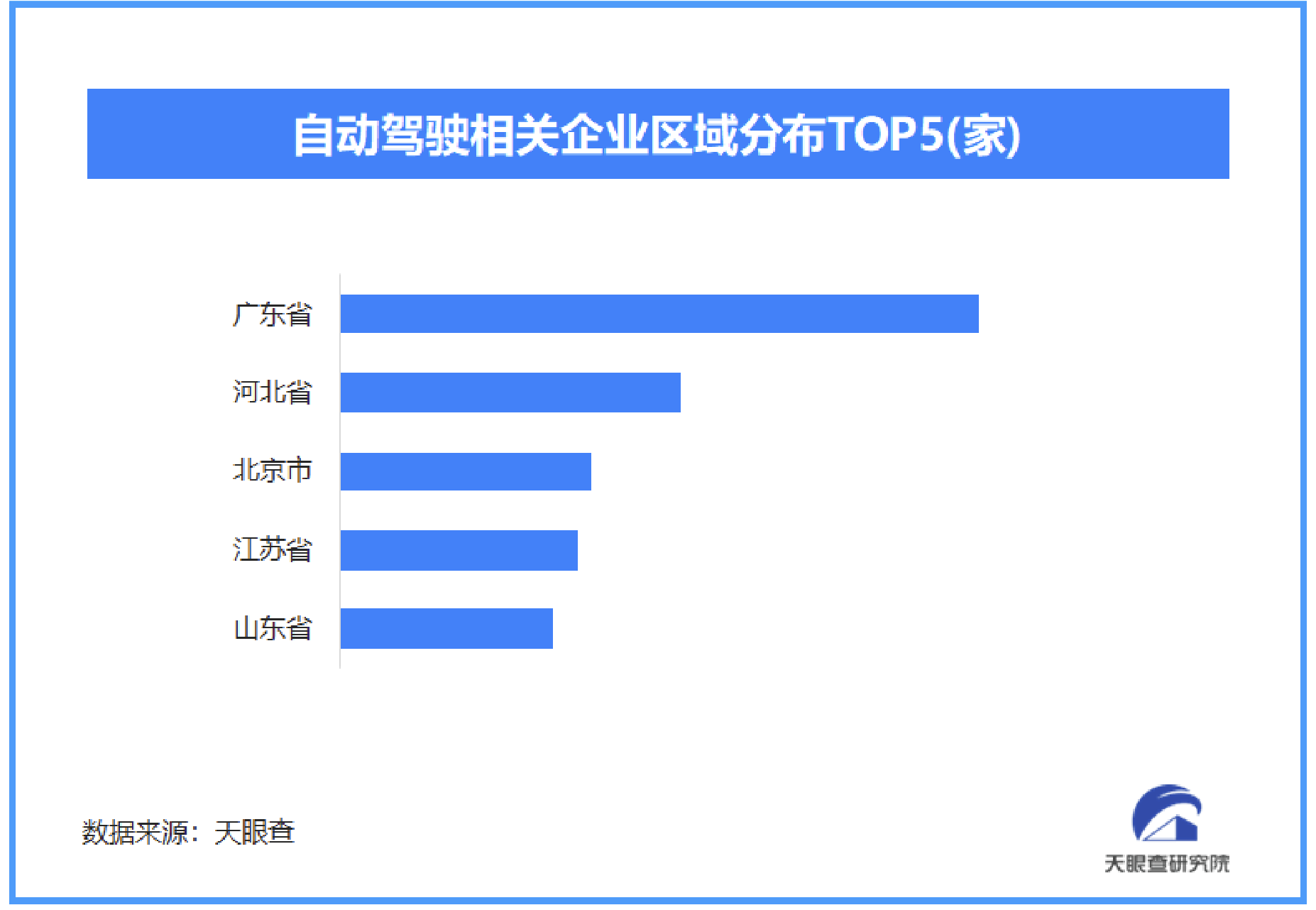
Core Viewpoint - The Ministry of Industry and Information Technology has solicited public opinions on five mandatory national standards, including "Safety Requirements for Autonomous Driving Systems in Intelligent Connected Vehicles," which has garnered significant attention [1] Group 1: Standards and Regulations - The standards provide comprehensive regulations for autonomous driving systems, including technical and safety requirements, as well as methods for verification and testing [1] - The standards detail requirements for type determination, safety documentation inspection, and confirmation testing, ensuring thoroughness and precision [1] Group 2: Industry Impact - The establishment of these standards is significant for enhancing the safety and reliability of autonomous driving systems, thereby mitigating safety risks and protecting passenger safety [1] - The standards are expected to promote innovation in autonomous driving technology and facilitate industry upgrades, creating a favorable environment for the development of China's intelligent connected vehicle industry [1] Group 3: Market Landscape - As of now, there are over 9,100 existing and operational companies related to autonomous driving in China [1] - Guangdong and Hebei provinces lead in the number of autonomous driving-related companies, with over 1,400 and 780 companies respectively, followed by Beijing, Jiangsu, and Shandong provinces [1]