智能网联汽车

Search documents
【快讯】每日快讯(2026年3月30日)
乘联分会· 2026-03-30 08:43
Domestic News - A series of group standards for intelligent connected vehicles have been released, including 12 standards that fill gaps in collaborative driving testing and complex road decision-making [3] - Beijing has initiated the development and application of commercial insurance products for intelligent connected new energy vehicles, providing risk coverage for specific intelligent driving scenarios and hardware losses [4] - Geely has launched the "Cornerstone Plan - Chain Star Project" and a 1 billion yuan supply chain emergency reserve fund plan to support small and medium-sized suppliers in technology investment and cash flow needs [5] - Changan Automobile has obtained a self-developed L4-level Robotaxi testing license in Chongqing, enhancing its presence in the autonomous taxi sector with advanced technology [6] - Tesla has established 55 supercharging stations in Chongqing, covering 10 national highways, with a high availability rate of 99.95% and efficient charging capabilities [7] - GAC has commenced production of the AION UT at Magna's factory in Austria, marking a deepening of their localized production cooperation in Europe [8] - NIO has opened its first center in Costa Rica, marking its entry into the Latin American market with a multi-brand store [9] - In the first two months of this year, the Horgos port exported 54,000 vehicles, a year-on-year increase of 13.9%, with new energy vehicles being particularly popular in Central Asia and Russia [10] International News - The EU and Australia have reached a trade agreement that will eliminate a 5% import tariff on EU cars, enhancing the competitive position of German car manufacturers [11] - Tesla plans to double the number of its service centers in Japan to over 30, aiming to improve customer service and market share [12] - Lyft has introduced a temporary driver subsidy plan in response to rising gas prices due to geopolitical tensions, providing cash rewards for drivers using Lyft Direct debit cards [13] - Infiniti has launched a new model, the QX65, in North America, marking the brand's first new vehicle release in five years [14][15] Commercial Vehicles - Yutong Heavy Truck has launched a new generation of integrated intelligent electric platforms, enhancing logistics solutions across various transportation needs [16] - The Ministry of Industry and Information Technology has released a draft for public consultation regarding GB1589, proposing modifications to several standards related to vehicle dimensions and weight limits [17] - BYD's pure electric small truck T35 has officially launched in Singapore, priced at approximately 143,000 Singapore dollars, designed for urban logistics [18] - The all-new Jiangling Avenue has been officially launched, with prices ranging from 112,800 to 174,800 yuan, setting a new value benchmark in the mid-to-high-end pickup market [20]







智驾车专属商业险,来了→
第一财经· 2026-03-30 03:57
Core Viewpoint - Beijing is the first in the country to initiate the development and application of commercial insurance for intelligent connected new energy vehicles, optimizing existing insurance to accommodate L2 to L4 levels of intelligent connected vehicles [1][2]. Group 1: Reasons for Developing Dedicated Insurance - The rapid development of the intelligent connected vehicle industry and the widespread application of advanced technologies have changed traffic accident risk factors, scenarios, and loss patterns, making existing commercial vehicle insurance inadequate for the unique damage causes and scenarios of intelligent connected vehicles [2]. Group 2: Features of the New Product - The new product will largely follow the existing new energy commercial vehicle insurance system, providing risk coverage for specific intelligent driving scenarios and hardware/software losses, and will be uniformly applicable to L2 to L4 levels of intelligent connected new energy vehicles [3]. Group 3: Benefits of the New Product - The new product aims to ensure efficient compensation for victims of road traffic accidents, facilitating quick resolution of traffic accident disputes and addressing potential complexities in liability when dealing with intelligent driving systems [4]. Group 4: Applicable Vehicles - Initially, the dedicated product will apply to L2 level assisted driving vehicles, with new car owners in Beijing able to choose between the dedicated product and existing insurance. L3 and L4 level autonomous vehicles that are legally tested or have obtained formal road qualifications in Beijing will also be eligible [5]. Group 5: Pricing of the New Product - The new product's pricing is expected to remain stable compared to existing insurance, with adjustments based on changes in coverage. Future pricing will also consider accumulated experience data and advancements in technology [6].
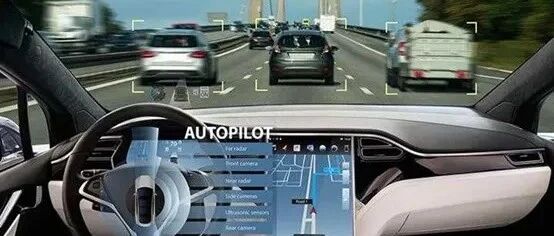
北京出手!启动智驾车险开发应用,适配L2—L4全级别
券商中国· 2026-03-29 12:02
Core Viewpoint - The Beijing Financial Regulatory Bureau has initiated the development and application of commercial insurance for intelligent connected new energy vehicles, optimizing existing insurance products to accommodate L2 to L4 levels of intelligent connected vehicles while maintaining stable pricing compared to current commercial vehicle insurance [1][2]. Group 1: Product Development and Implementation - The new insurance products will be tailored for L2 level assisted driving vehicles, initially applicable to new energy vehicles purchased in Beijing, allowing owners to choose between the new products and existing vehicle insurance [1]. - For L3 and L4 level autonomous vehicles, the new products will be available for those legally tested or certified for road use in Beijing, with plans to gradually expand availability as operational data and claims experience are accumulated [1][2]. Group 2: Industry Considerations and Legal Framework - The decision to base the new products on the existing vehicle insurance framework is aimed at maintaining legal consistency, protecting victims' rights, and fostering industry innovation [2]. - The current vehicle insurance system has proven effective in managing traffic accidents, and aligning the new products with existing regulations helps balance interests and ensures timely compensation for accident victims [2]. Group 3: Collaborative Efforts and Standards - A special working group has been formed, including the Beijing Financial Regulatory Bureau, the China Insurance Industry Association, and major insurance companies, to develop product terms, conduct rate calculations, and ensure reasonable pricing [2]. - The Beijing Insurance Industry Association is coordinating preparations for product rollout, establishing standardized underwriting and claims practices, and enhancing professional training for industry personnel [3].

北京金融监管局:率先启动智驾车险开发应用 适配L2—L4全级别
证券时报· 2026-03-29 11:40
Core Viewpoint - The Beijing Financial Regulatory Bureau has initiated the development of specialized commercial insurance products for intelligent connected new energy vehicles, aiming to optimize existing insurance frameworks to accommodate L2 to L4 level vehicles while maintaining stable pricing compared to current commercial vehicle insurance [1][2]. Group 1: Product Development and Implementation - The new insurance products will be tailored for L2 level assisted driving vehicles, initially applicable to new energy vehicles purchased in Beijing, allowing owners to choose between the new specialized products and existing vehicle insurance [1]. - For L3 and L4 level autonomous vehicles, the specialized products will be available for those legally tested or certified for road use in Beijing, with plans to gradually expand availability as operational data and claims experience are accumulated [1][2]. Group 2: Rationale and Industry Collaboration - The decision to base the new products on the existing vehicle insurance framework is driven by considerations of legal consistency, protection of victims' rights, and support for industry innovation, ensuring effective compensation for traffic accident victims [2]. - A specialized working group has been formed, including the China Insurance Industry Association and major insurance companies, to develop product terms, conduct rate calculations, and ensure scientific pricing [3].

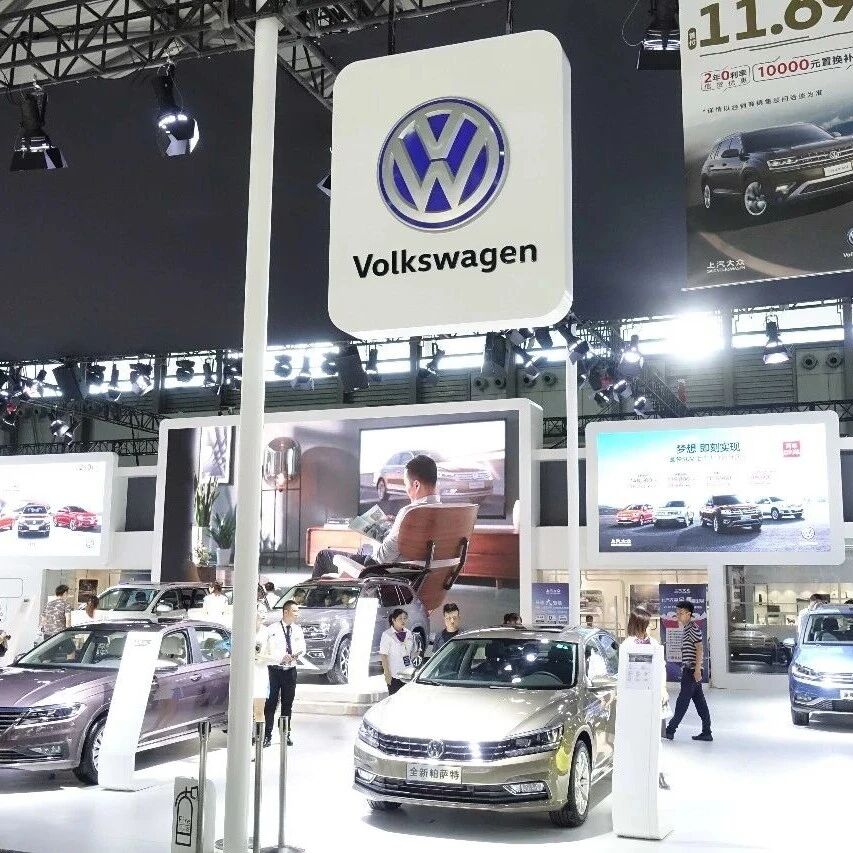
大众在华三家合资打法出炉
第一财经· 2026-03-28 14:39
Core Viewpoint - The long-term goal of Volkswagen's passenger car brand is to maintain its position as the leading international brand in the Chinese market, with a focus on transitioning from fuel vehicles to new energy vehicles [3]. Group 1: Strategic Goals and Market Position - Volkswagen aims to leverage new technologies to reduce costs through scale, build a local framework, and integrate new technologies into future models [3]. - The Chinese new energy vehicle market is rapidly developing, with a penetration rate exceeding 50% by 2025, leading to a shift in market competition dynamics [3]. - Volkswagen plans to launch 13 new energy vehicles in China by 2026, with over half of its product lineup being new energy vehicles by 2027 [3][5]. Group 2: Product Development and Collaboration - The new products will be launched through three joint ventures, with SAIC Volkswagen introducing six new models, including four from the ID.ERA series [4]. - Volkswagen Anhui will debut three new pure electric models, while FAW Volkswagen will add four new energy models, including two from the ID.AURA series [4]. - The three joint ventures will share the CEA architecture and platforms like CMP and CSP, ensuring a consistent technological foundation while allowing for unique product characteristics tailored to different user groups in China [4]. Group 3: Research and Development - Volkswagen (China) Technology Co., Ltd. (VCTC) serves as the R&D center, coordinating development efforts and is the largest R&D center outside Germany [4]. - The collaboration with Horizon to develop system-on-chip (SoC) technology is part of Volkswagen's strategy to enhance its technological capabilities in the Chinese market [4].
【快讯】每日快讯(2026年3月27日)
乘联分会· 2026-03-27 08:44
Domestic News - The State Administration for Market Regulation held its first enterprise fair competition symposium of 2026, focusing on standardizing corporate competition behavior and supporting enterprises in expanding international markets [7] - Beijing released the 3.0 version of its cross-border data plan, emphasizing six key areas including commercial aerospace and smart connected vehicles, with 27 innovative measures proposed [8] - Guangzhou aims to promote the development of smart connected vehicles and intelligent unmanned systems, focusing on key technologies and supporting the commercialization of AI terminals [9] - BYD has built a total of 4,990 fast charging stations across 292 cities, with a recent addition of 105 stations [10] - GAC launched its first overseas service brand, GAC CARE, in Thailand, marking a strategic upgrade with a focus on product innovation and user-centric services [11][12] - XPeng Motors announced its three-year strategy for Latin America, aiming for full market coverage by 2028 and entering the Mexican market with its G6 and G9 models [13] - Pony.ai formed a strategic partnership with Verne and Uber to develop commercial Robotaxi services, starting in Zagreb, Croatia [15] - Autoliv signed a strategic cooperation agreement with Churen Automotive to enhance collaboration in product development and market expansion [16] International News - The European Transport and Environment Federation reported that the transformation window for the European automotive industry is narrowing, with Europe lagging behind China in electric vehicle sales by about three years [17] - The situation in Iran has led to increased metal costs, prompting several Indian automakers to raise vehicle prices, with Tata Motors planning a 1.5% increase for commercial vehicles [18] - Tesla introduced a new folding supercharging unit that reduces installation time by half and improves transportation efficiency by 33% [19] - Amazon's Zoox announced an expansion of its Robotaxi service in Las Vegas and San Francisco, with plans to extend to Austin and Miami [20] Commercial Vehicles - The UK government launched a £1 billion initiative to support the electrification of trucks and commercial vehicles, set to continue until 2030 [20] - Yuexiu Leasing and FAW Jiefang signed a strategic cooperation agreement to deepen collaboration in new energy commercial vehicles and smart transportation [21] - Qiji Battery announced the launch of the "Western Sichuan Heavy Truck Battery Swap Corridor," promoting the electrification of heavy truck transportation [22] - Successful Automotive and Laidong New Energy signed a strategic cooperation agreement to enhance collaboration in the new energy commercial vehicle sector [23]

【快讯】每日快讯(2026年3月25日)
乘联分会· 2026-03-25 08:35
Domestic News - Shenzhen is exploring pilot projects for autonomous driving technology in public transport, taxis, ride-hailing, and logistics delivery, aiming to accelerate the commercialization of smart connected vehicles [7] - Beijing Economic-Technological Development Area has officially commenced construction of a high-end automotive parts industrial park, covering approximately 51,500 square meters with a planned total construction area of about 32,000 square meters [8] - Dongfeng Motor's first EMB (Electric Mechanical Brake) system has completed winter testing, demonstrating advanced performance in extreme conditions and plans for mass production in Q3 2026 [9] - Leap Motor's B10 model has officially rolled off the production line at its SKD factory in Myanmar, marking a significant step in its global strategy [10] - Firefly has launched the right-hand drive version of its vehicle in Thailand at a price of 799,000 Thai Baht (approximately 169,236 RMB), expanding its presence in Southeast Asia [11] - Lynk & Co has unveiled its new models, Lynk 01 and Lynk 02, in Mexico City, showcasing innovations in digital and user experience [12] - Aptiv has signed a contract to invest 5 billion RMB in an intelligent automotive electronics factory in Jiaxing, set to begin production in Q3 2027, focusing on smart cockpit and driver assistance systems [13] - WeRide plans to deploy 2,600 Robotaxis globally by the end of 2026, with a long-term goal of deploying tens of thousands by 2030 [14] International News - European car sales increased by 1.7% year-on-year in February, reaching 979,321 units [16] - Thailand's car sales fell by 2.17% year-on-year in February, marking the first decline in nearly a year, with electric vehicle sales down by 19% [17] - Valeo will invest $225 million to build a factory in Texas, USA, to provide central computing units for General Motors' next-generation vehicle architecture, with production expected to start by the end of 2027 [18] - Zoox plans to launch autonomous taxi testing in Austin and Miami later this year, with initial services limited to employees and friends before opening to the public [19] Commercial Vehicles - In Cangzhou, hydrogen sales will receive a subsidy of 3 RMB per kilogram for new hydrogen stations and related facilities, with a price cap of 25 RMB per kilogram [20][21] - FAW Jiefang has delivered the industry's first batch of pure electric car transport vehicles, marking a significant step towards large-scale electric operations in the logistics sector [22] - The first new energy pickup truck club in China has been established by Zhengzhou Nissan, reflecting the company's strategic shift towards high-end new energy vehicles [23] - The new D-MAX 3.0T model from Jiangxi Isuzu has been launched in Nanchang, with prices ranging from 169,800 to 209,800 RMB, targeting the high-end diesel pickup market [24]



【快讯】每日快讯(2026年3月24日)
乘联分会· 2026-03-24 08:42
Domestic News - Shenzhen is accelerating the commercialization of intelligent connected vehicles, with plans to establish a unified government supervision platform and explore pilot projects in various transportation scenarios [7] - The China Charging Alliance reported that from January to February 2026, the increase in charging infrastructure reached 918,000 units, a year-on-year increase of 44.8%, with public charging facilities decreasing by 53.8% and private charging facilities increasing by 110.4% [8] - XPeng Motors has established a Robotaxi division to oversee product definition, project integration, research, testing, and operations, with plans to launch passenger demonstration operations in the second half of 2026 [9] - Haima Automobile is working to further reduce the manufacturing and usage costs of hydrogen vehicles, having deployed 50 hydrogen vehicles in Hainan with a total mileage exceeding 2 million kilometers [10] - Li Auto has built over 4,000 supercharging stations and plans to launch its first automatic charging station in Q2 2026, marking the beginning of a "no-sense charging era" [12] - Dongfeng Fengxing showcased its new energy SUV FRIDAY and flagship MPV Xinghai V9 at the Bangkok International Motor Show, targeting local market needs [13] - Alibaba's Qianwen has launched a new ride-hailing feature that allows users to make personalized requests for vehicle selection [14] - Huawei's Qiankun intelligent driving solution has recorded over 50 million uses for its parking-to-parking feature [15] International News - In the U.S., electric vehicle-related search volume increased by approximately 20% following a rise in national average gasoline prices to $3.94 per gallon, the highest in nearly three years [16] - Elon Musk announced plans to build a chip manufacturing center in Austin, Texas, aimed at producing 2nm process chips for Tesla and SpaceX projects [17] - Toyota plans to invest $1 billion in its U.S. factories to enhance production capacity for electric and hybrid vehicles as part of a larger investment strategy [18] - Suzuki announced the full acquisition of solid-state battery company Kanadevia, which specializes in high-density, fast-charging batteries, highlighting Suzuki's strategy to enter the high-performance electric vehicle market [19] Commercial Vehicles - Geely Remote and Hong Kong Polytechnic University have deepened their collaboration in research and development, focusing on methanol-powered commercial vehicles and smart transportation [20] - Tesla's electric semi-truck, the Semi, has officially entered the stage of large-scale delivery, with plans to deliver between 5,000 to 15,000 units in 2026 [22] - BYD showcased its electric commercial vehicles at the Shenzhen International Commercial Vehicle Expo, highlighting its advancements in electric technology [23] - Yuchai's bus engines have been exported to Senegal, enhancing local public transportation efficiency [24]






德赛西威(002920):量价齐升!“双冠王”:350亿新订单,难挡大股东减持冲动
市值风云· 2026-03-20 11:12
Investment Rating - The report does not explicitly state an investment rating for the company Core Insights - The core focus of the report is on the revenue growth acceleration potential of the company [1] - The company, Desay SV, has achieved significant progress, ranking 58th among the top 100 global automotive parts suppliers in 2025, an increase of 16 places year-on-year [4][5] Summary by Sections Business Performance - In 2025, Desay SV achieved total revenue of 32.557 billion, a year-on-year increase of 17.9% [9] - The net profit attributable to shareholders reached 2.454 billion, growing by 22.4% year-on-year [12] - The smart cockpit segment generated revenue of 20.585 billion, with a year-on-year growth of 12.9%, accounting for approximately 63.2% of total revenue [13] - The smart driving segment achieved revenue of 9.7 billion, a year-on-year increase of 32.6%, with its revenue share rising to 29.8% [15] - The total annualized sales of new project orders exceeded 35 billion, a year-on-year growth of about 30% [17] Market Position and Trends - Desay SV holds the top market share in the domestic smart cockpit and smart driving markets, with shares of 21.7% and 26.7% respectively in 2024 [8] - The penetration rates for smart driving and smart cockpit are expected to rise to 64% and 82% respectively by 2025, indicating significant growth potential [21] - The market size for smart driving and smart cockpit is projected to grow to 213 billion and 300 billion respectively by 2029, with corresponding CAGR of 20.2% and 18.4% [22] Product Development and Innovation - The average unit price for smart driving products increased from 313 to 904 per unit from 2021 to 2024, while the average unit price for smart cockpit products rose from 656 to 960 per unit [27] - The introduction of the fifth-generation smart cockpit platform based on a new AI chip is expected to enhance product value [29] - The company plans to list on the Hong Kong stock exchange in 2026 to enhance its international brand influence [30] Shareholder Activity - The second-largest shareholder, Huizhou Innovation Investment Co., Ltd., reduced its stake by 4.8% in 2025, cashing out approximately 2.8 billion [33] - The largest shareholder, Guangdong Desay Group Co., Ltd., has also announced plans to reduce its stake by 1.2% in early 2026 [36]
全球最大电子玻纤生产线点火
DT新材料· 2026-03-19 16:06
Core Viewpoint - The article highlights the launch of the world's largest electronic-grade glass fiber production line at China Jushi's zero-carbon manufacturing base in Huai'an, marking a significant step in the glass fiber industry towards sustainable and intelligent manufacturing [2]. Group 1: Production and Capacity - The newly ignited electronic-grade glass fiber production line has an annual capacity of 390 million meters, accounting for 9% of the global market [2]. - After the launch of the Huai'an base, China Jushi's market share in the electronic glass fiber sector will increase to approximately 28% [5]. Group 2: Technological Innovations - The project integrates advanced technologies such as high-performance glass formulations, large-scale melting furnaces, and intelligent manufacturing, all of which are developed in-house and possess 100% independent intellectual property rights [2]. - The production process utilizes green electricity and incorporates a wind power project that generates about 1.24 billion kWh annually, offsetting approximately 1 million tons of carbon emissions [2]. Group 3: Environmental Initiatives - The Huai'an base has achieved carbon footprint certification for four types of glass fiber products, gaining high recognition from international clients, which positions the company favorably against future EU carbon tariffs [3]. - The facility is also advancing the integration of building photovoltaic (BIPV) systems and has initiated trials for hydrogen-blended natural gas combustion technology in kilns, establishing a multi-energy complementary green energy supply system [2]. Group 4: Market Demand and Applications - Electronic-grade glass fiber is a core raw material for high-end electronic information industries, widely used in applications such as AI servers, humanoid robots, and automotive electronics [4]. - The product structure of the new project includes ultra-fine yarns and ultra-thin fabrics, catering to the urgent demand for high-performance PCB substrates in emerging sectors [5].