
有机巧克力

Search documents
土地回归“大自然节律” 农民拥有“绿色增收源”(第一现场)
Ren Min Ri Bao· 2025-11-12 22:19
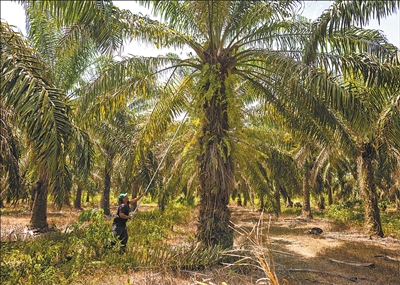
Group 1: Sustainable Agriculture Practices - The integration of agroforestry systems in Tomé-Açu is promoting ecological transformation by allowing crops like oil palm, cocoa, and fruit trees to complement each other, enhancing soil fertility and reducing pest issues [2] - The "rainforest agriculture system" in Brazil is recognized for its ability to restore degraded land and improve agricultural resilience against climate change [2] - Farmers are increasingly recognizing that forest protection is essential for maintaining their production base, integrating environmental actions into their business practices [3] Group 2: Economic Impact and Employment - The Dempaça Agricultural Company has been supporting landless farmers by providing land and technical assistance, leading to increased incomes and promoting environmentally friendly oil palm cultivation [5] - Farmers have reported significant income increases, with some families experiencing a tenfold rise in monthly income through scientific oil palm cultivation practices [5] - The organic chocolate industry on Combu Island has created job opportunities for local women and has contributed to the development of eco-tourism, enhancing local employment [5] Group 3: Government Initiatives and Regulations - The Brazilian government is implementing a national rural environmental registration system to issue "ecological IDs" for farms, helping to monitor land use and support ecological restoration [6] - Over 7 million agricultural lands have been registered under this system, indicating a shift towards sustainable practices among farmers [6] - The government has established a plan for climate change adaptation and low carbon emissions in agriculture, encouraging the adoption of green production technologies [6]

行走拉美手记丨探访雨林小岛上的巧克力工厂
Xin Hua Wang· 2025-10-27 03:10
Core Viewpoint - The article highlights the success of the organic chocolate factory "Daughter of Combu," run by indigenous entrepreneur Senhora Neena, which not only provides sustainable income for local residents but also serves as a model for sustainable development in the Amazon region [1][2]. Group 1: Company Overview - "Daughter of Combu" is an organic chocolate factory located on Combu Island, known for its 100% natural chocolate made from wild cocoa native to the Amazon, free from chemical additives [2]. - The factory was founded by Senhora Neena in 2006, who initially sold chocolate at local markets before formalizing the business in 2012 [1]. - The factory has become a significant tourist attraction, allowing visitors to learn about cocoa cultivation and sustainable practices [2]. Group 2: Sustainable Practices - The factory employs diverse agricultural practices, utilizing not only cocoa but also other local plants like açaí and cassava, ensuring year-round income and promoting biodiversity [2]. - The Brazilian Agricultural Federation supports sustainable development in the Amazon, providing training in production techniques and management to help indigenous communities thrive [2]. Group 3: Community Impact - The success of the chocolate factory has improved the economic situation of local indigenous people, who previously relied on selling fruits and fishing for meager incomes [1]. - Senhora Neena emphasizes the importance of preserving the rainforest for future generations and calls for more public resources to support indigenous and small-scale farmers [3]. - The upcoming COP30 conference in Belém is seen as an opportunity to raise awareness about the needs of indigenous communities [3].