
雨林农业系统

Search documents
土地回归“大自然节律” 农民拥有“绿色增收源”(第一现场)
Ren Min Ri Bao· 2025-11-12 22:19
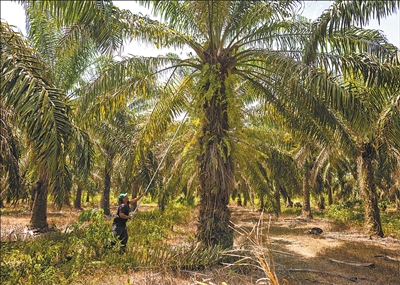
Group 1: Sustainable Agriculture Practices - The integration of agroforestry systems in Tomé-Açu is promoting ecological transformation by allowing crops like oil palm, cocoa, and fruit trees to complement each other, enhancing soil fertility and reducing pest issues [2] - The "rainforest agriculture system" in Brazil is recognized for its ability to restore degraded land and improve agricultural resilience against climate change [2] - Farmers are increasingly recognizing that forest protection is essential for maintaining their production base, integrating environmental actions into their business practices [3] Group 2: Economic Impact and Employment - The Dempaça Agricultural Company has been supporting landless farmers by providing land and technical assistance, leading to increased incomes and promoting environmentally friendly oil palm cultivation [5] - Farmers have reported significant income increases, with some families experiencing a tenfold rise in monthly income through scientific oil palm cultivation practices [5] - The organic chocolate industry on Combu Island has created job opportunities for local women and has contributed to the development of eco-tourism, enhancing local employment [5] Group 3: Government Initiatives and Regulations - The Brazilian government is implementing a national rural environmental registration system to issue "ecological IDs" for farms, helping to monitor land use and support ecological restoration [6] - Over 7 million agricultural lands have been registered under this system, indicating a shift towards sustainable practices among farmers [6] - The government has established a plan for climate change adaptation and low carbon emissions in agriculture, encouraging the adoption of green production technologies [6]

行走拉美手记丨探访巴西热带雨林中的混合农业模式
Xin Hua Wang· 2025-11-03 03:41
Core Insights - The article discusses the mixed agricultural model in the Brazilian Amazon rainforest, particularly in the region of Tomé-Açu, which benefits from ideal conditions for oil palm cultivation [1][2]. Group 1: Agricultural Practices - The oil palm can yield approximately 5 tons of oil per hectare annually, significantly higher than other crops like soybeans and castor beans [2]. - The mixed planting model involves cultivating over 15 different plant species alongside oil palms, including pepper, cocoa, and Brazilian berries, which enhances biodiversity and sustainability [2][3]. - The mixed agricultural system, known as the rainforest agricultural system in Brazil, helps maintain soil health, ensures biodiversity, and contributes to carbon sequestration [3]. Group 2: Environmental and Economic Impact - The cooperative has received guidance from the Brazilian Agricultural Research Company and private enterprises, with the palm oil produced being sent to local cosmetics factories [3]. - The cooperative promotes the use of solar energy for irrigation and processing to reduce energy consumption, with many members already utilizing solar systems sourced from China [3].