服装配饰

Search documents
2026年1月以后,不出意外的话,或将迎来4大降价潮,老百姓提前做好准备
Sou Hu Cai Jing· 2026-01-12 17:09
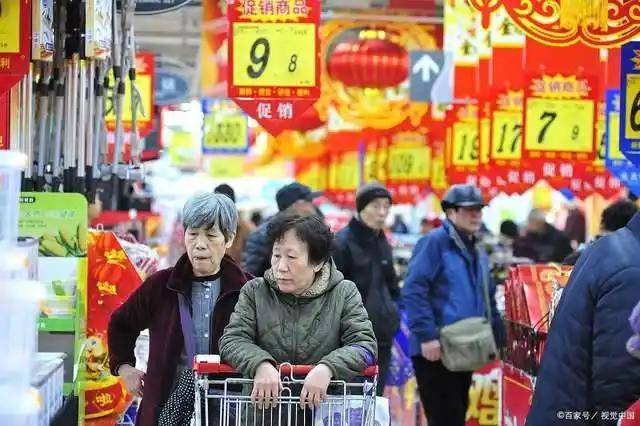
Core Viewpoint - The market is expected to experience a significant price drop in various sectors by 2026 due to increased competition, rising supply, and changing consumer behavior [1][5][7]. Group 1: Sectors Facing Price Drops - The home appliance industry is experiencing intense competition, leading to price reductions as traditional brands respond to online competitors and new brands attract consumers with lower prices [2][4]. - The food and fast-moving consumer goods sector is also seeing increased supply, prompting companies to lower prices to meet changing consumer preferences for cost-effective products [4][5]. - The rental market is shifting, with increased housing supply in many cities leading landlords to reduce rents to attract tenants, particularly in second and third-tier cities [4][8]. - The clothing and accessories industry is under pressure from high inventory levels, prompting brands to offer significant discounts to clear stock before the new year [4][10]. Group 2: Consumer Behavior and Market Dynamics - Consumers are becoming more rational and cautious, often comparing prices online and waiting for promotions, which pressures companies to lower prices to retain customers [5][7]. - The anticipated price drops are seen as beneficial for consumers, particularly for essential goods like food and household items, which could alleviate living costs for families [8][10]. - Companies are adjusting their strategies in response to the price drop trend, with some opting to lower prices to gain market share while others focus on improving quality to maintain price levels [10][11]. Group 3: Economic Implications - Price reductions can indicate both healthy market competition and potential economic challenges, reflecting a market adjustment rather than a definitive economic downturn [7][10]. - The government may view the price drop trend positively, as it can stimulate consumer spending and contribute to overall economic growth [10][11]. - While the current price drop trend presents opportunities for consumers, it is essential to approach purchases with discernment, ensuring that the items are genuinely needed and the price reductions are justified [5][10].


视频丨新场景带来新体验 “电影+”正加速赋能更多产业
Yang Shi Xin Wen Ke Hu Duan· 2026-01-10 03:03
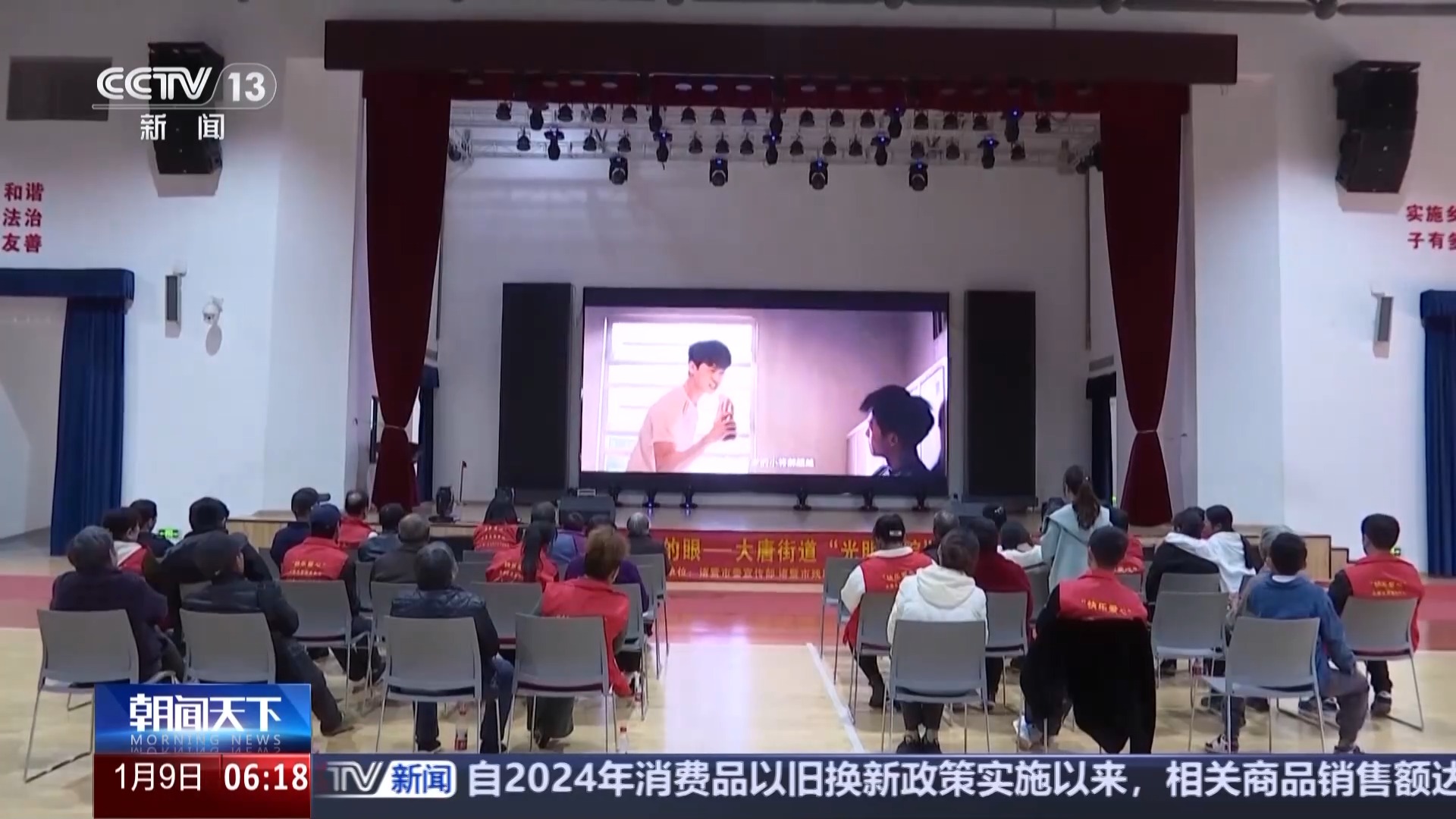
Core Insights - The film industry is expanding its boundaries, integrating with various sectors and enhancing the experiences of diverse groups, including those with disabilities [1][2][12] Group 1: Accessibility Initiatives - A cinema in Zhejiang has introduced specialized audio descriptions for visually impaired individuals, allowing them to enjoy films through sound [2][4] - The "Light Cinema" initiative has screened 189 films in the past year, reaching over 80% of the visually impaired population in the city, making cinema more accessible [8] - Local infrastructure improvements, including road renovations and cinema upgrades, have created a supportive environment for disabled individuals, enhancing their quality of life [9][11] Group 2: Economic Impact and IP Utilization - Over 2,000 cinemas have been adapted for elderly audiences, with more than 35% coverage of senior-friendly screening rooms, facilitating access for older demographics [12] - Collaborations with film IPs have led to a surge in demand for co-branded products, such as plush toys and cosmetics, significantly boosting overseas sales [14][16] - By Q3 2025, companies leveraging film IPs are projected to achieve overseas revenues of 5.85 billion yuan, a 28.7% increase from the previous year, with a 50% rise in direct overseas stores [18] Group 3: Technological Integration - The film industry is becoming a new economic engine, integrating with consumer electronics and enhancing product offerings through advanced technologies like 4K HDR and high frame rate displays [21][23] - The rise of mobile cinemas in electric vehicles is providing new entertainment options during travel, driving innovation in the automotive sector [23] - The short drama industry is experiencing a transformation, improving in quality and narrative depth, thus becoming a new growth point in the film and cultural market [25][27]
跨境电商必读:美国加州65号提案CA65\CP65\Prop65
Sou Hu Cai Jing· 2026-01-07 04:54
Core Viewpoint - Increasing number of Chinese cross-border sellers are receiving warning letters from the U.S. demanding immediate product label corrections or facing hefty fines, driven by California's Proposition 65, known as one of the strictest consumer safety regulations globally [1] Group 1: Proposition 65 Overview - Proposition 65, officially known as the "1986 Safe Drinking Water and Toxic Enforcement Act," was passed by California voters to protect residents and drinking water from known carcinogenic and reproductive toxic substances [3] - Unlike standard certifications, Proposition 65 does not have a unified "certificate of compliance," and products sold in California must comply even if they meet federal standards [4] Group 2: Scope and Requirements - Proposition 65 applies broadly to nearly all consumer products, focusing on materials that may pose health risks, particularly those known or suspected to cause cancer or reproductive harm [5] - Products containing over 1,000 officially recognized harmful substances must provide clear warnings if exposure exceeds safe levels, typically indicated by a "WARNING" label [6] Group 3: Commonly Tested Substances - Common testing categories include heavy metals (e.g., lead, cadmium, mercury, arsenic) and organic compounds (e.g., formaldehyde, phthalates, BPA), with specific limits set for each substance [5][7] - For example, formaldehyde limits are usually set at 75 ppm, while lead limits can vary, with some products having a threshold of 100 ppm [5][6] Group 4: Testing and Certification Process - The process for obtaining Proposition 65 testing certification involves several steps, including application and assessment, sample submission and payment, and laboratory testing [8][9] - Testing typically takes 5-7 business days, and a report is issued indicating whether the product meets the required limits for harmful substances [10]

维萨报告:电商与电子产品消费拉动本季假日零售销售额增长 4.2%
Xin Lang Cai Jing· 2025-12-23 13:00
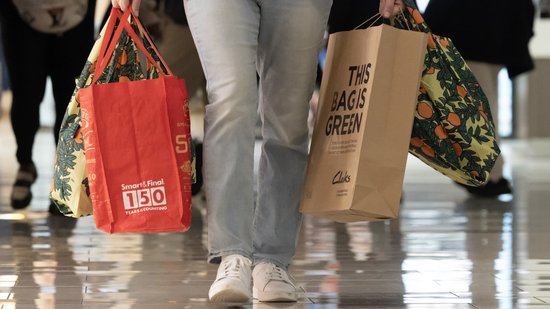
Core Insights - Visa's preliminary data indicates that U.S. holiday retail sales increased by 4.2% year-over-year, unadjusted for inflation [1][8] - E-commerce sales surged by 7.8%, while physical stores accounted for nearly three-quarters of total retail spending [1][8] - Sales of electronic products rose significantly by 5.8%, attributed to consumer demand for high-performance devices in the era of artificial intelligence [1][5] Retail Performance - The report highlights that despite ongoing economic headwinds, consumer spending remains resilient, particularly in technology and personal goods [3][10] - The data is based on Visa's U.S. payment network transactions, tracking consumer spending behavior over a seven-week period starting November 1, excluding automotive, gasoline, and dining expenditures [3][10] - Offline spending represented 73% of total retail payments, while online spending made up the remaining 27% [3][10] Consumer Behavior Trends - Visa's Chief Economist, Michael Brown, noted a decline in consumer confidence compared to the previous year, yet spending levels remain strong [4][11] - The influence of artificial intelligence on consumer behavior is growing, with about half of consumers using AI tools for price comparison and gift selection [4][11] - Spending patterns indicate a shift towards personal items and convenience products, with home improvement spending cooling off [5][12] Category-Specific Insights - Electronics emerged as the best-performing category with a 5.8% year-over-year sales increase, driven by a wave of product upgrades [5][11] - Apparel and accessories also performed well, with a 5.3% increase, while department stores focusing on one-stop shopping saw a 3.7% rise [12] - Conversely, home improvement spending declined by 1%, indicating a preference for holiday gifts and digital products over home renovations [12][13] Inflation Impact - The overall growth data is positive for the retail sector, but the unadjusted figures suggest that actual sales growth may be more moderate when considering the consumer price index [6][14] - After adjusting for inflation, the actual year-over-year growth in retail consumption for the holiday season is approximately 2.2% [7][15] - A recent survey revealed that 41% of Americans plan to reduce their holiday spending, a 6 percentage point increase from the previous year, highlighting the impact of high prices on consumer behavior [7][15]

9月美国服饰零售同比增长6.7%,海外K型消费趋势持续显现
Haitong Securities International· 2025-12-01 06:56
Investment Rating - The report suggests prioritizing investments in foreign trade, followed by domestic demand, with a focus on the export manufacturing sector for clearer performance recovery by 2026 [38]. Core Insights - In September 2025, US apparel and accessories retail sales grew by 6.7% year-on-year, although the inventory-sales ratio declined both year-on-year and month-on-month [38]. - The current overseas K-shaped consumption trend shows strong performance in both high-end and mass value-for-money segments [38]. - Key targets for investment include Huali Industrial Group, Stella International Holdings, Shenzhou International, and Best Pacific International, with specific focus areas in home textiles, affordable luxury, and low valuation high dividend companies [38]. Summary by Sections Industry Data Tracking - In October 2025, China's apparel retail sales increased by 6.8%, while textile and apparel exports decreased by 12.6% [16]. - The cumulative textile and apparel exports from January to October 2025 amounted to approximately $243.94 billion, reflecting a year-on-year decline of 1.79% [18]. Market Performance - The A-share textile and apparel sector rose by 2.75% in the last week, outperforming the broader market [6]. - The current PE valuation for the textile and apparel sector stands at 20.65 times, below the historical average of 24.70 times [10]. Key Announcements and News - Huitai Textile reported a 6.7% decline in revenue for the six months ending September 30, 2025, primarily due to tariff disruptions and low capacity utilization [33]. - Kappa's parent company reported a 49% increase in profit for the first half of the fiscal year, indicating strong brand and operational performance [34].


2026中国跨境电商及新电商交易博览会展会资料
Sou Hu Cai Jing· 2025-10-17 04:07
Core Insights - The 2026 Sixth China Cross-Border E-Commerce Fair will be held from March 18 to 20, 2026, at the Fuzhou Strait International Conference and Exhibition Center, serving as a platform for industry practitioners, brands, and service providers to exchange and collaborate [2][3] Group 1: Exhibition Basic Information - The fair focuses on cross-border e-commerce and new e-commerce sectors, gathering well-known domestic and international companies, supply chain service providers, logistics companies, and payment institutions [3] - The event will feature product displays, industry forums, and supply-demand matching, providing participants with valuable industry information and business opportunities [3] Group 2: Main Content of the Exhibition - Product displays will include various categories such as electronics, home goods, apparel, and food and beverages, allowing exhibitors to showcase their latest products and technologies [4] - Industry forums will invite experts and company representatives to share market trends, operational strategies, and policy interpretations, aiding practitioners in understanding development directions [4] - Supply-demand matching will facilitate efficient communication between brands, manufacturers, cross-border e-commerce platforms, and buyers, promoting transaction cooperation [4] - Supporting service displays will cover logistics, payment, warehousing, and digital marketing, helping companies optimize operational efficiency [4] Group 3: Development Trends in Cross-Border E-Commerce and New E-Commerce - The integration of social e-commerce and live streaming has become a significant sales channel, with many companies reaching consumers directly through social platforms [6] - The rise of independent site models is noted, as some brands choose to build their own sites to reduce reliance on third-party platforms and enhance brand autonomy [6] - Companies are increasingly focusing on supply chain efficiency, utilizing digital management to lower costs and improve response times [8] - Emerging markets in Southeast Asia and the Middle East are becoming new growth points for cross-border e-commerce, with companies actively expanding into these regions [8] Group 4: Value and Opportunities for Exhibiting Companies - Participating in the fair allows companies to expand customer resources by directly connecting with domestic and international buyers and platforms [8] - Companies can stay updated on industry dynamics through forums and peer exchanges, gaining insights into the latest market trends and technology applications [8] - The fair provides an opportunity to enhance brand influence through exposure, increasing recognition within the industry [8] - Companies can optimize supply chain collaboration by communicating face-to-face with logistics, payment, and other service providers to find more efficient solutions [8] Group 5: Recommendations for Visitors - Visitors are advised to clarify their goals and focus on product displays, forums, or matching sessions based on their needs [9] - It is recommended to make advance reservations for certain forums or activities that may require prior registration [9] - Visitors should prepare materials such as company introductions and product catalogs to facilitate effective communication regarding procurement or collaboration needs [9]

第二届“香港好物节”今日举行启动礼
Zheng Quan Shi Bao Wang· 2025-07-30 14:03
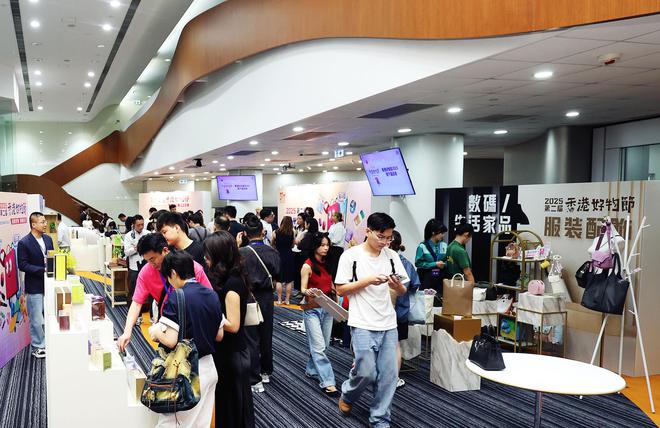
Core Insights - The Hong Kong Trade Development Council (HKTDC) is hosting the second "Hong Kong Goodies Festival" from August 1 to August 31 on mainland e-commerce platforms to support local SMEs in expanding their market presence in mainland China [1] Group 1: Event Overview - The festival is part of the HKTDC's flagship "E-commerce Express" initiative, featuring nearly 260 brands across seven major product categories [1] - The categories include health supplements, food and beverages, household items, personal care and cosmetics, clothing and accessories, digital gadgets, and products for the elderly [1] - Over 500 unique products will be offered with discounts throughout the month [1]
香港贸发局:第2届香港好物节8月举办 助力港企拓展内地电商市场
Zhi Tong Cai Jing· 2025-07-30 08:33
Core Insights - The Hong Kong Trade Development Council (HKTDC) is organizing the 2nd "Hong Kong Goodies Festival" from August 1 to 31 to assist Hong Kong SMEs in expanding into the mainland e-commerce market [1] - The mainland's cross-border e-commerce market exceeded 17 trillion RMB last year, presenting a significant opportunity for Hong Kong businesses [1] - The festival will feature nearly 260 brands across seven major product categories, offering over 500 unique products and discounts throughout the month [1] Group 1 - The event aims to enhance the visibility of high-quality Hong Kong products among mainland consumers [1] - The first edition of the festival achieved substantial success, leading to increased participation this year [1] - The HKTDC's Vice President highlighted the festival as a flagship event of the "E-commerce Express" program, promoting the slogan "Hong Kong Goodies, Shop Online" [1] Group 2 - The festival will collaborate with major e-commerce and social media platforms for promotional activities [1] - A series of specialized training seminars targeting the mainland e-commerce market will be organized to help businesses effectively seize opportunities [1] - The Hong Kong government continues to support industry upgrades and transformations through various measures to facilitate online sales channels [1]
印尼成了“出头鸟”,特朗普下最后通牒:印尼向美国开放整个市场
Sou Hu Cai Jing· 2025-07-17 09:48
Group 1 - Trump announced a trade agreement with Indonesia, marking the first time Indonesia has opened its entire market to the U.S. [1] - The trade deficit between the U.S. and Indonesia reached $17.9 billion in 2024, raising concerns about potential tariffs that could severely impact Indonesia's economy [3] - The agreement allows U.S. goods to enter Indonesia with zero tariffs, while Indonesian goods face a 19% tariff, which is significantly lower than the proposed 32% tariff [6][8] Group 2 - The agreement sets a benchmark for future negotiations, with Vietnam reacting to the announcement of a 20% tariff by urging its negotiation team to lower the rate [6][8] - The EU has prepared a countermeasure list worth €72 billion against U.S. goods, indicating a potential escalation in trade tensions [8] - Trump's aggressive tariff policies are reshaping traditional multilateral trade systems into bilateral negotiations and unilateral threats [10][12] Group 3 - Companies are adjusting their strategies in response to the changing trade environment, with stock prices of brands like Nike and Lululemon rising after the announcement [14] - The challenges of relocating production back to the U.S. include finding suitable labor and the significant investment required for manufacturing facilities [16] - Trump has issued tariff threats to over 20 countries, with proposed rates ranging from 20% to 50% [18] Group 4 - Japan, Canada, and Mexico are facing increased tariffs, with Japan's rate rising to 25% and Canada facing 35% [19] - Countries are seeking to balance their economic relationships with the U.S. while diversifying their trade partnerships to mitigate risks [21] - A strategy of multilateral engagement may become essential for medium-sized countries navigating the complexities of great power competition [23]
助力港企拓展内地电商市场!第二届香港好物节首办线下选品会
Nan Fang Du Shi Bao· 2025-06-26 06:23
Core Viewpoint - The "2025 Hong Kong Good Goods Festival" is set to enhance brand exposure for Hong Kong businesses and expand their presence in the mainland e-commerce market through a series of promotional activities, including a live-streaming sales event starting in August [1][4]. Group 1: Event Overview - The event, organized by the Hong Kong Trade Development Council, attracted over 40 popular live-streaming hosts and their professional teams for product selection [1][9]. - This year's festival will feature a month-long promotion on major mainland e-commerce and social media platforms, focusing on the theme "Hong Kong Good Goods, Shop Online" [4][16]. - The introduction of an offline product selection event aims to match suitable products with the audience of live-streamers based on the actual needs of mainland consumers [4][14]. Group 2: Product Selection and Quality - More than 160 unique products from Hong Kong businesses were showcased, covering various categories such as food and beverages, health care, clothing, personal care, household items, and digital products [4][6]. - Live-streaming teams emphasized the importance of product quality, with one team noting the rigorous standards maintained by Hong Kong companies in product sourcing and manufacturing [6][10]. - The selection process included evaluating product details and market potential, ensuring that only high-quality items were chosen for live-streaming [6][10]. Group 3: Marketing and Promotion Strategies - The event served as a communication bridge between Hong Kong businesses and live-streamers, facilitating a positive commercial cycle of selection, promotion, and consumption [12][14]. - Customized marketing strategies were employed, including inviting social media influencers to promote products through "planting grass" and "check-in" activities [12][14]. - The festival aims to provide a diverse shopping experience for mainland consumers by highlighting products with brand stories and local characteristics [10][14].