服装鞋履

Search documents
德勤:受惠地产市道稳定、股市畅旺,今年香港零售销售预计增近8%至4100亿港元
Jin Rong Jie· 2026-02-04 07:12
Group 1 - The total sales value of Hong Kong's retail industry is estimated to have increased by 1% year-on-year to HKD 380.5 billion last year [1] - Deloitte forecasts that Hong Kong's retail sales will grow nearly 8% year-on-year to approximately HKD 410 billion by 2026, driven by the gradual recovery of the Chinese economy [1] - Key retail categories expected to drive growth include jewelry and watches (up 19%), clothing and footwear (up 16%), pharmaceuticals and cosmetics (up 11%), and department stores (up 10%) [1] Group 2 - Deloitte suggests that the Hong Kong government should further deepen and expand the development of the events economy by supporting large-scale sports events, concerts, exhibitions, and international conferences to attract more visitors [2] - Utilizing Kai Tak Sports Park and Kai Tak Cruise Terminal for more flagship events can enhance Hong Kong's international image and solidify its position as a tourism hub and convention city [2]
德勤:受惠地产市道稳定、股市畅旺 今年香港零售销售预计增近8%至4100亿港元
智通财经网· 2026-02-04 06:46
Group 1: Retail Market Overview - The total sales value of Hong Kong's retail industry is estimated to have increased by 1% year-on-year to HKD 380.5 billion last year [1] - Deloitte forecasts that retail sales in Hong Kong will grow nearly 8% year-on-year to approximately HKD 410 billion by 2026, driven by the gradual recovery of the Chinese economy [1] - The strengthening of the Renminbi is expected to increase the number of visitors to Hong Kong, contributing to a more optimistic market outlook [1] Group 2: Consumer Trends and Categories - The increase in outbound travel by Hong Kong residents has led to some consumption shifting to mainland China and overseas markets, although the strong Renminbi is anticipated to weaken the motivation for spending in mainland China [1] - Deloitte China expects that visitor spending in Hong Kong will continue to boost consumption in luxury goods, electronics, pharmaceuticals, cosmetics, and dining sectors this year [1] - Key retail categories expected to drive growth include jewelry and watches (19% increase), clothing and footwear (16% increase), pharmaceuticals and cosmetics (11% increase), and department stores (10% increase) [1] Group 3: Events and Tourism Development - Deloitte China recommends that the Hong Kong government further deepen and expand the development of the events economy by supporting large-scale sports events, concerts, exhibitions, and international conferences to attract more visitors [2] - Utilizing the Kai Tak Sports Park and Kai Tak Cruise Terminal for more flagship events is suggested to enhance Hong Kong's international image and solidify its position as a tourism hub and convention city [2]
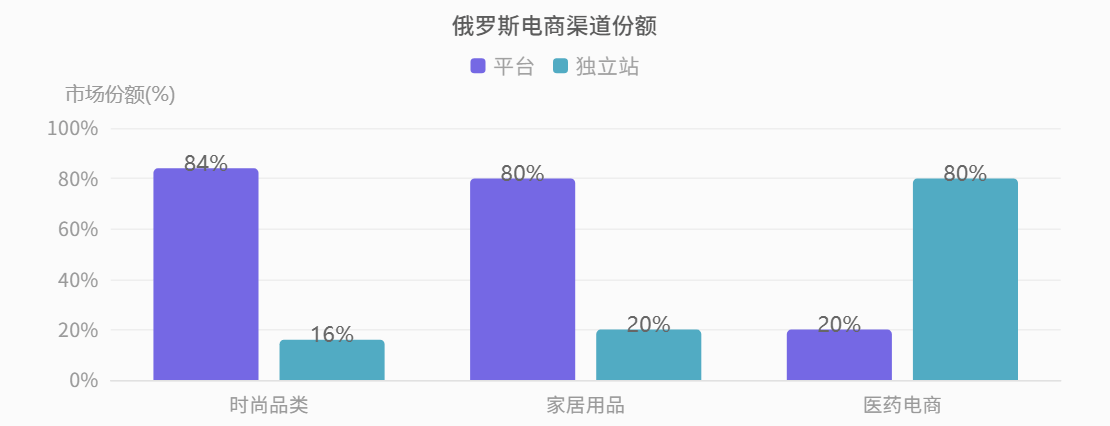
俄罗斯电商爆发:平台碾压独立站的“冰与火”
Sou Hu Cai Jing· 2025-12-06 13:15
Core Insights - The article emphasizes that for most businesses looking to enter the Russian market, leveraging comprehensive e-commerce platforms like Wildberries and Ozon is a more practical and advantageous choice compared to building independent sites due to the unique market environment, infrastructure, and consumer habits in Russia. Comparison of E-commerce Models - **Trust and Traffic**: Comprehensive platforms have a significant advantage with millions to tens of millions of monthly active users, which helps resolve consumer trust issues. In contrast, independent sites must invest heavily to build brand recognition and attract traffic, facing challenges in a market with generally low trust levels [3]. - **Payment and Settlement**: Platforms offer various localized payment methods (e.g., cash on delivery) and handle complex cross-border settlement issues, providing a secure channel for sellers. Independent sellers face high risks as international payment channels (e.g., Visa, PayPal) have exited, making it extremely difficult for small sellers to establish secure and reliable ruble collection channels [4][5]. - **Logistics and Delivery**: Platforms have built extensive logistics networks (e.g., Ozon has thousands of pickup points), effectively addressing the "last mile" delivery challenge with next-day delivery in core cities. Independent sellers must manage local delivery service providers, which are limited in Russia, leading to high logistics costs and uncertain delivery times [6]. - **Operational Barriers and Costs**: Platforms lower the entry barriers by providing standardized store management, marketing tools, and logistics services, allowing sellers to focus on product selection and operations with relatively controllable startup costs. Independent sellers face high barriers, needing to handle website development, technical maintenance, multi-channel marketing, and customer service, requiring significant resources and expertise [7][8]. Recommendations for Product Selection and Operations - **Precise Product Selection**: The Russian market has a sustained demand for clothing, electronics, home goods, and auto parts. Chinese products like mobile phones, small appliances, and fast fashion clothing are highly competitive. Sellers should also monitor seasonal bestsellers and emerging categories like smart home devices and pet products [9]. - **Deep Localization**: Beyond translating product information into Russian, sellers should localize designs to fit local aesthetics, provide detailed product specifications (as Russian consumers value this), and ideally offer Russian-speaking customer service to significantly enhance conversion rates [10]. - **Marketing Timing**: Sellers should align marketing efforts with important Russian holidays and shopping seasons, such as New Year (the largest sales season), International Women's Day (a significant gift-giving occasion), and "Double Eleven," planning marketing activities in advance [10]. - **Compliance Management**: Russia has mandatory product certification requirements (e.g., EAC certification). After joining a platform, sellers must thoroughly understand platform rules and local regulations to ensure product qualifications are complete, avoiding losses due to compliance issues [10]. Policy Implications - The introduction of a visa-free policy between China and Russia is expected to facilitate cross-border e-commerce development, making business exchanges more convenient and reducing costs for Russian buyers visiting China for market exploration [12][15].

卷起来了,俄罗斯电商
投中网· 2025-04-29 06:21
以下文章来源于霞光社 ,作者洋紫 霞光社 . 赋能企业全球化 将投中网设为"星标⭐",第一时间收获最新推送 "机遇还有,只是不好抓住了。" 作者丨 洋紫 编辑丨 李小天 红利期的时间窗口永远短暂,仅3年之后的当下,如果再看俄罗斯电商市场,这样的"暴富故事"几乎 没有重现的可能性。相比前两年,进入俄罗斯市场的门槛变高了,而且已经"卷"起来了。"机遇还 有,只是不好抓住了。"一位俄罗斯外贸从业者一言以蔽之。 2025年,俄罗斯仍是世界上受制裁最严重的国家。据哈佛大学肯尼迪学院的研究,自俄罗斯在乌克 兰开始特别军事行动以来,世界有大约50个国家对俄罗斯实施了超过2万项制裁。 制裁的结果显而易见,自苏联时期起就轻工业基础薄弱的俄罗斯,面对大批欧美、日韩等企业集体撤 出,俄罗斯商品供应链遭受系统性冲击,留下的万亿级市场缺口。 而对于中国商家来说,2025年开年以来,以制造取胜的中国商家需要在变动中寻求稳定,多元市场 布局一定是其中的重要举措,在美国市场之外寻找"第二市场"又或者开发是一个"新市场",已经成 为目前大环境下卖家的共识。 两者之间的互补性,意外造就了双方电商贸易的繁荣。 2024年,中俄之间的贸易额达到创纪 ...
卷起来了,俄罗斯电商
3 6 Ke· 2025-04-28 01:09
Core Insights - The Russian e-commerce market has seen significant changes since 2022, with the initial boom period for sellers now giving way to increased competition and higher entry barriers [1][3] - By 2025, Russia remains heavily sanctioned, with over 20,000 sanctions imposed by around 50 countries since the Ukraine conflict began, leading to a systemic shock in the supply chain [1][3] - The trade relationship between China and Russia has flourished, with trade volume reaching a record $244.8 billion in 2024, and e-commerce sales in Russia growing by 28% in 2023 and projected to grow by 41% in 2024 [3][4] E-commerce Growth and Challenges - The number of sellers offering Chinese products in Russia has surged, with a 16-fold increase in the past year, and over 70% of Russians now willing to purchase Chinese goods [4][5] - The competitive landscape in Russian e-commerce has intensified, with new regulations increasing the cost of entry and operational expenses for sellers [12][13] - Payment and logistics remain significant challenges, with sanctions affecting international transactions and increasing costs for shipping and logistics [15][17] Market Dynamics and Consumer Behavior - Russian consumers are increasingly sensitive to prices due to inflation, with essential goods seeing significant price hikes [19][22] - Despite economic challenges, the demand for affordable products remains strong, and e-commerce platforms are adapting to meet this demand by lowering logistics costs for low-priced items [19][25] - The online shopping penetration in Russia has reached 35%, driven by high internet usage and the convenience of e-commerce platforms [11] Long-term Opportunities for Chinese Brands - The Russian market presents long-term opportunities for Chinese brands, especially in filling gaps left by Western brands that have exited [22][26] - Localized strategies, such as establishing domestic stores and adapting products to meet local preferences, are crucial for success in the Russian market [26][27] - The ongoing conflict has created a unique environment where Chinese brands can establish a foothold and build long-term relationships with Russian consumers [27][28]