
木桶

Search documents
古人吃饭的那些事
Xin Lang Cai Jing· 2026-02-06 16:48
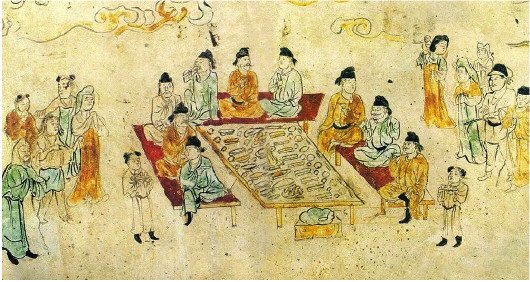
Core Perspective - The book "The Way of the Ancients: Common Knowledge of Ancient Chinese Life" by author Shi Jiepeng provides a detailed depiction of the everyday life of ordinary people in ancient China, focusing on aspects such as geography, food, clothing, housing, travel, health, values, survival, marriage, communication, and more, rather than grand historical narratives [3]. Group 1: Food and Diet - Ordinary people could rarely afford to eat pork, lamb, or beef, typically consuming offal instead. The staple food was millet, with rice also being consumed in the north, and glutinous millet being a luxury often paired with chicken [4]. - The common diet included porridge-like dishes called "geng," made from rice, flour, vegetables, and sometimes meat, which were convenient for serving with rice [6]. - Historical records indicate that the average daily food intake for adult males was around 1.5 kg for breakfast and 1 kg for dinner, while women consumed about 900 grams daily [10]. Group 2: Water and Salt - Water was primarily drawn from wells using clay pots, which were often broken, leading to disputes among users. By the Tang Dynasty, wooden buckets began to replace clay pots for drawing water [12][14]. - Salt was a crucial part of daily life, with historical accounts highlighting its importance in food preparation and the economy. The state managed salt production, indicating its significance in ancient society [15][16]. Group 3: Sweeteners - Ancient China did not have modern granulated sugar; instead, honey and a type of sweetener called "yi" made from rice and malt were used. These sweeteners were considered luxury items [17][18]. - The production of sugar from sugarcane began in the Six Dynasties period, but the method of making granulated sugar was introduced later during the Tang Dynasty [18].

让木头唱歌的人
Ren Min Ri Bao· 2025-05-25 22:13
Core Viewpoint - The article highlights the craftsmanship of Midalihan Aihiken, a woodworker from Haba River, who has dedicated his life to creating intricate wooden utensils and furniture, reflecting the rich cultural heritage of the region and attracting tourism. Group 1: Craftsmanship and Artistry - Midalihan Aihiken has created a complex wooden dining table featuring a central shallow plate with a carved fish, symbolizing the local cold-water black-spotted salmon [2][3] - The table is designed for convenience in a nomadic lifestyle, allowing for easy disassembly and serving various foods [2][3] - The craftsmanship involves a lengthy process, including selecting suitable wood, soaking it, and meticulously shaping it without sketches, relying on his imagination and experience [3][4] Group 2: Cultural Significance - Wooden utensils play a vital role in the lives of nomadic people, with Aihiken learning the craft from his grandfather and father, emphasizing the importance of tradition [3][5] - The designs often incorporate natural elements and local wildlife, showcasing the connection between the artisan and the environment [4] Group 3: Legacy and Tourism - Aihiken has been passing down his skills to younger generations, including his grandson, who is beginning to learn the craft [5] - The popularity of the Haba River area has surged due to the TV series "My Aletai," drawing tourists to experience the local culture and purchase handcrafted wooden items [5]