本币互换协议

Search documents
人民币大消息!中加两国央行续签,互换规模为2000亿元人民币
Sou Hu Cai Jing· 2026-01-24 14:12
Core Viewpoint - The article discusses the renewal of the currency swap agreement between China and Canada, which is seen as a strategic move to challenge the dominance of the US dollar and enhance bilateral trade relations, particularly in light of recent tariff reductions on electric vehicles and the return of canola seeds to the Chinese market [1][2]. Group 1: Currency Swap Agreement Details - The People's Bank of China announced the renewal of the bilateral currency swap agreement with the Bank of Canada, with a scale of 200 billion RMB, valid for five years, and extendable upon mutual agreement [3][8]. - This agreement aims to facilitate trade and investment between the two countries by allowing businesses to settle transactions in their local currencies, thus reducing costs and risks associated with currency exchange [10][14]. Group 2: Historical Context and Benefits - The initial agreement was established in 2017 but was not renewed immediately due to various factors; however, the willingness to cooperate remained, leading to the reactivation of the agreement in 2021 amid complex global economic conditions [8][12]. - The currency swap has proven beneficial for businesses engaged in cross-border trade, as it eliminates the need to convert currencies through a third party, thereby reducing transaction costs and exposure to exchange rate fluctuations [6][12]. Group 3: Broader Implications and Global Context - The currency swap agreement between China and Canada is part of a larger strategy by China to expand its global financial cooperation network, having established similar agreements with 32 countries and regions as of May 2025 [16][18]. - The increasing international acceptance of the RMB and the practical benefits of currency swaps have led to a growing number of countries seeking to engage in such agreements, enhancing the RMB's role in global trade [18][22]. - The cooperation between China and Canada serves as a model for other nations, demonstrating that equitable and mutually beneficial financial partnerships can lead to shared economic growth [24].


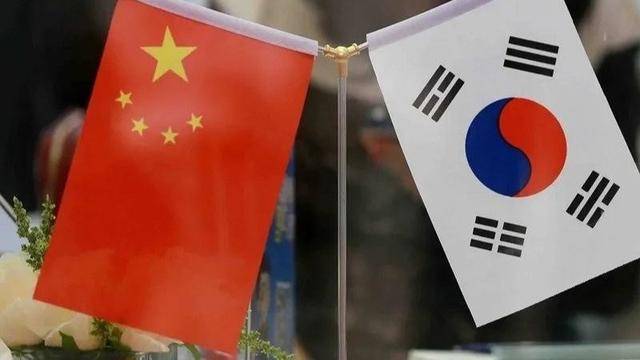
32国抱团!中韩续签4000亿协议,是不是人民币要 “称王” 的信号?
Sou Hu Cai Jing· 2025-12-15 10:48
Group 1 - The recent renewal of the 400 billion yuan currency swap agreement between China and South Korea is seen as a step forward for the internationalization of the renminbi [1][5] - Currency swaps allow central banks to lend each other their currencies, facilitating trade and reducing reliance on the US dollar, which is particularly beneficial for companies engaged in bilateral trade [3][5] - The agreement is part of a broader strategy to enhance the utility and safety of the renminbi, with over 43 countries having signed similar agreements, totaling more than 4 trillion yuan [5][7] Group 2 - The internationalization of the renminbi is viewed as a gradual process, with three key steps: expanding circulation, increasing usability, and ensuring safety of assets [7][8] - The first step involves making the renminbi more widely accepted as a reserve currency, while the second step focuses on opening investment channels for foreign investors [7] - The third step emphasizes the importance of asset security, with central banks increasingly considering renminbi assets as viable options alongside gold and US Treasury securities [8][10] Group 3 - Despite the progress, the dominance of the US dollar remains significant, accounting for over 60% of global reserves, while the renminbi only represents about 2.8% [5][10] - The currency swap agreement enhances China's influence but faces challenges such as geopolitical tensions and capital controls [10] - The practical benefits of using the renminbi for trade have been acknowledged by companies like Samsung and Lotte, which have significant operations in China [10]