杠铃

Search documents
假期运动有讲究,科学锻炼护成长
Xin Lang Cai Jing· 2026-02-18 15:12
Group 1 - The core idea emphasizes the importance of exercise during the winter vacation to help children manage their weight effectively by balancing energy intake and expenditure [1] - Exercise enhances metabolic capacity, increasing the basal metabolic rate and promoting energy consumption from food, which is crucial for weight management [1] - Engaging in strength training can increase muscle mass, which burns more energy than fat, thereby aiding in weight control [1] Group 2 - Recommended activities include strength training to improve muscle strength and bone health, with suggestions for exercises that can be done using body weight or light equipment [2] - Aerobic exercises such as running, swimming, and cycling are encouraged to burn excess fat and improve cardiovascular health, with a recommendation of at least one hour of aerobic activity daily for children aged six and above [2] - Family involvement in physical activities is highlighted as a way to enhance health and strengthen family bonds, with encouragement for children to set personal fitness goals [2] Group 3 - Safety measures before exercising include warming up for 5-10 minutes and performing dynamic activities to activate the body, along with gentle stretching [3] - It is advised to gradually increase exercise intensity and duration, aiming for 60-100 minutes of activity daily, while ensuring adequate rest days [3] - Proper equipment and safe environments are crucial, including supportive footwear and protective gear for certain activities, as well as checking the exercise area for hazards [3] Group 4 - Post-exercise care involves static stretching to relax muscles and rehydration, along with monitoring for any signs of injury that may require medical attention [4] - Immediate medical attention is necessary for severe injuries such as dislocations, fractures, or significant swelling and pain [5]
退休中产,对健身房下手了
36氪· 2025-05-17 11:05
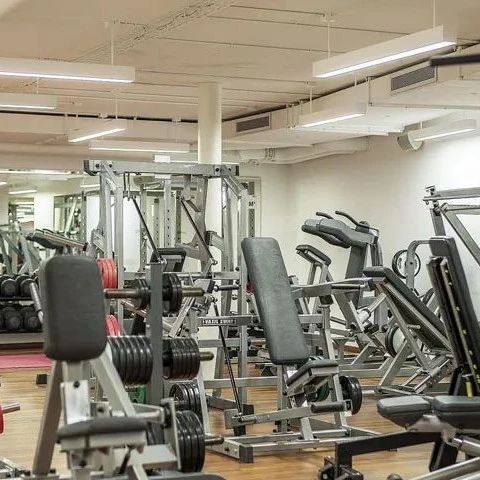
Core Viewpoint - The article highlights the increasing trend of elderly individuals engaging in strength training at gyms, showcasing their impressive physical capabilities and the shift in societal perceptions regarding fitness among older adults [10][11][12]. Group 1: Elderly Fitness Trends - More elderly individuals are entering gyms, transitioning from outdoor parks to indoor fitness environments, and becoming formidable competitors against younger gym-goers [8][10]. - The article describes various elderly individuals, such as a 73-year-old man lifting 60 kg and an 80-year-old woman performing pull-ups, emphasizing their remarkable strength and fitness levels [7][18]. - The elderly are adopting a relaxed and enjoyable approach to fitness, focusing on personal enjoyment rather than strict routines, which contrasts with the more regimented training of younger individuals [22][40]. Group 2: Social Dynamics and Family Involvement - Younger generations are encouraging their parents to join gyms, often participating together to foster a shared interest in fitness and improve their parents' health [45][46]. - The article notes that many elderly individuals are discovering hidden fitness talents, surprising their children with their strength and capabilities [53][54]. - The social aspect of gym attendance for the elderly is highlighted, as they engage in conversations and form connections, creating a community atmosphere within the gym [37][38]. Group 3: Health Benefits and Lifestyle Changes - The article discusses the health benefits of strength training for the elderly, including increased muscle mass and improved overall health, which can help prevent injuries and enhance quality of life [119][124]. - It emphasizes the importance of a balanced diet alongside exercise, with elderly individuals adopting healthier eating habits to support their fitness goals [104][118]. - The narrative illustrates how elderly individuals are redefining their lifestyles, prioritizing fitness and health, and finding joy in their physical activities [134][135].