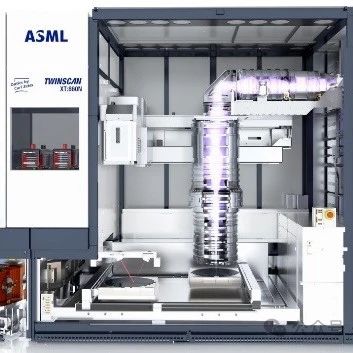
极紫外光刻 (EUV) 设备

Search documents
光刻机,重大突破
半导体芯闻· 2026-02-24 10:08
Core Viewpoint - ASML has developed a method to increase the power of light sources in critical chip manufacturing machines, aiming for a 50% increase in chip production by the end of the decade to maintain its competitive edge against emerging US and Chinese rivals [1][2]. Group 1: Technological Advancements - ASML's new technology aims to enhance the most technically challenging aspects of its machines, increasing the extreme ultraviolet (EUV) light source power from 600 watts to 1000 watts [2]. - The increase in power allows for more chips to be produced per hour, thereby reducing the cost per chip, with machines expected to process approximately 330 silicon wafers per hour by 2030, up from the current 220 wafers [2][3]. - The method involves doubling the number of molten tin droplets to about 100,000 per second and using two smaller laser pulses to form plasma, which is a significant technical achievement [3]. Group 2: Competitive Landscape - ASML is the only manufacturer of commercial EUV equipment, which is essential for advanced chip production by companies like TSMC and Intel [1]. - The US government has collaborated with Dutch leaders to prevent the export of EUV machines to China, prompting China to initiate a national machine manufacturing program [1]. - At least two US startups, Substrate and xLight, have raised hundreds of millions of dollars to develop competing products, with xLight receiving government funding [1].


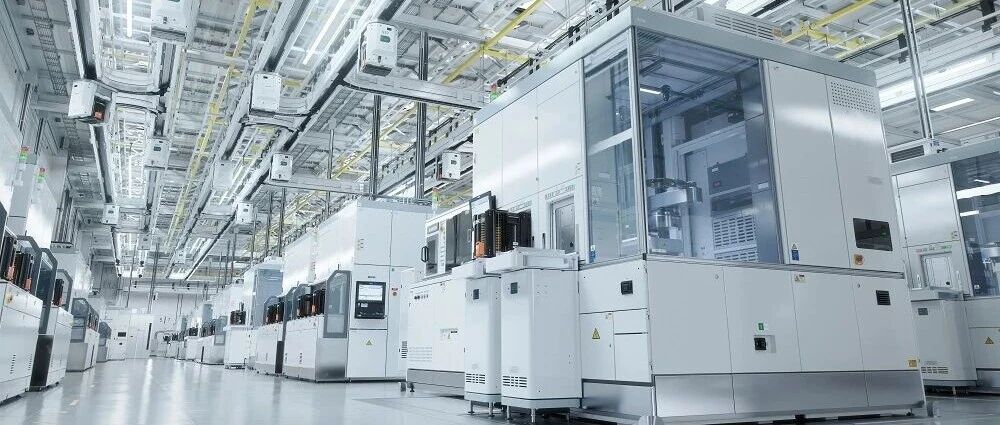
四亿美金光刻机,不如预期
半导体行业观察· 2025-09-30 03:31
Core Viewpoint - ASML Holding is positioned to benefit significantly from the AI boom due to its near monopoly in the specialized lithography machine market for high-performance chips, but faces challenges in ensuring growth beyond 2026 due to limited major customers and high costs of new technology [1][2]. Group 1: ASML's Market Position and Challenges - ASML's stock has increased by 11% over the past year, but concerns arise regarding its ability to maintain growth due to reliance on a few key customers, particularly TSMC, which dominates advanced chip manufacturing [1][2]. - The company is selling a new generation of High NA EUV machines, with costs exceeding $400 million each, but TSMC is hesitant to adopt this technology immediately, preferring to extend the life of existing EUV machines [1][2]. - High NA technology promises to enable more complex chip designs with fewer exposure steps, but the initial costs and operational expenses are significant barriers for customers [1][3]. Group 2: Competitive Landscape and Customer Dynamics - Barclays analyst Simon Koles predicts ASML will ship only three High NA machines in 2026, down from five in 2025, indicating a slow adoption rate until at least 2028 [2]. - Intel is seen as a potential key customer for ASML, having purchased two High NA machines as part of its strategy to regain competitiveness in AI chip manufacturing, but faces financial risks due to its weakened position [2][3]. - The adoption of High NA technology by Intel is not guaranteed, as success depends on various factors including yield learning curves and the ability to attract external customers [3]. Group 3: Industry Trends and Future Prospects - The storage chip sector, which has lagged behind logic chips in adopting advanced lithography technology, may present new opportunities for ASML as companies like SK Hynix and Samsung begin to implement High NA systems for high-bandwidth memory chips [5]. - Recent developments indicate that SK Hynix has assembled a High NA system for mass production, potentially challenging competitors like Samsung and Micron [5]. - ASML's reliance on major customers highlights the risk that having superior technology alone does not guarantee market success, as the industry must be ready to invest in new technologies [5].
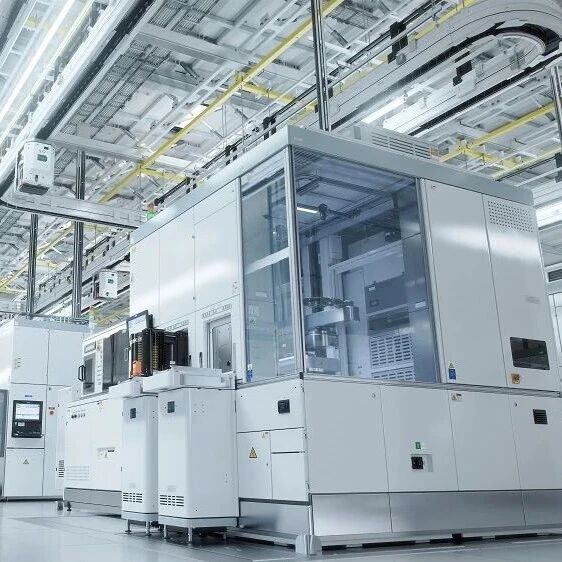
ASML,暴跌9000亿
半导体行业观察· 2025-05-29 01:15
Core Viewpoint - ASML's market value has decreased by over $130 billion (approximately 936.5 billion RMB) in less than a year due to export restrictions to China and uncertainties regarding U.S. tariffs [1][2]. Group 1: Market Impact - ASML's stock price reached a historical high of over €1000 per share in July last year, with a market capitalization of $429.5 billion, but has since fallen to just below $297 billion [1]. - The semiconductor sector has been volatile since last year, primarily due to increased U.S. restrictions on chip exports to China and tariff threats from the Trump administration [1][2]. - All equipment manufacturers in the semiconductor field have seen their stock prices decline, reflecting concerns over U.S. restrictions on China [1]. Group 2: ASML's Position and Future Outlook - ASML is considered a crucial player in the semiconductor supply chain, known for its extreme ultraviolet (EUV) lithography equipment, which is essential for producing advanced chips [2]. - The company has begun shipping its next-generation high numerical aperture (High NA) equipment, but has not been able to ship its most advanced lithography machines to China, limiting potential sales [2]. - ASML's CEO expects that the company's business in China will account for a lower percentage of revenue in 2025 compared to 2023 and 2024 [2]. Group 3: Analyst Sentiment - Despite external pressures, analysts remain relatively optimistic about ASML, with an average target price of slightly above €779, indicating a potential increase of about 17% from the recent closing price [3]. - Wells Fargo analysts expressed optimism about ASML's growth opportunities in 2025 and 2026, highlighting investments from companies like Samsung and Intel in next-generation chip manufacturing tools [3].