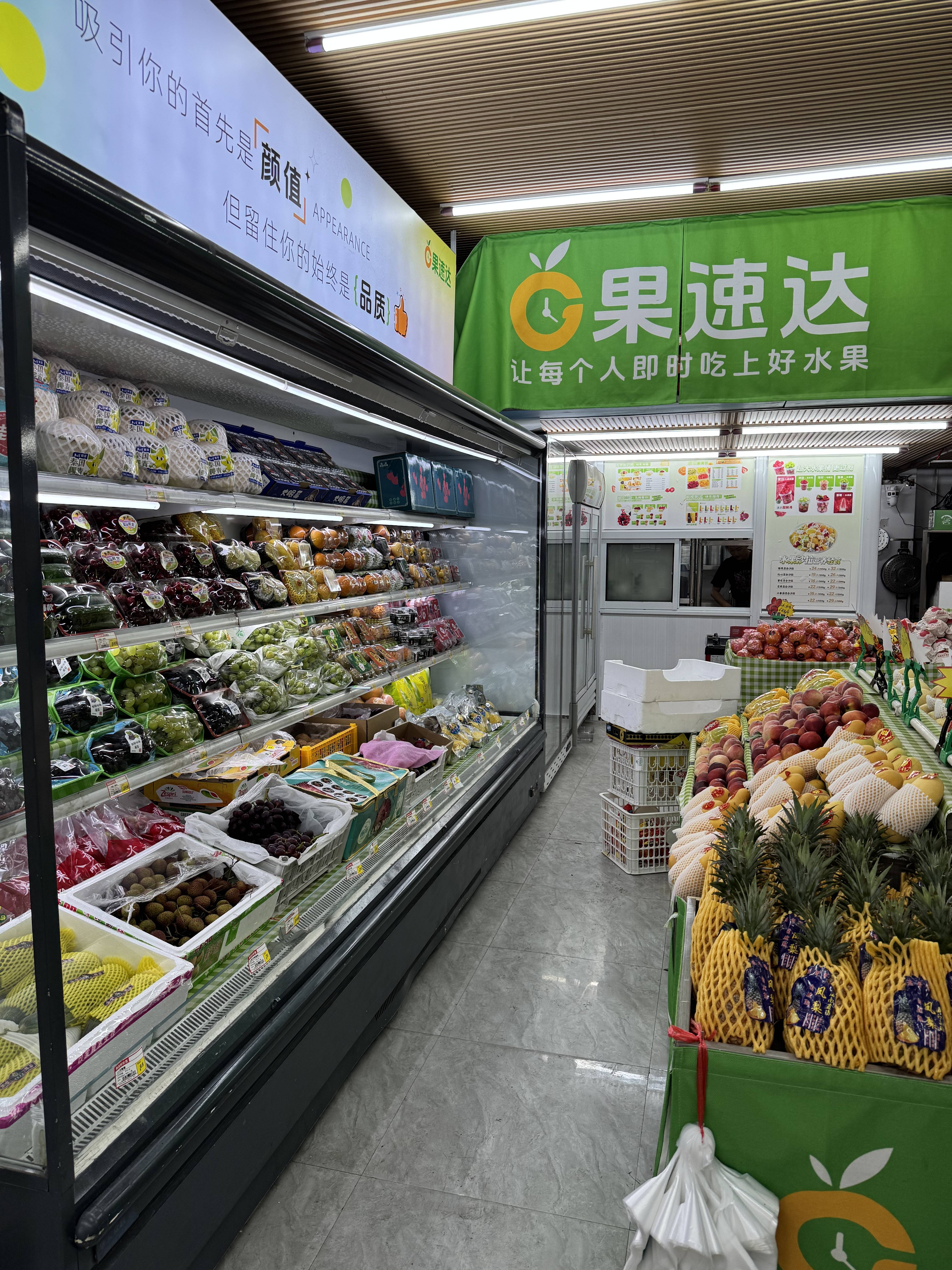
果盘

Search documents
水果店的精细之道:在每日流转中修炼盈利内功
Sou Hu Cai Jing· 2025-12-29 08:46
Core Insights - The article emphasizes that the real challenge for fruit stores begins after opening, focusing on daily operations, loss management, customer engagement, and data utilization to enhance profitability. Group 1: Procurement Management - Procurement is identified as the source of profit, requiring a comprehensive evaluation system that includes quality, stability, loss rate, and logistics costs rather than just price comparison [2] - Establishing fixed partnerships with reputable wholesalers for stable daily fruits and considering collective procurement for specialty or high-priced fruits can balance procurement scale and costs [2] - Understanding the optimal procurement timing for different fruit categories and implementing strict acceptance standards are essential for controlling quality and loss from the source [2] Group 2: Inventory and Loss Control - Inventory management is fundamentally about managing freshness, with the "ABC classification method" being an effective dynamic management tool [7] - A focus on A-class products (top 20% in sales) with daily monitoring and high-frequency replenishment, while B-class products are checked every other day, and C-class products are promoted for clearance [7] - Implementing a "first in, first out" display principle and utilizing refrigeration to create suitable environments for different fruits is crucial [7] - Transforming unsellable but non-perished fruits into value-added products like fruit cuts or juices is a common practice to reduce direct losses [7] - Establishing clear mechanisms for handling near-expiry products, such as evening discounts, can turn losses into customer attraction tools [7] Group 3: Sales and Service Enhancement - The sales strength of a store is reflected in visual displays, product combinations, and customer experience [9] - Upgrading from meeting single needs to providing solutions, such as designing "breakfast combos" or "afternoon tea sets," can effectively increase average transaction value and enhance customer experience [9] - Key service strategies include tiered and personalized offerings, distinguishing between regular and loyal customers, and providing exclusive benefits to the latter to build loyalty [9] Group 4: Data-Driven Decision Making - In modern operations, experience must be calibrated with data, focusing on core metrics like product loss rates, average transaction value fluctuations, and member repurchase rates to identify issues promptly [11] - An intelligent POS system not only facilitates transactions but also accumulates data to analyze peak sales periods and related products, guiding precise inventory and marketing strategies [11] - The value of data-driven operations lies in shifting decision-making from intuition to evidence, continuously optimizing costs and efficiency [11]