数据化运营

Search documents
水果店的精细之道:在每日流转中修炼盈利内功
Sou Hu Cai Jing· 2025-12-29 08:46
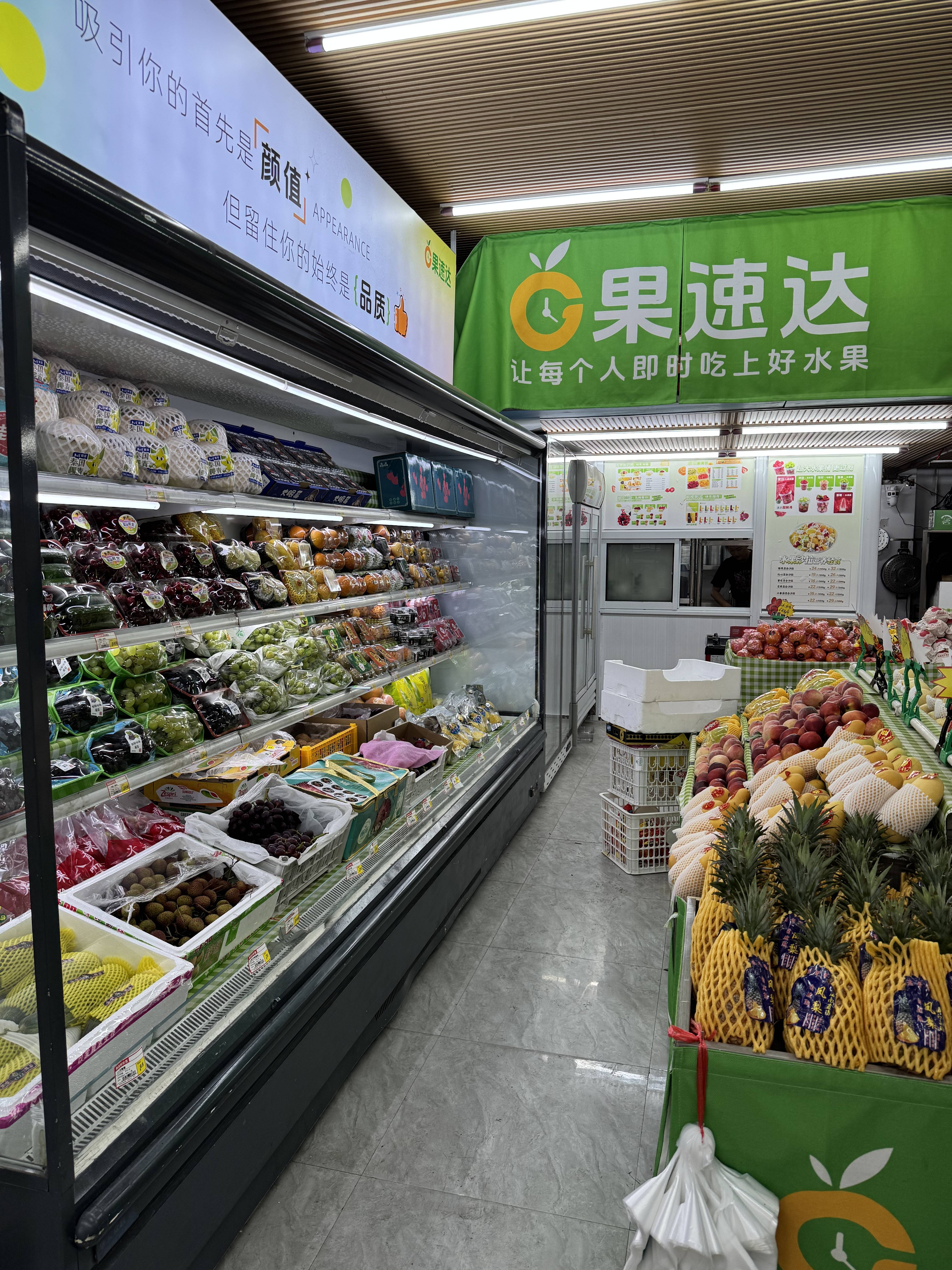
Core Insights - The article emphasizes that the real challenge for fruit stores begins after opening, focusing on daily operations, loss management, customer engagement, and data utilization to enhance profitability. Group 1: Procurement Management - Procurement is identified as the source of profit, requiring a comprehensive evaluation system that includes quality, stability, loss rate, and logistics costs rather than just price comparison [2] - Establishing fixed partnerships with reputable wholesalers for stable daily fruits and considering collective procurement for specialty or high-priced fruits can balance procurement scale and costs [2] - Understanding the optimal procurement timing for different fruit categories and implementing strict acceptance standards are essential for controlling quality and loss from the source [2] Group 2: Inventory and Loss Control - Inventory management is fundamentally about managing freshness, with the "ABC classification method" being an effective dynamic management tool [7] - A focus on A-class products (top 20% in sales) with daily monitoring and high-frequency replenishment, while B-class products are checked every other day, and C-class products are promoted for clearance [7] - Implementing a "first in, first out" display principle and utilizing refrigeration to create suitable environments for different fruits is crucial [7] - Transforming unsellable but non-perished fruits into value-added products like fruit cuts or juices is a common practice to reduce direct losses [7] - Establishing clear mechanisms for handling near-expiry products, such as evening discounts, can turn losses into customer attraction tools [7] Group 3: Sales and Service Enhancement - The sales strength of a store is reflected in visual displays, product combinations, and customer experience [9] - Upgrading from meeting single needs to providing solutions, such as designing "breakfast combos" or "afternoon tea sets," can effectively increase average transaction value and enhance customer experience [9] - Key service strategies include tiered and personalized offerings, distinguishing between regular and loyal customers, and providing exclusive benefits to the latter to build loyalty [9] Group 4: Data-Driven Decision Making - In modern operations, experience must be calibrated with data, focusing on core metrics like product loss rates, average transaction value fluctuations, and member repurchase rates to identify issues promptly [11] - An intelligent POS system not only facilitates transactions but also accumulates data to analyze peak sales periods and related products, guiding precise inventory and marketing strategies [11] - The value of data-driven operations lies in shifting decision-making from intuition to evidence, continuously optimizing costs and efficiency [11]

2025年第51周:服装行业周度市场观察
艾瑞咨询· 2025-12-29 00:05
Group 1: Innerwear Market Overview - The innerwear industry in China is experiencing "micro-growth and strong differentiation" in the first half of 2025, with a slow recovery in the consumer market [3] - The impact of consumption downgrade has led to weak demand in the mid-to-high-end segment, resulting in many companies facing the challenge of "increasing revenue without increasing profit," with net profit declines generally exceeding revenue drops [3][4] - Offline store optimization is significant, with companies like Anlifang closing 50 stores, while online channels are becoming growth engines, as evidenced by Urban Beauty's e-commerce repurchase rate of 25% [3] Group 2: Luxury Brands in China - The global personal luxury goods market is expected to remain stable in 2025, but the Chinese market is projected to contract by 3-5%, making the fourth quarter particularly crucial [5] - Since October, luxury brands have significantly increased their activities in China, including the opening of flagship stores and immersive experience events, with over 38 brands renovating or opening stores [5] Group 3: Brand Dynamics - Biyinlefen is undergoing a transformation to attract younger high-net-worth individuals, moving from a focus on the "golf" demographic, but faces challenges with increased sales expenses and inventory pressure [6] - Hailan Home has initiated an "A+H" dual-platform capital layout to address performance fluctuations and inventory pressures, with online revenue only accounting for 20.54% of total revenue [7] - Lilang is leading the drafting of the first domestic group standards for water-repellent down jackets, aiming to promote functional and professional development in the down jacket market [9] Group 4: Investment in Gold Market - The handmade gold art brand "Linzhao Jewelry" has received a strategic investment of over 100 million yuan, which will be used for product innovation and brand upgrades, emphasizing original design and craftsmanship [10]

结合线下门店,小程序商城开发可以这样提升顾客回头率
Sou Hu Cai Jing· 2025-12-08 05:49
Core Insights - The development of mini-program malls is a crucial breakthrough for offline stores facing low customer retention and high churn rates, enabling a seamless integration of online and offline operations [2][10] - A well-structured mall development plan enhances customer loyalty by creating a robust membership system and offering benefits for both online and offline purchases [2][8] - Engaging interactive features and promotional activities within the mini-program can significantly increase customer engagement and drive foot traffic to physical stores [5][10] Group 1: Integration of Online and Offline - Mini-program malls break down data barriers between online and offline channels, allowing for automatic synchronization of customer purchases and points accumulation [2] - The membership system should include features like point redemption and tiered privileges to foster a sense of belonging among customers [2][8] Group 2: Customer Engagement Strategies - Rich interactive scene designs, such as limited-time flash sales and group buying, can attract customers to engage with the mini-program and visit the store [5] - Fun and practical interactive modules, like daily check-ins for points and lucky draws, can help cultivate habitual use of the mini-program [5] Group 3: Enhanced Customer Experience - The mini-program allows customers to add items to their cart for later purchase, with options for home delivery or in-store pickup, enhancing convenience [8] - After-purchase services, such as reminders and usage guides, can improve customer satisfaction and encourage repeat purchases [8] Group 4: Overall Strategy and Execution - The development of mini-program malls is not merely about creating an online store but about complementing offline operations to enhance customer experience [10] - Companies like Beijing Maimeng Technology offer comprehensive services from planning to execution in mini-program mall development, helping offline stores overcome operational challenges and achieve stable customer growth [10]

企业展厅——以空间叙事构建品牌价值场域
Sou Hu Cai Jing· 2025-08-28 08:47
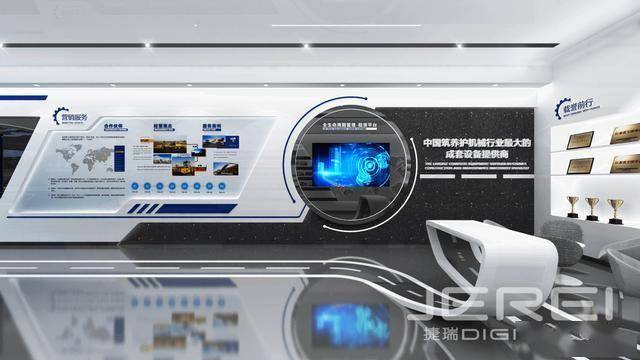
Core Insights - The article emphasizes the transformation of corporate exhibition spaces from traditional display areas to core platforms for brand value expression, highlighting the importance of immersive experiences in conveying corporate strategy, culture, and technology [1] Group 1: Exhibition Hall Design - The design of corporate exhibition halls should prioritize user needs, with a focus on understanding the audience's profile, such as investors, partners, and general visitors [3] - A multi-layered narrative framework is essential for exhibition design, as demonstrated by a renewable energy company's exhibition that uses a storyline of "crisis awakening - technological breakthrough - ecological co-construction" [3] - The integration of technology should serve content expression, avoiding a cold, tech-heavy feel while enhancing product memory through interactive elements [3] Group 2: Spatial Layout Design - Spatial layout is a balance between audience movement and information density, with different layouts suited for varying narrative strengths [4] - The use of vertical space can enhance the perception of area, as seen in a project that utilized mirror ceilings and LED light strips to create a sense of expanded space [4] - Lighting design plays a crucial role in setting the emotional tone of the space, with different color temperatures used to evoke specific feelings in various exhibition areas [4] Group 3: Exhibition Hall Operation - A dynamic updating mechanism is recommended to maintain the vitality of the exhibition hall, combining fixed core exhibits with rotating auxiliary areas [5] - Data-driven operations can enhance space efficiency, utilizing tools like heat maps and eye-tracking to optimize visitor engagement [5] - The evolution of exhibition halls from "physical containers" to "ecological platforms" reflects a shift towards deeper brand-audience interactions, transforming visits into meaningful dialogues [5]