次新二手房

Search documents
今明两年,买房牢记7字真言买小、买旧、不买三,还别不信
Sou Hu Cai Jing· 2026-02-16 03:58
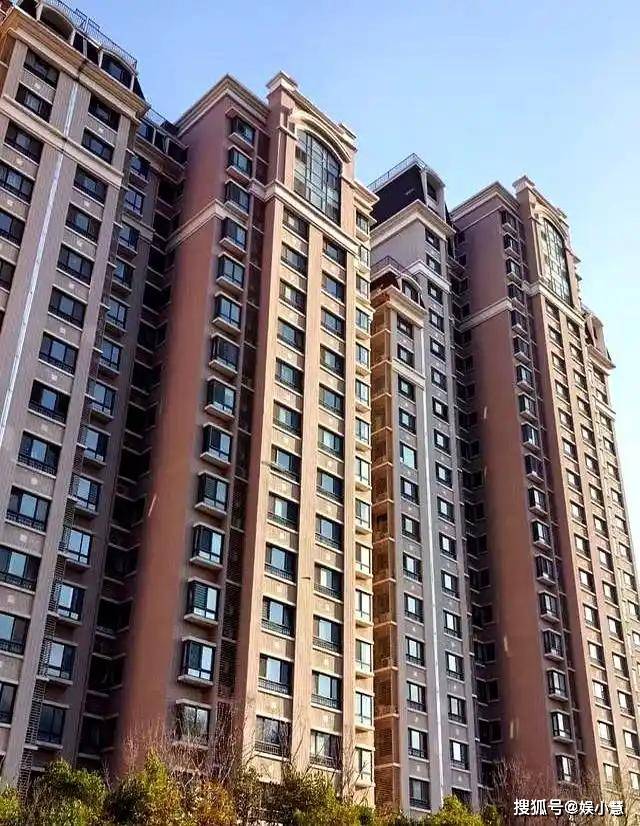
Core Viewpoint - The current real estate market is filled with uncertainty, leading potential homebuyers to feel confused. Industry experts suggest adhering to the seven-character mantra of "buy small, buy old, do not buy three" for making prudent property purchases in the next two years [1] Group 1: Buy Small - For young families with urgent housing needs, it is advisable to prioritize small apartments over larger ones. This is due to three reasons: first, small apartments have a lower total price, which reduces monthly payment pressure; second, expenses related to decoration and furniture are less, making daily cleaning easier; third, costs such as property fees, heating fees, and maintenance funds are lower, alleviating financial burdens [3] Group 2: Buy Old - The term "old" refers to purchasing completed properties or relatively new second-hand homes rather than old houses. The frequent occurrence of unfinished properties has led to significant financial losses for buyers, increasing calls to eliminate pre-sale properties. Buying completed or relatively new homes allows buyers to conduct on-site evaluations of the property, including layout, floor, and quality, thus effectively avoiding risks associated with unfinished buildings and quality issues of pre-sale properties [4] Group 3: Do Not Buy Three - The phrase "do not buy three" indicates avoiding the purchase of old, dilapidated small properties, properties in remote areas, and high-rise buildings [5] Subgroup: Avoid Old and Dilapidated Properties - Old and dilapidated properties are often characterized by outdated construction, with severely aging structural and utility systems. Additionally, these properties typically have poor price resilience, often leading to a situation where they are priced but not sold. Therefore, it is recommended to avoid purchasing old and dilapidated properties in city centers [6] Subgroup: Avoid Remote Area Properties - While properties in suburban areas may have lower total prices, they often lack essential amenities such as hospitals, schools, supermarkets, and public transportation, resulting in a poor living experience. Furthermore, suburban properties exhibit the weakest price resilience, making them the first to suffer in the event of a price decline. Caution is advised when considering properties in remote areas [7]


中介说漏嘴,今明两年买房,牢记7个字:“买旧、买大、不买三”
Sou Hu Cai Jing· 2025-09-01 19:32
Core Viewpoint - The article emphasizes the importance of buying a home that provides a sense of security and happiness, advocating for purchasing existing or slightly used properties rather than new developments that may carry risks [1] Group 1: Buying Strategy - The article suggests the strategy of "buy old, buy big, and avoid three types" to navigate the housing market effectively [3] - It highlights the advantages of purchasing existing homes or newer second-hand properties, which offer more reliability compared to off-plan properties [3][6] - The article warns against the risks of buying off-plan properties, which may lead to delays and uncertainties in possession [9][12] Group 2: Property Types to Avoid - It identifies three types of properties to avoid: old and dilapidated homes, apartments, and illegal constructions [24] - Old properties, particularly those over twenty years old, are prone to maintenance issues and may lack modern amenities, making them difficult to sell later [26] - Apartments are criticized for high communal costs and poor living conditions, while illegal constructions pose legal risks of demolition [28][30] Group 3: Long-term Considerations - The article stresses the importance of choosing larger homes to accommodate future family needs, thus avoiding the hassle of moving again [15][23] - It notes that larger homes tend to retain value better in fluctuating markets, making them a safer investment [20] - The article concludes by encouraging buyers to focus on the essence of properties rather than being swayed by flashy marketing [33]