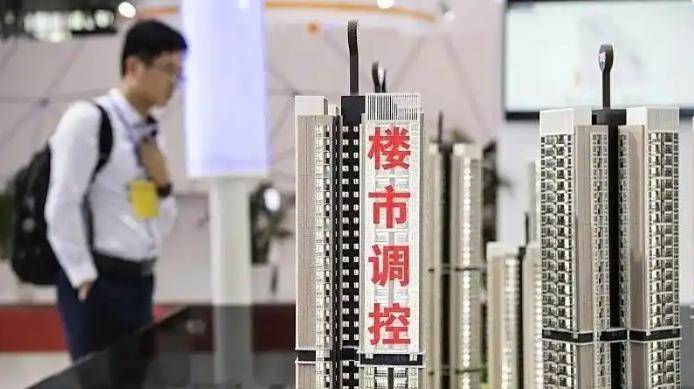
买大

Search documents
2026年买房如果不想被坑,牢记这7字:“买旧、买大、不买三”!
Sou Hu Cai Jing· 2025-12-23 23:11
Core Viewpoint - The article emphasizes the importance of making informed decisions when purchasing a home, particularly for first-time buyers, advocating for the strategy of "buying old, buying big, and avoiding three types of properties" to ensure stability and quality of life [1][31]. Group 1: Buy Old - Prioritize purchasing mature properties that are already occupied, as they tend to sell quickly and are less risky compared to new developments [3][5]. - The advantages of buying existing homes include reduced risk, as the property is already built and available for immediate inspection, eliminating concerns about construction delays or developer issues [5][7]. - Mature properties allow buyers to assess living conditions directly, including factors like lighting, ventilation, and neighborhood noise, which are often misrepresented in new developments [9][10]. Group 2: Buy Big - Buyers should consider purchasing larger homes within their financial means to avoid future inconveniences associated with smaller spaces [15][21]. - A larger home provides more organization and reduces clutter, leading to a more comfortable living environment [17][23]. - Buying a larger home upfront can save costs related to future property transactions, such as agent fees and taxes, and minimizes the stress of moving [21][24]. Group 3: Avoid Three Types of Properties - It is advisable to avoid purchasing very old homes due to potential issues with aging infrastructure, which can lead to frequent repairs and lower resale value [25][27]. - Non-core area high-rise buildings should be avoided as they often come with increased maintenance challenges and a declining living experience over time [27][29]. - Properties from small developers, particularly those sold as off-plan, carry higher risks of project delays or failures, which can severely impact buyers' financial stability [29][31].

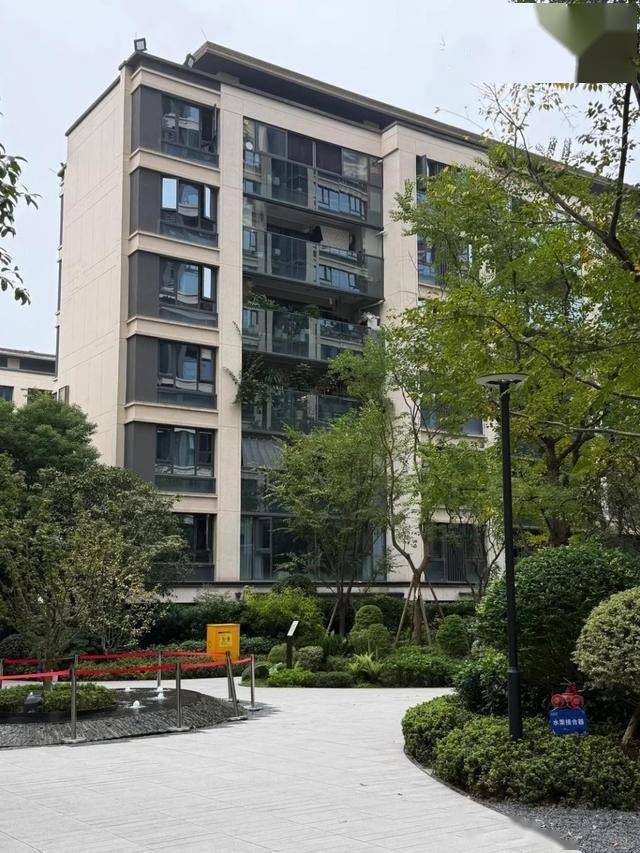
中介说漏嘴,今明两年买房,牢记7个字:“买旧、买大、不买三”
Sou Hu Cai Jing· 2025-09-01 19:32
Core Viewpoint - The article emphasizes the importance of buying a home that provides a sense of security and happiness, advocating for purchasing existing or slightly used properties rather than new developments that may carry risks [1] Group 1: Buying Strategy - The article suggests the strategy of "buy old, buy big, and avoid three types" to navigate the housing market effectively [3] - It highlights the advantages of purchasing existing homes or newer second-hand properties, which offer more reliability compared to off-plan properties [3][6] - The article warns against the risks of buying off-plan properties, which may lead to delays and uncertainties in possession [9][12] Group 2: Property Types to Avoid - It identifies three types of properties to avoid: old and dilapidated homes, apartments, and illegal constructions [24] - Old properties, particularly those over twenty years old, are prone to maintenance issues and may lack modern amenities, making them difficult to sell later [26] - Apartments are criticized for high communal costs and poor living conditions, while illegal constructions pose legal risks of demolition [28][30] Group 3: Long-term Considerations - The article stresses the importance of choosing larger homes to accommodate future family needs, thus avoiding the hassle of moving again [15][23] - It notes that larger homes tend to retain value better in fluctuating markets, making them a safer investment [20] - The article concludes by encouraging buyers to focus on the essence of properties rather than being swayed by flashy marketing [33]
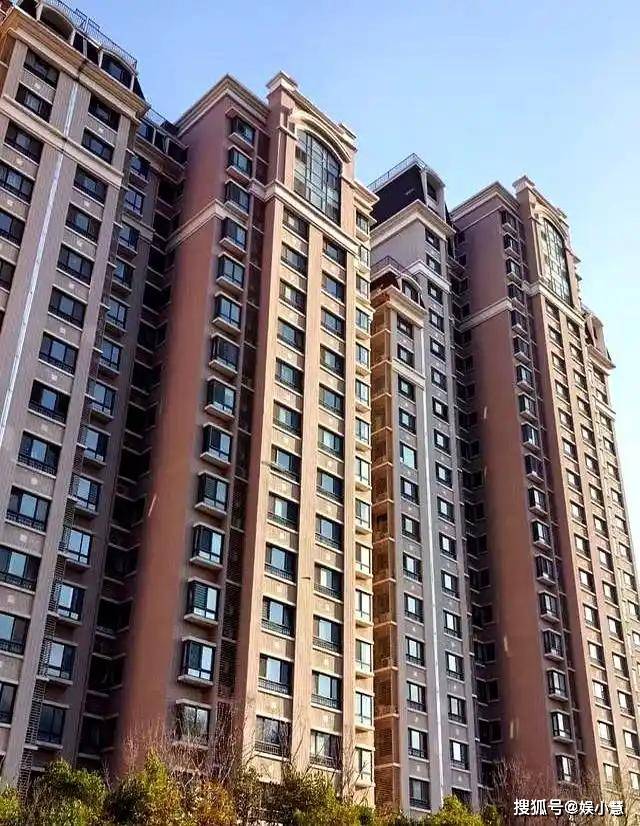
近两年买房需牢记口诀:可以买大买少,不买高,这是内行人经验!
Sou Hu Cai Jing· 2025-08-17 21:06
Core Viewpoint - The article emphasizes the importance of the mantra "buy big, buy less, don't buy high" for homebuyers in the current real estate market, highlighting the changing dynamics and the need for strategic investment decisions [1][3][10]. Group 1: Market Trends - By the second quarter of 2025, 43 out of 70 major cities in China are expected to see a month-on-month decline in new residential property prices, with 48 cities experiencing a year-on-year drop [1]. - In 2024, the average price of large homes (over 120 square meters) in Beijing increased by 4.2%, while smaller homes (under 90 square meters) saw a decrease of 2.1% [2]. - A report indicates that small apartments in first-tier cities take an average of 18.3 months to sell, compared to just 9.7 months for larger units [2]. Group 2: Investment Strategies - The principle of "buy big" suggests investing in larger units and communities, as they tend to retain value better in the current market [2][5]. - "Buy less" advises potential buyers to consolidate their funds to purchase a single, quality property rather than multiple smaller ones, as the likelihood of default on loans is significantly higher for those with multiple properties [5][13]. - The "don't buy high" principle stresses the importance of evaluating property prices against income and rental yields, with a healthy price-to-income ratio being below 8 times [7][8]. Group 3: Financial Considerations - The average mortgage interest rate for first-time homebuyers in 2025 is projected to be 3.85%, a decrease of 0.4 percentage points from 2023 [5][16]. - The article warns that properties priced significantly above their market value, particularly new homes compared to second-hand homes, pose a risk, with new homes often being 25% to 30% more expensive [8][9]. Group 4: Demographic Insights - Population trends indicate that urban areas with strong economic foundations are likely to see property value appreciation, while areas experiencing population decline may face significant price drops [8][10]. - The article highlights that educational resources are becoming more evenly distributed, leading to a decrease in the premium associated with school district properties [9]. Group 5: Practical Advice - Buyers are encouraged to prioritize properties in well-connected areas with comprehensive amenities, as these tend to appreciate more in value [14][15]. - The article suggests that first-time buyers should consider bank mortgage loans over alternative financing options due to lower interest rates [16].

今明两年,买房牢记7个字:“买大,买少,不买高”,保证不会错!
Sou Hu Cai Jing· 2025-08-07 23:02
Core Insights - The Chinese real estate market is undergoing a significant transformation, moving from a rapid growth phase to a more rational and stable phase by 2025 [1] - Key strategies for homebuyers in this new environment include "buy big, buy less, and don't buy high," which reflects a deeper market insight [1] Market Trends - In Q1 2025, new residential prices in 70 major cities decreased by 0.8% month-on-month, while second-hand residential prices fell by 1.2% [3] - In 2024, the total sales area of commercial housing dropped by 5.3% year-on-year, and sales revenue decreased by 7.8% [3] - Real estate development investment saw a year-on-year decline of 9.6%, indicating that the market is still in an adjustment phase [3] Pricing and Affordability - The advice "don't buy high" warns buyers against overpriced properties that do not align with local income levels and regional development potential [4] - The national average housing price-to-income ratio was 9.8:1 at the beginning of 2025, with some second-tier cities reaching as high as 18:1, significantly above the internationally recognized reasonable range [4] - Urbanization rate in China is projected to reach 66.2% in 2024, with population inflow concentrated in 19 city clusters, making these areas more attractive for investment [4] Property Size and Community - The recommendation to "buy big" aligns with the growing trend of remote work, with 85.3% of buyers preferring larger homes [6] - The average living space for a three-person household in first-tier cities increased from 87 square meters in 2020 to 98 square meters in 2025 [6] - Larger homes show stronger price resilience, with properties over 140 square meters experiencing only a 3.2% price drop compared to an 8.7% drop for homes under 90 square meters [6] Investment Quality and Financial Management - The strategy "buy less" emphasizes the importance of quality over quantity, as there are currently 65 million vacant homes in China, leading to a vacancy rate of 16.8% [8] - Holding multiple properties incurs high costs and liquidity risks, with the average selling period for owners of multiple properties in second-tier cities reaching 127 days [8] - Recommendations for different income groups include varying down payment ratios and property types to ensure financial safety and avoid excessive debt [8] Conclusion - The Chinese real estate market has shifted from a broad increase to structural opportunities, with savvy buyers focusing on living quality and rational investment decisions [9] - The strategies of "buy big, buy less, and don't buy high" encourage a return to the residential nature of properties, steering clear of speculative investments [9]