毛巾等

Search documents
支援香港大埔救灾,京东、滴滴、联想等大厂捐款捐物
2 1 Shi Ji Jing Ji Bao Dao· 2025-11-27 11:40
Core Points - A significant fire incident occurred in Hong Kong's Tai Po Wang Fuk Court, prompting a strong response from major internet companies like JD.com, Didi, and Lenovo, who provided financial and material support for relief efforts [1] Group 1: Donations and Support - Didi made an initial donation of 10 million HKD for emergency rescue and humanitarian aid, with plans for ongoing support based on the progress of the disaster response [1] - Lenovo Hong Kong also donated 10 million HKD to assist affected residents with emergency rescue, supply of living materials, medical aid, and subsequent recovery efforts [1] - JD.com, through its subsidiary Hong Kong Jiabao Supermarket, was the first company to deliver rescue supplies to the site, including essential items like bottled water, snacks, and instant noodles, with the first batch dispatched on the night of the fire [1] Group 2: Logistics and Emergency Response - JD Logistics activated its emergency plan immediately, forming a response team to utilize its extensive warehousing network in the Greater Bay Area for rapid deployment of essential supplies such as bedding, hygiene products, and food items [1] - Didi's public welfare rescue initiative has partnered with a Shenzhen-based rescue team to be ready for action under the guidance of relevant authorities, contributing to post-disaster rescue and support efforts [1]



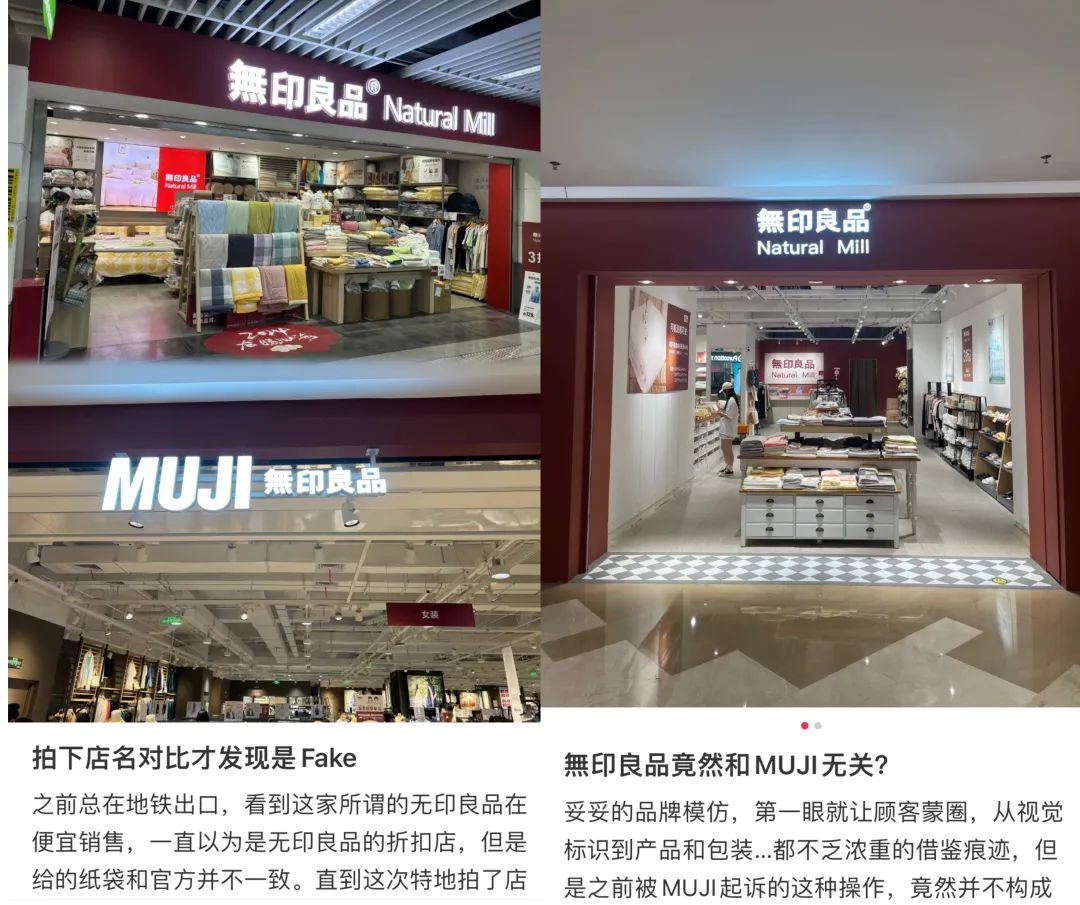
两个无印良品,傻傻分不清
3 6 Ke· 2025-07-24 08:45
Core Viewpoint - There are two brands named "无印良品" (MUJI), one from Japan and one from China, leading to confusion among consumers due to their similar branding and product offerings [1][4][6]. Brand Comparison - The Japanese MUJI brand is known for its minimalist design and offers a wide range of products including clothing, home goods, and food, while the Chinese brand focuses primarily on bedding and towels [4][5]. - The pricing strategy differs significantly; Japanese MUJI targets the middle-class market with higher prices, while the Chinese brand adopts a more affordable pricing model [5][6]. Trademark Dispute - The trademark dispute between the two brands has been ongoing for 24 years, with the Chinese brand holding a legally registered trademark that predates the Japanese brand's entry into the market [7][8]. - The Supreme People's Court of China recently upheld the validity of the Chinese brand's trademark, which the Japanese brand expressed regret over, stating it would not affect their overall operations in China [7][10]. - The conflict began in 1999 when the Japanese brand failed to register a key trademark category, leading to the Chinese brand's registration in 2000 [8][10].