毛绒玩具挂件“贝儿”

Search documents
当AI学会造假:实测一张“魔改图”,如何打败商家
Xin Jing Bao· 2025-12-03 01:23
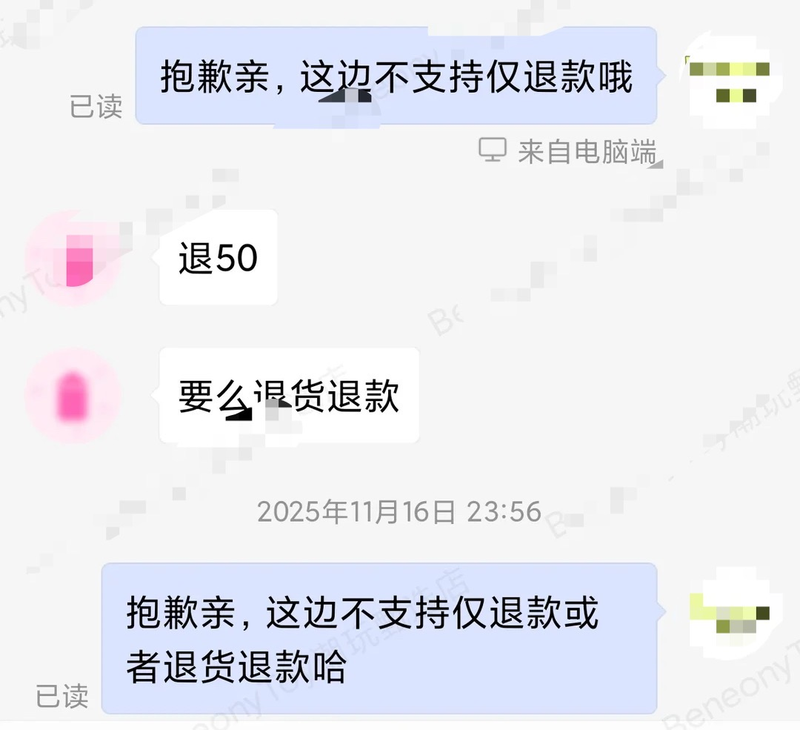
Core Viewpoint - The misuse of AI technology for generating fake damage images has emerged as a significant issue in e-commerce, leading to fraudulent refund requests and undermining trust in online transactions [1][2][16]. Group 1: Incidents of Fraud - A seller encountered a refund request accompanied by an AI-generated image of a damaged plush toy, which the buyer claimed was defective [1][2]. - Another seller identified an AI-generated image used to request a refund for a broken pet bowl, noting that the damage depicted was unrealistic [6]. - A clothing seller faced a similar situation where a buyer provided AI-generated images to claim a refund for a shirt with alleged damage [7]. Group 2: Seller Responses and Detection - Many sellers have developed strategies to identify AI-generated images, such as looking for inconsistencies in damage patterns and requesting multiple angles of evidence [8][6]. - Sellers reported that they could often recognize AI-generated images due to their unrealistic characteristics, leading to direct refusals of refund requests [6][8]. - Some sellers have successfully appealed against fraudulent refund claims, recovering funds after proving the images were manipulated [4][3]. Group 3: E-commerce Platform Responses - Major e-commerce platforms like JD, Pinduoduo, and Douyin are implementing measures to combat AI-generated fraud, including enhanced verification processes and AI detection capabilities [16][17]. - Platforms are adjusting their refund policies to limit automatic approvals for low-value claims, requiring more substantial evidence from consumers [16][19]. - The introduction of AI detection tools is expected to help platforms identify fraudulent claims more effectively by the end of the year [16][17]. Group 4: Legal and Regulatory Considerations - The use of AI to create fake evidence for refunds is considered a serious offense, potentially leading to civil and criminal liabilities under existing laws [15][19]. - Legal experts emphasize the need for clearer regulations regarding malicious refund practices and the enforcement of penalties for those who exploit AI technology for fraud [15][19]. - The recent implementation of guidelines for identifying AI-generated content aims to establish a framework for accountability in e-commerce transactions [15]. Group 5: Industry Implications - The rise of AI-generated refund fraud poses a threat to the integrity of the e-commerce ecosystem, potentially leading to increased prices and stricter return policies for consumers [18][19]. - The ongoing challenges of distinguishing between genuine and AI-manipulated images may erode consumer trust and disrupt market dynamics [18][19]. - Collaborative efforts among regulators, platforms, and sellers are essential to create a robust defense against fraudulent activities in the e-commerce sector [18].