气垫登陆艇

Search documents
日本曾定3套“夺岛”方案,细节曝光
第一财经· 2025-11-23 07:44
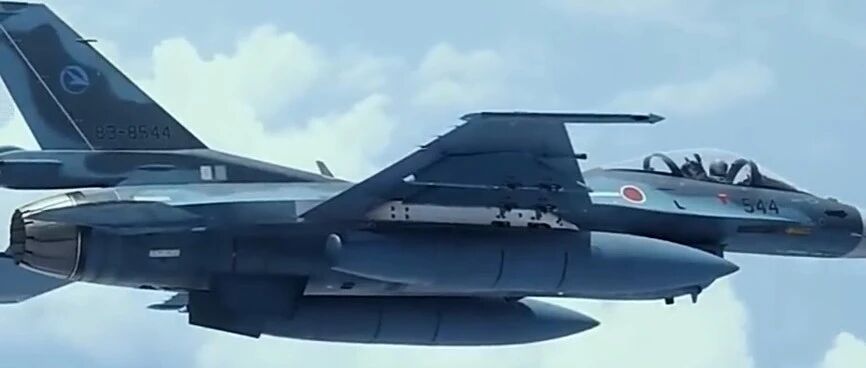
Core Viewpoint - Japan's Self-Defense Forces (SDF) are enhancing military deployments near the Taiwan Strait, with three operational plans aimed at potential conflicts in the region, raising concerns about regional stability [3][4]. Group 1: Military Strategies - The first operational plan involves the "Amphibious Rapid Deployment Brigade" executing a blitzkrieg strategy, with an expansion to 3,000 personnel and utilizing various naval vessels for rapid troop deployment [4]. - The second plan focuses on large-scale amphibious operations, with the SDF aiming to establish a "Maritime Transport Group" by 2027, consisting of 10 transport vessels to project elite forces and conduct sustained military logistics [4]. - The third strategy emphasizes missile firepower suppression and blockade, utilizing advanced anti-ship and hypersonic missiles to support the rapid deployment of forces [5]. Group 2: Limitations and Challenges - The SDF faces significant challenges in securing air superiority, as its F-15 and F-2 aircraft are outdated, and the limited number of F-35A jets are insufficient to protect naval operations [6]. - The SDF's island seizure forces are vulnerable to long-range strikes from various missile systems, indicating a high risk of failure during deployment [6].

日本曾定3套“夺岛”方案,细节曝光
财联社· 2025-11-23 07:44
Core Viewpoint - Japan's Self-Defense Forces are enhancing military deployments near the Taiwan Strait in response to provocative remarks by Prime Minister Sanae Takaichi, with plans established as early as 2021 for military operations in the event of a Taiwan crisis [1][2]. Group 1: Military Strategies - The Japan Ground Self-Defense Force has developed three military strategies focused on the Taiwan Strait, utilizing the "Southwest Islands" as operational bases [2]. - The first strategy involves the "Amphibious Rapid Deployment Brigade" executing a blitzkrieg, with the brigade expanded to 3,000 personnel and utilizing various naval vessels for rapid troop deployment [2]. - The second strategy is a large-scale amphibious operation, with plans to integrate existing forces into a new special operations brigade and establish a "Maritime Transport Group" by 2027, equipped with 10 transport vessels [2]. - The third strategy focuses on missile fire suppression and blockade, employing advanced anti-ship and hypersonic missiles to support the amphibious operations [2]. Group 2: Limitations and Challenges - The Japan Self-Defense Forces face significant challenges in achieving air superiority, as their F-15 and F-2 aircraft are outdated, and the limited number of F-35A jets do not provide adequate protection for naval operations [3]. - The potential for long-range firepower to disrupt Japanese amphibious forces during mobilization poses a critical risk, indicating that any deployment could lead to failure due to overwhelming enemy firepower [3].

日本3套“夺岛”方案曝光
券商中国· 2025-11-23 05:46
Core Viewpoint - Japan's Self-Defense Forces are enhancing military deployments near the Taiwan Strait, with three operational plans aimed at potential conflicts in the region, raising concerns about regional stability [1][2]. Group 1: Military Strategies - The first operational plan involves the "Amphibious Rapid Deployment Brigade" executing a blitzkrieg strategy, with an expansion to 3,000 personnel and utilizing various naval vessels for rapid troop deployment [2]. - The second plan focuses on large-scale amphibious operations, with Japan's Ground Self-Defense Force set to establish a "Maritime Transport Group" by 2027, integrating existing forces into a new special operations brigade [2]. - The third strategy emphasizes missile firepower suppression and blockade, utilizing advanced missile systems to support the rapid deployment of forces [2]. Group 2: Limitations and Challenges - Japan's Self-Defense Forces face significant challenges in securing air superiority, as their current fighter jets are outdated and insufficient in number, limiting their ability to protect naval operations [3]. - The potential for long-range firepower to disrupt troop movements poses a critical risk, as any deployment could be met with overwhelming fire from advanced missile systems [3].