夺岛作战

Search documents
美军夺岛,美伊谈判才会有“实质性”进展
经济观察报· 2026-03-30 10:54
Group 1 - The core viewpoint of the article is that the U.S. military's operation to seize islands has three steps: troop assembly, target locking, and execution of operations, with the first step not yet completed [1][4] - As of March 28, the first troop from Japan has arrived in the Middle East, while a second troop from the U.S. is still en route, and the 82nd Airborne Division has received orders but has not yet mobilized [4] - The total number of U.S. troops deployed around Iran may reach 17,000, indicating a significant military buildup [4] Group 2 - The second step, target locking, remains uncertain, with experts noting that even Trump has not clearly defined which islands to seize, whether it be the oil-exporting base of Khark Island or islands near the Strait of Hormuz [4] - The third step, execution of operations, poses significant challenges for the U.S. military, particularly in navigating the narrow Strait of Hormuz and establishing air and naval superiority around the targeted islands [5] - The risks associated with the operation are high, as U.S. forces would be concentrated and vulnerable to Iranian missile attacks, raising questions about the sustainability of holding any captured islands [5] Group 3 - Despite large-scale protests in the U.S. and Israel against military action, it is believed that these protests will not deter Trump's intentions to strike Iran and attempt to seize relevant islands [5][6] - Current conditions suggest that the operation to seize islands is likely to occur, but the timing remains uncertain [6]

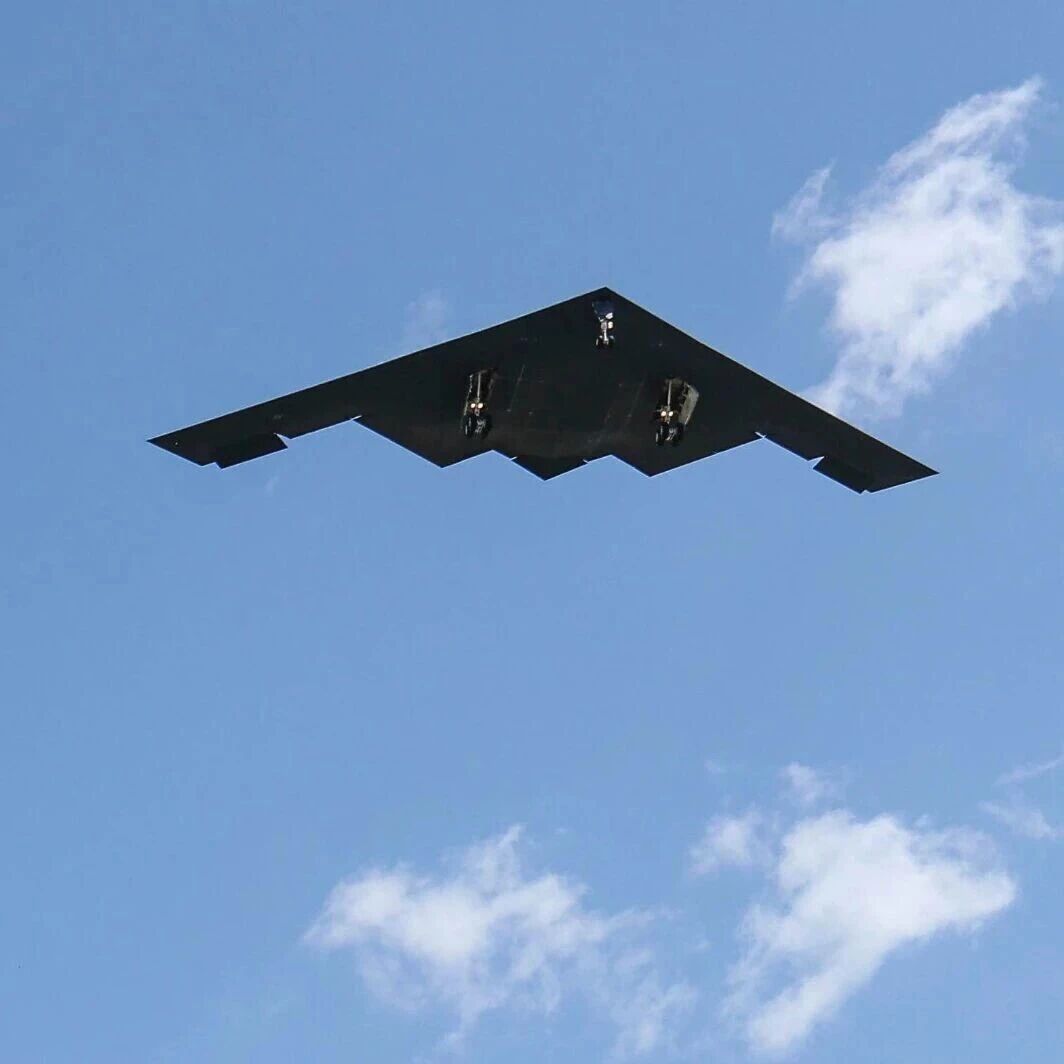
美军夺岛作战呼之欲出
经济观察报· 2026-03-23 11:31
Core Viewpoint - The article predicts that the U.S. military is likely to conduct an island seizure operation, specifically targeting Khark Island, which is crucial for Iran's oil exports, thereby controlling a significant economic lever [1][7][8]. Group 1: Military Operations - The U.S. military's amphibious forces are expected to arrive soon, indicating an imminent island seizure operation [4]. - The USS Ford, the largest and most advanced U.S. aircraft carrier, has faced two significant incidents during its deployment in the Middle East, raising concerns about crew morale and operational effectiveness [2][3]. - The U.S. Central Command has recently destroyed a fortified underground facility in Iran, which housed anti-ship cruise missiles and other military assets, thereby reducing Iran's threat to the Strait of Hormuz [5]. Group 2: Strategic Objectives - The U.S. aims to achieve two main objectives before the arrival of the amphibious forces: first, to diminish Iran's military control over the Strait of Hormuz [4][6]. - The second objective is to ensure stability in the international energy market by preventing attacks on Iranian oil facilities and maintaining open navigation in the Strait of Hormuz [6]. Group 3: Economic Implications - Controlling Khark Island would effectively allow the U.S. to "turn off" Iran's oil export capabilities, which represents a significant economic interest [1][8]. - The article suggests that the coming weeks will see intensified U.S. and Israeli airstrikes on Iranian military positions along the Strait of Hormuz [8].
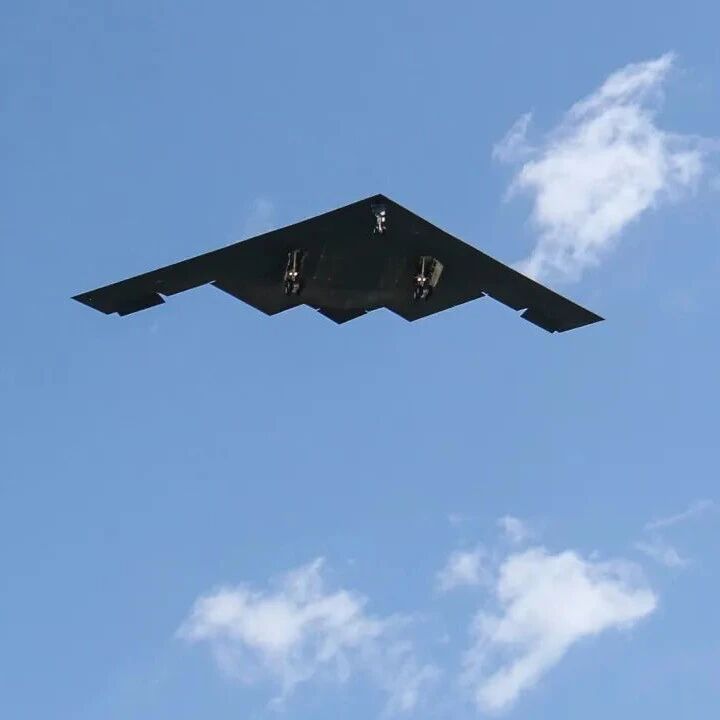
警惕!美日“铁拳”联合演习范围将扩大,美媒炒作“针对中国”
Huan Qiu Shi Bao· 2026-01-28 23:02
Core Viewpoint - The Japan-U.S. "Iron Fist" joint military exercise will expand its scope this year, taking place in multiple locations in Japan, including the "Southwest Islands," with several new elements introduced [1][2]. Group 1: Exercise Details - The "Iron Fist" exercise is scheduled from February 11 to March 9, 2026, and aims to enhance interoperability between U.S. and Japanese forces to address potential regional conflicts [1]. - Approximately 800 U.S. Marine Corps personnel, 2,100 U.S. Navy sailors, and around 2,000 members of the Japan Ground Self-Defense Force and Maritime Self-Defense Force will participate [1]. - The exercise will take place at 19 locations, an increase of three from the previous year, and will include the first participation of the newly formed "Water and Land Mobility Group" [2]. Group 2: Phases of the Exercise - The exercise will be conducted in two phases: the first phase from February 11 to 26, focusing on joint command training, ground operations, live-fire exercises, engineering, and logistical medical support [2]. - The second phase, from February 27 to March 9, will be larger in scale, incorporating support from both sides' naval vessels, including three large landing ships from the U.S. Navy and various Japanese naval assets [2]. Group 3: Equipment and Capabilities - The exercise will feature advanced equipment such as V-22 Osprey tiltrotor aircraft, CH-47 transport helicopters, AH-64D attack helicopters, AAV-7 amphibious assault vehicles, and drones to enhance Japan's amphibious operational capabilities [2]. - For the first time, Japanese V-22 Ospreys will operate alongside U.S. Marine Corps Ospreys, further strengthening U.S.-Japan collaborative operations [3]. - The Japanese "ScanEagle-2" reconnaissance drone will also participate for the first time, expanding its operational range and enhancing intelligence-gathering capabilities [3].
日本曾定3套“夺岛”方案,细节曝光
财联社· 2025-11-23 07:44
Core Viewpoint - Japan's Self-Defense Forces are enhancing military deployments near the Taiwan Strait in response to provocative remarks by Prime Minister Sanae Takaichi, with plans established as early as 2021 for military operations in the event of a Taiwan crisis [1][2]. Group 1: Military Strategies - The Japan Ground Self-Defense Force has developed three military strategies focused on the Taiwan Strait, utilizing the "Southwest Islands" as operational bases [2]. - The first strategy involves the "Amphibious Rapid Deployment Brigade" executing a blitzkrieg, with the brigade expanded to 3,000 personnel and utilizing various naval vessels for rapid troop deployment [2]. - The second strategy is a large-scale amphibious operation, with plans to integrate existing forces into a new special operations brigade and establish a "Maritime Transport Group" by 2027, equipped with 10 transport vessels [2]. - The third strategy focuses on missile fire suppression and blockade, employing advanced anti-ship and hypersonic missiles to support the amphibious operations [2]. Group 2: Limitations and Challenges - The Japan Self-Defense Forces face significant challenges in achieving air superiority, as their F-15 and F-2 aircraft are outdated, and the limited number of F-35A jets do not provide adequate protection for naval operations [3]. - The potential for long-range firepower to disrupt Japanese amphibious forces during mobilization poses a critical risk, indicating that any deployment could lead to failure due to overwhelming enemy firepower [3].

日本3套“夺岛”方案曝光
中国基金报· 2025-11-23 06:33
Group 1 - The article discusses Japan's military preparations in response to tensions in the Taiwan Strait, particularly focusing on the deployment of the Self-Defense Forces on the southwestern islands [1][2]. - Three military strategies have been outlined for potential operations in the Taiwan Strait: a rapid assault by the "Amphibious Rapid Deployment Brigade," large-scale amphibious operations, and missile fire suppression and blockade [2]. - The "Amphibious Rapid Deployment Brigade" has expanded to 3,000 personnel, with plans to utilize various naval vessels for quick troop deployment and island seizure [2]. Group 2 - The Japanese Ground Self-Defense Force plans to establish a "Maritime Transport Group" by 2027, which will include 10 transport vessels to enhance military logistics and support operations in the southwestern direction [2]. - The article argues that Japan's military strategies may not succeed due to the inability to secure air superiority, as the Air Self-Defense Force's capabilities are considered outdated compared to advanced enemy aircraft [3]. - Additionally, the article highlights that Japan's forces would be vulnerable to long-range strikes during mobilization, which could lead to failure in any attempted operations [3].