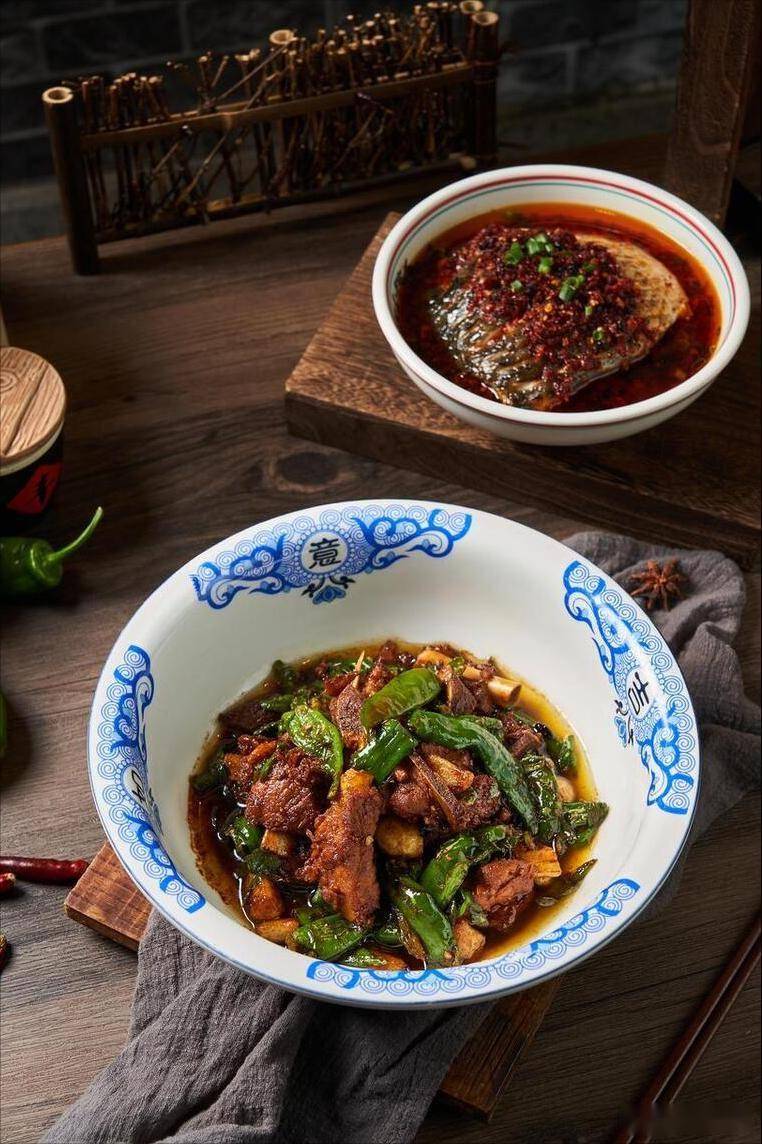
水煮牛肉

Search documents
“世界尽头”的中餐厅:家乡味道,温暖南极旅途
Xin Lang Cai Jing· 2026-01-01 07:30
Core Insights - The article highlights the growing popularity of a Chinese restaurant named "Xiao Yan" in Punta Arenas, Chile, which serves as a stop for tourists heading to Antarctica, particularly Chinese visitors during the Antarctic tourism season from November to March [1][2]. Group 1: Restaurant Operations - The restaurant operates a "dual menu" system to cater to both local Chileans and Chinese tourists, offering a fusion menu that aligns with local tastes and a classic Chinese menu featuring traditional dishes [3][5]. - The restaurant extends its operating hours during the tourist season to accommodate the influx of customers, sometimes staying open until midnight [2]. Group 2: Ingredient Sourcing and Challenges - Due to its remote location, sourcing ingredients for the restaurant poses challenges, with many Chinese condiments and ingredients needing to be procured from Santiago and flown back to Punta Arenas [5]. - The restaurant also hand-makes tofu, reflecting the effort to maintain authentic flavors despite ingredient limitations [5]. Group 3: Customer Experience - The restaurant has received positive reviews from tourists, with customers expressing satisfaction with the authentic taste of home-cooked Chinese meals, which they find particularly valuable while abroad [6]. - The owner emphasizes the emotional connection to familiar flavors, noting that the distance from home makes these tastes even more precious [6].

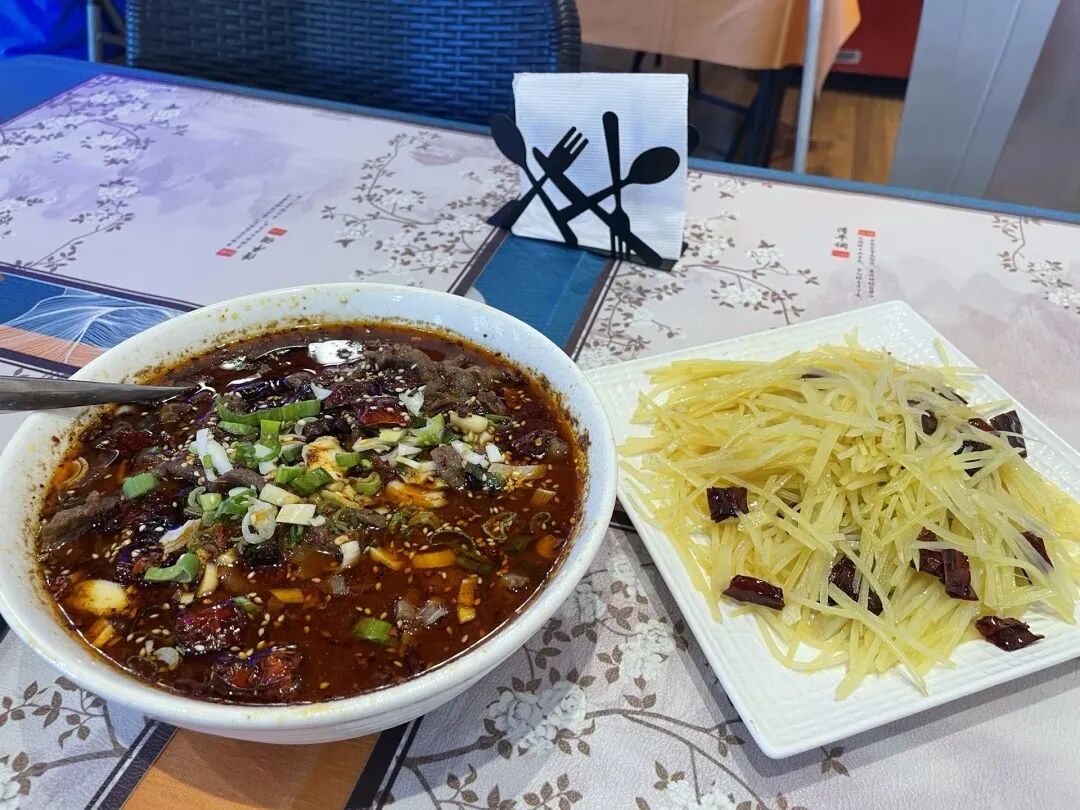
作为四川人,连四川的“十大小河帮菜”都不知道,是不是有点尴尬
Sou Hu Cai Jing· 2025-04-12 08:37
Core Insights - The article highlights the cultural significance and culinary heritage of "Xiaohe Bang Cai" (Salt Gang Cuisine) in Sichuan, emphasizing its historical roots and connection to local traditions [3][5][31] - It describes various signature dishes, showcasing their unique flavors and the stories behind them, reflecting the lifestyle and spirit of the people in the region [7][9][14][18] Group 1: Historical Context - The origins of Salt Gang Cuisine can be traced back to the Qing Dynasty, when salt workers developed these dishes to combat the harsh working conditions [18][24] - The cuisine is deeply intertwined with the local culture, as it evolved from the daily lives of salt workers who used available ingredients to create flavorful meals [3][26] Group 2: Signature Dishes - "Fish-flavored Eggplant" is a classic dish that embodies the essence of Salt Gang Cuisine, using sugar, vinegar, and spices to create a rich flavor without actual fish [7][21] - "Water Boiled Beef" features tender beef slices cooked in a spicy broth, representing the bold and robust flavors characteristic of the region [9][22] - "Cold Eaten Rabbit" is a popular dish that combines rabbit meat with spicy seasonings, reflecting the local preference for bold and spicy flavors [28][29] Group 3: Culinary Techniques - The cooking methods employed in Salt Gang Cuisine, such as high-temperature frying and the use of local spices, contribute to the distinctive taste and texture of the dishes [16][18] - The article emphasizes the importance of using fresh, local ingredients, which enhances the authenticity and flavor of the cuisine [12][24] Group 4: Cultural Significance - Salt Gang Cuisine serves as a representation of the local identity and community spirit, with dishes often shared among friends and family [5][31] - The article illustrates how these traditional dishes continue to thrive in modern settings, appealing to both locals and visitors alike [31][33]