沃尔沃S80插混版

Search documents
架构化造车再进化,SMA才是沃尔沃新底牌?
Tai Mei Ti A P P· 2025-08-07 22:52
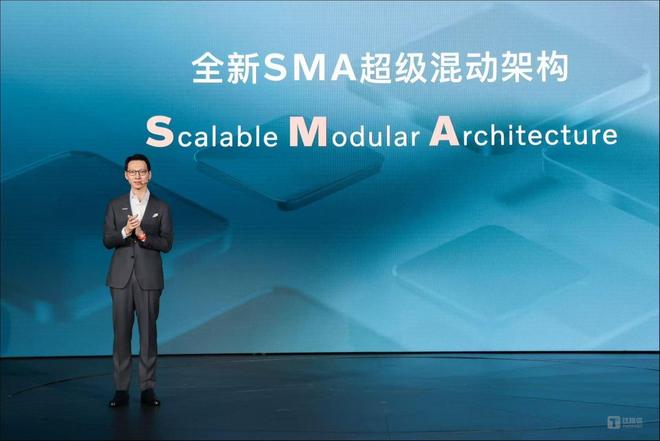
Core Insights - The article discusses the challenges faced by Volvo in the Chinese electric vehicle (EV) market, highlighting the need for competitive technology solutions as the company lags behind local brands in EV adoption rates [2][4]. Group 1: Market Context - In 2024, Volvo's global share of new energy vehicles (NEVs) is projected to reach 46%, but only 15% in the Chinese market, indicating a significant gap with local competitors [2]. - The structural changes in the Chinese NEV market are reshaping the competitive landscape, with a penetration rate exceeding 40% and plug-in hybrid vehicles (PHEVs) accounting for over 35% [4]. Group 2: Technological Response - The introduction of the Super Modular Architecture (SMA) platform is a strategic response to market demands and regulatory pressures, aiming to enhance Volvo's competitiveness [3][5]. - The XC70, as the first production model on the SMA platform, features advanced technology such as a P1+P2+P4 three-motor configuration and a 3DHT hybrid transmission, achieving over 200 km of pure electric range and a 0-100 km/h acceleration in 5.28 seconds [7][8]. Group 3: Strategic Positioning - The XC70 is priced between 400,000 to 500,000 RMB, strategically positioned between the XC60 and XC90, targeting both local brands like Li Auto and traditional luxury brands like BMW [7]. - The SMA platform aims to redefine Volvo's brand perception from "safety" to "technology," incorporating features like advanced driver assistance and AI capabilities [9][12]. Group 4: Sustainability and Local Production - The SMA platform aligns with Volvo's sustainability goals, utilizing 30% recycled steel and 25% recycled aluminum, aiming for a 40% reduction in lifecycle carbon emissions compared to traditional models [9]. - Local production in Chengdu, with an annual capacity of 200,000 units, reduces delivery times from three months to 1.5 months, enhancing competitiveness [11]. Group 5: Challenges Ahead - Despite the technological advancements, Volvo faces challenges in reliability due to the complexity of the three-motor system and the need to reshape brand perception among consumers who primarily associate the brand with safety [11][12]. - The competitive landscape is intensifying, with traditional luxury brands and local manufacturers rapidly advancing their technology, necessitating timely strategic actions from Volvo to secure its market position [11][12].