新能源汽车战略转型

Search documents
福特战略掉头,拥抱中国比亚迪,弃用韩国LG
3 6 Ke· 2026-01-16 11:44
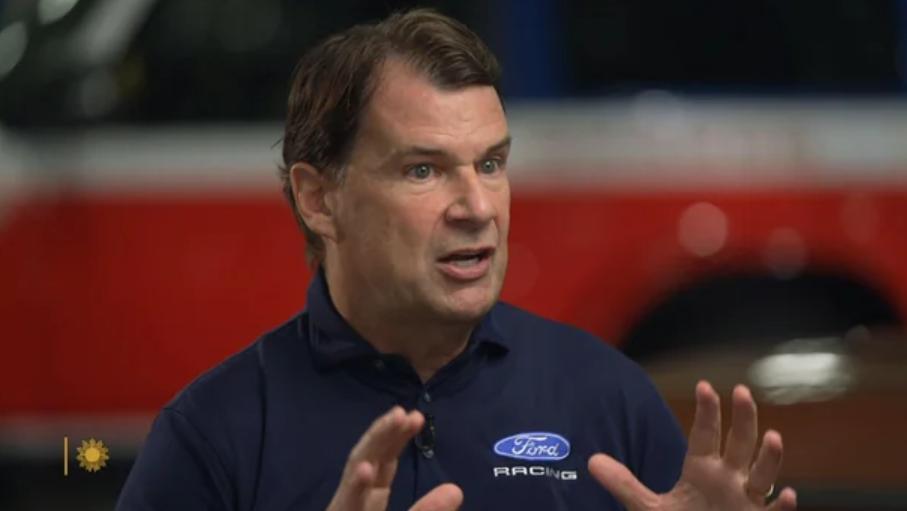
Core Viewpoint - Ford is reportedly in talks with BYD to procure batteries for some hybrid models, marking a significant shift in strategy as the company faces challenges in the electric vehicle (EV) market in the U.S. [1][2][4] Group 1: Ford's Strategic Shift - Ford recently canceled a multi-billion dollar partnership with LG Energy and is now exploring collaboration with BYD, which it previously viewed as a strong competitor [1][2] - The discussions with BYD are not finalized, and the specifics of the deal remain unclear, with potential battery imports for Ford's overseas factories in Germany, Spain, Thailand, and Turkey [2][4] - Ford's CEO has acknowledged BYD's leading position in the market and its impressive vertical integration capabilities, indicating a recognition of the need to adapt to the evolving landscape of the EV industry [4][10] Group 2: Challenges in the U.S. EV Market - Ford's electric vehicle sales have declined significantly, with a 14.1% drop year-over-year, contrasting with a 21.7% increase in hybrid vehicle sales [5][8] - The company is adjusting its strategy to focus more on hybrid vehicles, pausing production of its flagship electric truck and converting an EV factory in Tennessee to produce gasoline vehicles [8][9] - Ford anticipates a loss of approximately $19.5 billion (around 137.4 billion yuan) due to these strategic changes, which will impact its financial results [8][9] Group 3: Global Battery Market Dynamics - The global electric vehicle battery market is increasingly dominated by Chinese companies, with CATL and BYD accounting for over half of the market share [13][14] - Ford's interest in BYD's LFP (lithium iron phosphate) battery technology reflects a broader trend where Western companies are looking to leverage Chinese advancements in battery technology [12][14] - The global battery usage is projected to reach 1,046 GWh by 2025, indicating a robust growth trajectory in the electric vehicle sector [13]



红旗HS6 PHEV正式上市,实力诠释家庭出行新选择
Zhong Guo Qi Che Bao Wang· 2025-12-17 05:45
Core Viewpoint - The launch of the Hongqi HS6 PHEV marks a significant step in Hongqi's strategic shift from "building cars for the country" to "building cars for families," focusing on the core needs of new energy family users and revitalizing the mid-to-large plug-in hybrid SUV market [1][24]. Product Overview - The Hongqi HS6 PHEV is available in three versions: 145 Intelligent Hybrid, 240 Intelligent Hybrid, and 220 Four-Wheel Drive, with prices ranging from 178,800 to 228,800 yuan [1]. - The vehicle features a spacious five-seat layout with dimensions of 4925×1970×1740mm and a wheelbase of 2925mm, providing ample legroom and storage solutions for family outings [8]. Design and Aesthetics - The design incorporates Eastern aesthetics, blending cultural elements with modern automotive craftsmanship, featuring a "Oriental礼序" design philosophy and a color palette inspired by nature [4]. - The interior design emphasizes comfort and functionality, integrating elements of traditional Chinese gardens into the cabin layout [4]. Comfort and Convenience - The vehicle includes features such as zero-gravity front passenger seats, a large sunroof, and a high-quality sound system, enhancing the overall comfort for passengers [9]. - A comprehensive storage system with 31 compartments caters to the needs of family travel, ensuring organized space for various items [8]. Core Technology - The HS6 PHEV is powered by the new generation Honghu hybrid platform, offering a pure electric range of up to 248 km and a total range of 1650 km, significantly reducing fuel costs [13]. - The vehicle's two-wheel drive version boasts a fuel consumption as low as 0.4L/100km, showcasing its efficiency [13]. Charging and Adaptability - The HS6 PHEV supports fast charging, reaching 80% battery in just 15 minutes, and is designed to perform well in low-temperature conditions, addressing concerns of family users [16]. Safety Features - The vehicle employs a high-strength cage structure and advanced battery protection systems, ensuring safety for occupants and meeting stringent safety standards [17][20]. - It includes a health-conscious cabin environment, achieving low levels of formaldehyde and other harmful substances, making it suitable for sensitive groups [20]. Market Positioning and Consumer Benefits - The launch includes various consumer incentives such as discounts, free maintenance, and financing options, aimed at reducing the overall cost of ownership for families [21]. - The HS6 PHEV is positioned to set new standards in the mid-to-large SUV market, appealing to mainstream family consumers with its competitive pricing and comprehensive features [24].


架构化造车再进化,SMA才是沃尔沃新底牌?
Tai Mei Ti A P P· 2025-08-07 22:52
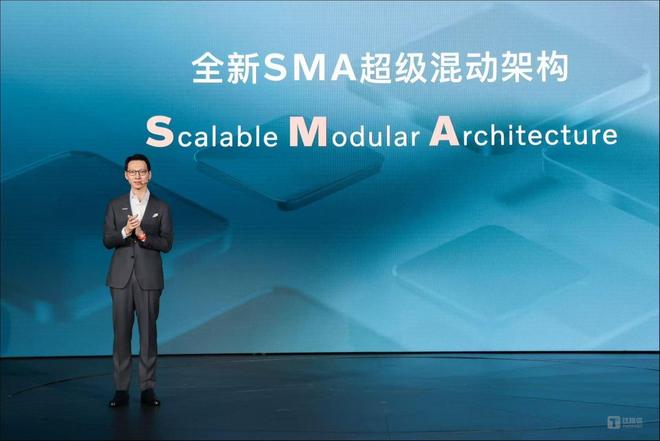
Core Insights - The article discusses the challenges faced by Volvo in the Chinese electric vehicle (EV) market, highlighting the need for competitive technology solutions as the company lags behind local brands in EV adoption rates [2][4]. Group 1: Market Context - In 2024, Volvo's global share of new energy vehicles (NEVs) is projected to reach 46%, but only 15% in the Chinese market, indicating a significant gap with local competitors [2]. - The structural changes in the Chinese NEV market are reshaping the competitive landscape, with a penetration rate exceeding 40% and plug-in hybrid vehicles (PHEVs) accounting for over 35% [4]. Group 2: Technological Response - The introduction of the Super Modular Architecture (SMA) platform is a strategic response to market demands and regulatory pressures, aiming to enhance Volvo's competitiveness [3][5]. - The XC70, as the first production model on the SMA platform, features advanced technology such as a P1+P2+P4 three-motor configuration and a 3DHT hybrid transmission, achieving over 200 km of pure electric range and a 0-100 km/h acceleration in 5.28 seconds [7][8]. Group 3: Strategic Positioning - The XC70 is priced between 400,000 to 500,000 RMB, strategically positioned between the XC60 and XC90, targeting both local brands like Li Auto and traditional luxury brands like BMW [7]. - The SMA platform aims to redefine Volvo's brand perception from "safety" to "technology," incorporating features like advanced driver assistance and AI capabilities [9][12]. Group 4: Sustainability and Local Production - The SMA platform aligns with Volvo's sustainability goals, utilizing 30% recycled steel and 25% recycled aluminum, aiming for a 40% reduction in lifecycle carbon emissions compared to traditional models [9]. - Local production in Chengdu, with an annual capacity of 200,000 units, reduces delivery times from three months to 1.5 months, enhancing competitiveness [11]. Group 5: Challenges Ahead - Despite the technological advancements, Volvo faces challenges in reliability due to the complexity of the three-motor system and the need to reshape brand perception among consumers who primarily associate the brand with safety [11][12]. - The competitive landscape is intensifying, with traditional luxury brands and local manufacturers rapidly advancing their technology, necessitating timely strategic actions from Volvo to secure its market position [11][12].
上海车展丨不谈女性化,欧拉开启战略转向
Guan Cha Zhe Wang· 2025-04-29 01:38
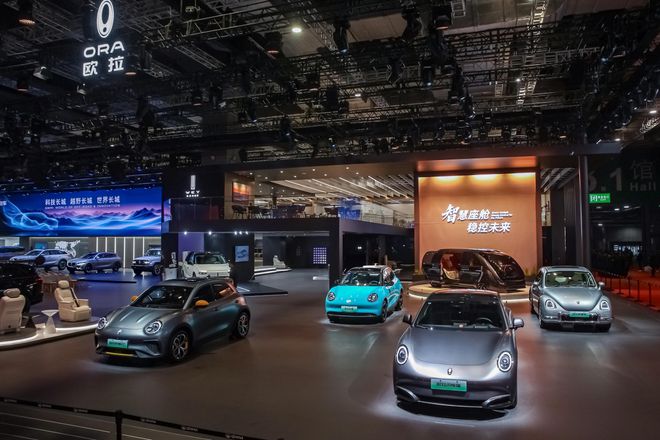
Core Viewpoint - Ora brand has shifted its focus from targeting the female market to a broader strategy aimed at the small and compact electric vehicle market, emphasizing user needs for urban mobility [3][5]. Group 1: Brand Strategy - Ora will continue to delve into the small and compact pure electric market, aiming to provide efficient and convenient travel options based on deep insights into urban travel scenarios [3]. - The brand's transformation reflects Great Wall Motor's strategy to realign Ora within the overall corporate framework, adapting to changing market demands [3][5]. Group 2: Product Development - The brand will adhere to the principle of "aesthetic independence," utilizing unique retro aesthetic design language to stand out in a homogenized electric vehicle market [5]. - The debut of the Ora Lightning Cat Travel Edition showcases the brand's commitment to expanding its product line based on diverse user needs, enhancing functionality and space efficiency [5][7]. Group 3: User Engagement - Ora plans to launch the "Ora Wonderful Life Initiative," establishing a 2 million yuan incentive fund to encourage users to share their lifestyle, integrating valuable content into product development and brand building [8].