沃集鲜牛奶

Search documents
「3块9一升鲜牛奶、9块9一盒瑞士卷」,多少月薪三万中产天天被「山姆亲姐妹」的雷霆低价震撼?
36氪· 2026-03-27 13:50
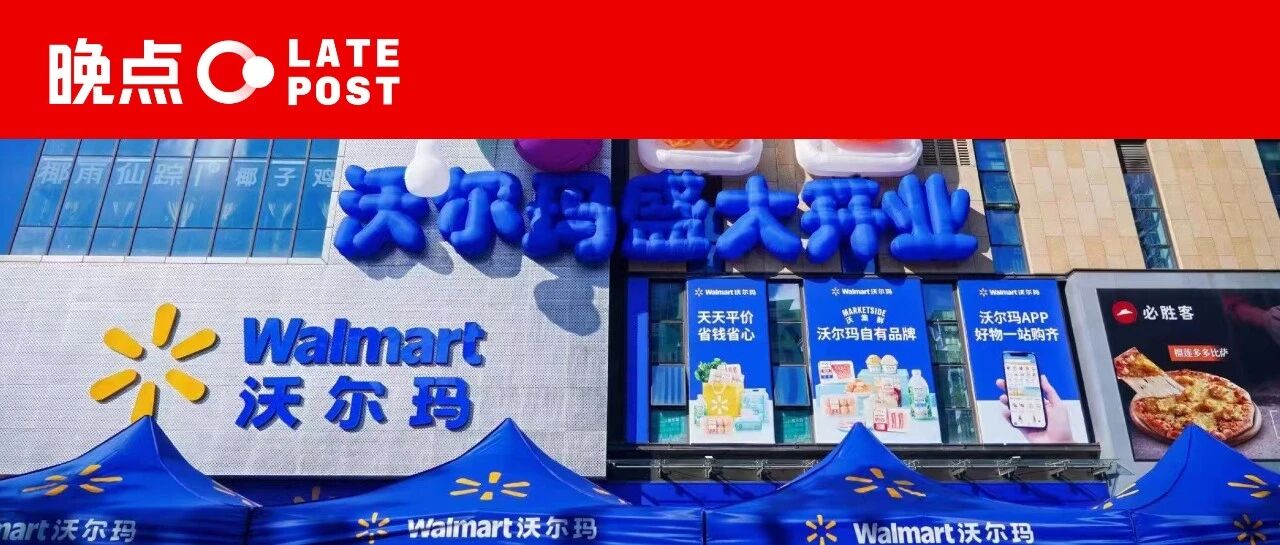
Core Viewpoint - Walmart has transformed into a budget-friendly supermarket, attracting middle-class consumers with its self-branded products like "沃集鲜" (Woji Xian), which offers significantly lower prices compared to competitors like Sam's Club and Hema [5][7][32]. Group 1: Pricing Strategy - The self-branded "沃集鲜" milk is priced between 7.99 and 12.99 yuan, with a notable 9.99 yuan option that has become a bestseller, leading to stock shortages and purchase limits [14][16]. - Walmart's pricing strategy has been effective, with products like 1L milk available for as low as 3.9 yuan during discount hours, appealing to budget-conscious consumers [23][25]. - The introduction of affordable baked goods, such as 9.99 yuan pastries and cakes, further solidifies Walmart's position as a cost-effective shopping destination [21][23]. Group 2: Product Offering and Consumer Appeal - "沃集鲜" has gained popularity for its quality and affordability, filling a market gap for single-person households and small families seeking convenient meal options [28][30]. - The product range includes popular items like HPP Fuji apple juice and various baked goods, which have become staples for many consumers [26][30]. - Walmart's strategy of offering smaller packaging sizes at lower prices has made it more appealing to individual consumers compared to larger bulk offerings from competitors [28][33]. Group 3: Market Position and Competition - Walmart's shift towards a model similar to Sam's Club has been noted, with a focus on self-branded products that maintain quality while being more affordable [32][38]. - The company has successfully leveraged its supply chain advantages to offer competitive pricing, sharing suppliers with Sam's Club while differentiating product specifications and pricing [41][42]. - The transformation has positioned Walmart as a viable alternative to Sam's Club, especially for consumers who are price-sensitive and prefer smaller quantities [31][38].


零售商都意识到自有品牌重要,但差异化之路要怎么走?
晚点LatePost· 2025-11-21 14:38
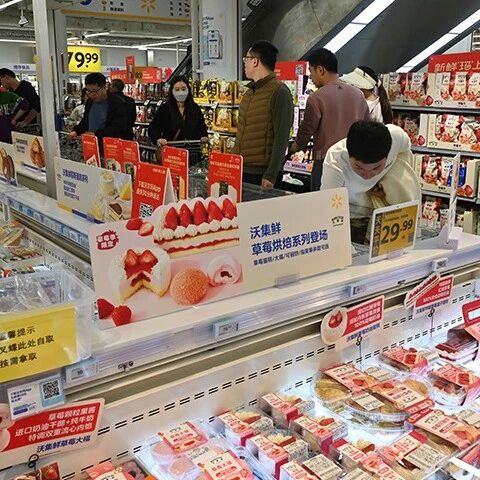
Core Insights - Walmart is undergoing a significant transformation to upgrade its business model, reshape its brand, and restart growth through the introduction of its community store format and the "沃集鲜" private label [2][24]. Group 1: Community Store Model - The new community store model focuses on fresh and food products, catering to the daily meal needs of urban families and single individuals [3][15]. - The "沃集鲜" brand has rapidly expanded from dozens of SKUs at the beginning of the year to nearly 1,000 by November, showcasing Walmart's ability to deliver differentiated products [4][6]. Group 2: Product Differentiation - "沃集鲜" emphasizes quality and price competitiveness, with a focus on fresh produce and high-frequency repurchase items, such as eggs and milk, which are tailored to consumer preferences [4][12]. - The brand has introduced various product lines, including "安心保洁蛋" and a range of milk products, with prices that are competitive in the market [5][12]. Group 3: Supply Chain and Quality Control - Walmart's supply chain strategy is built on a rigorous food safety control system that includes multiple checkpoints for supplier qualification and product safety [8][11]. - The company has a strict supplier selection process, with only a small percentage of suppliers passing through the various stages of evaluation [11][12]. Group 4: Organizational Culture and Innovation - The transformation at Walmart is not just about product offerings but also involves a cultural shift within the organization, emphasizing collaboration and innovation among teams [16][19]. - The focus on customer-centric product development is crucial, with teams encouraged to think creatively while maintaining high standards of quality and safety [18][22]. Group 5: Pricing Strategy - Walmart's "Everyday Low Prices" strategy aims to simplify consumer purchasing decisions by providing consistent pricing without the need for frequent promotions [24]. - This approach is designed to foster stable, rational repurchase behavior among consumers, moving away from reliance on promotional spikes [24].