山姆瑞士卷

Search documents
「3块9一升鲜牛奶、9块9一盒瑞士卷」,多少月薪三万中产天天被「山姆亲姐妹」的雷霆低价震撼?
36氪· 2026-03-27 13:50
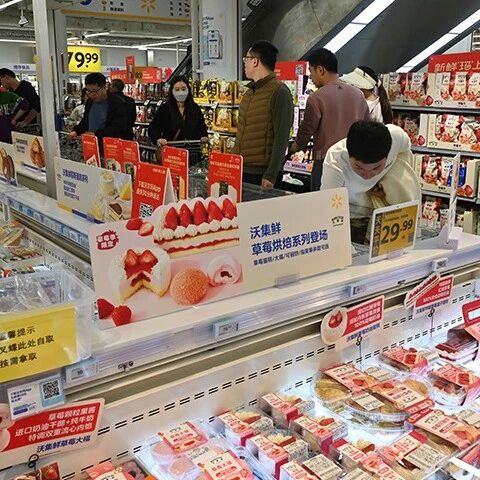
Core Viewpoint - Walmart has transformed into a budget-friendly supermarket, attracting middle-class consumers with its self-branded products like "沃集鲜" (Woji Xian), which offers significantly lower prices compared to competitors like Sam's Club and Hema [5][7][32]. Group 1: Pricing Strategy - The self-branded "沃集鲜" milk is priced between 7.99 and 12.99 yuan, with a notable 9.99 yuan option that has become a bestseller, leading to stock shortages and purchase limits [14][16]. - Walmart's pricing strategy has been effective, with products like 1L milk available for as low as 3.9 yuan during discount hours, appealing to budget-conscious consumers [23][25]. - The introduction of affordable baked goods, such as 9.99 yuan pastries and cakes, further solidifies Walmart's position as a cost-effective shopping destination [21][23]. Group 2: Product Offering and Consumer Appeal - "沃集鲜" has gained popularity for its quality and affordability, filling a market gap for single-person households and small families seeking convenient meal options [28][30]. - The product range includes popular items like HPP Fuji apple juice and various baked goods, which have become staples for many consumers [26][30]. - Walmart's strategy of offering smaller packaging sizes at lower prices has made it more appealing to individual consumers compared to larger bulk offerings from competitors [28][33]. Group 3: Market Position and Competition - Walmart's shift towards a model similar to Sam's Club has been noted, with a focus on self-branded products that maintain quality while being more affordable [32][38]. - The company has successfully leveraged its supply chain advantages to offer competitive pricing, sharing suppliers with Sam's Club while differentiating product specifications and pricing [41][42]. - The transformation has positioned Walmart as a viable alternative to Sam's Club, especially for consumers who are price-sensitive and prefer smaller quantities [31][38].


【转|太平洋食饮-消费深度】拥抱新消费的浪潮
远峰电子· 2025-06-18 11:46
Core Insights - The article emphasizes the importance of boosting domestic demand as a long-term strategy for economic growth, especially in light of reduced export contributions due to trade tensions [2][4] - It highlights the ongoing consumer policy initiatives aimed at stimulating spending and increasing household income, which are expected to positively impact consumption ratios in the coming years [4][6] - The article draws parallels between the current economic situation in China and Japan's economic history, particularly the similarities in aging populations and real estate market challenges [8][12] Group 1: Domestic Demand and Consumption - Domestic demand is becoming the main driver of economic growth as export contributions decline, with household consumption currently accounting for 38-40% of GDP, significantly lower than in developed countries [2][4] - Recent consumer policies, including subsidies and consumption vouchers, are expected to enhance household income and stimulate spending, with a projected increase in consumer spending in 2025 [4][6] - The first quarter of 2025 showed a 4.6% year-on-year increase in retail sales, indicating a stable upward trend in consumption [4] Group 2: Economic Comparisons with Japan - The article compares China's current economic conditions to Japan's in the late 1990s, noting similar GDP per capita levels and aging demographics [8][12] - Both countries have experienced real estate market downturns, with China implementing policies to stabilize housing prices and Japan facing a prolonged economic slump after its real estate bubble burst [8][12] - The analysis suggests that understanding Japan's economic history could provide valuable insights for China's future economic strategies [8][12] Group 3: Consumer Behavior Trends - There is a noticeable shift in consumer preferences towards value-oriented and health-conscious products, with brands like Sam's Club and Dazhong increasingly appealing to consumers seeking quality at competitive prices [34][39] - The rise of discount retailers and the focus on high-cost performance products reflect a broader trend of rational consumption among consumers, particularly in the context of economic uncertainty [19][25] - The article highlights the growing importance of local brands and products that cater to domestic tastes, as consumers show a preference for homegrown options over foreign imports [31][20]

传统包装面包,日子不好过
Hu Xiu· 2025-06-05 04:06
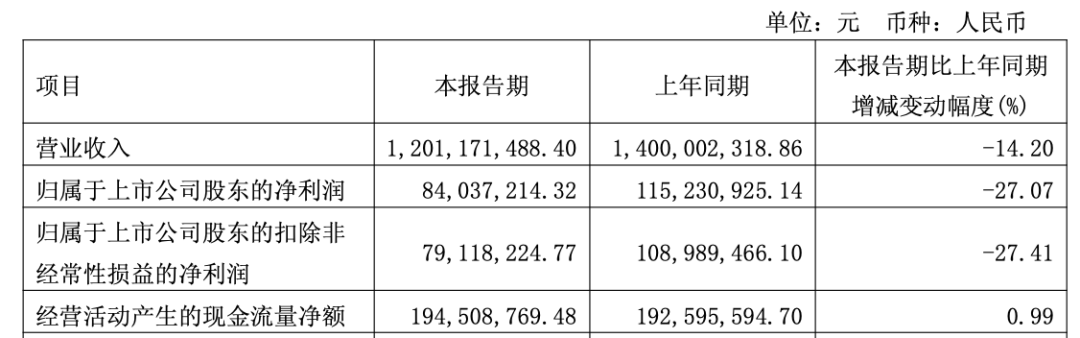
Core Insights - The article highlights the unprecedented challenges faced by the once-dominant bakery brand, Tao Li Bread, indicating a significant decline in its market position and financial performance [1][11][10]. Financial Performance - In Q1 2025, Tao Li Bread reported a revenue drop of 14.2% year-on-year to 1.201 billion yuan, with net profit plummeting by 27.07% to 84.04 million yuan, marking the worst quarterly performance since its listing [2][3]. - From 2021 to 2024, the company's revenue growth rate fell from 6.24% to -9.93%, and net profit has been declining for four consecutive years [3][12]. Market Dynamics - The traditional packaged bread market is experiencing a "mid-life crisis," with Tao Li's struggles reflecting broader industry challenges, including competition from fresh-baked goods and convenience store offerings [10][8]. - The market is becoming increasingly fragmented, with new brands like A1 Snack Research Institute and Xiao Bai Xin Li Ruan gaining traction, while established brands like Dali and Man Ke Dun are facing significant setbacks [26][19][4]. Competitive Landscape - The competitive landscape is shifting, with convenience stores and new entrants offering fresh products that appeal to consumers, thereby eroding the market share of traditional brands like Tao Li [8][36]. - Tao Li's reliance on traditional supermarket channels is becoming a liability, as evidenced by a net loss of 144 distributors in 2024, highlighting the need for adaptation to new market realities [15][14]. Consumer Preferences - Consumer perceptions are changing, with a growing acceptance of medium and long-shelf-life products, challenging the traditional notion that "short shelf-life equals freshness" [27][20]. - New brands are leveraging innovative marketing and product differentiation to capture market share, while traditional brands struggle with product innovation and adaptation [30][29]. Industry Trends - The industry is witnessing a shift from industrialized production to scenario-based competition, necessitating traditional brands to rethink their strategies to survive [10][39]. - The rise of self-branded products in convenience stores and supermarkets is further intensifying competition, as these products often offer better pricing and perceived value [32][34]. Future Directions - The article suggests that the future of the packaged bread industry lies in exploring new consumer scenarios and adapting to changing market dynamics, rather than relying solely on traditional distribution channels [46][51]. - Brands are encouraged to innovate in product offerings and marketing strategies to better align with consumer needs and preferences in a rapidly evolving market [47][50].