沃集鲜

Search documents
差点退出国内市场的山姆“亲爹”,彻底开窍了
Sou Hu Cai Jing· 2026-02-24 01:15
Core Insights - Walmart has successfully transformed its business model by adopting strategies from Sam's Club, leading to a significant turnaround in performance and customer engagement [1][4][18] - The company has achieved a market capitalization of over $1 trillion, becoming the first retail giant to reach this milestone, with a stock price increase of approximately 26% over the past year [2][18] Group 1: Business Transformation - Walmart's revival is attributed to the strategic decision to integrate Sam's Club's core team into its operations, focusing on product selection, store layout, and operational models [18][40] - The introduction of the new private label "沃集鲜" has resulted in a significant increase in product offerings, with around 4,000 SKUs covering various categories, effectively creating a "value alternative" to Sam's Club [21][23] - The company has shifted from large-format stores to smaller community stores, enhancing efficiency and customer experience by focusing on local needs and convenience [27][42] Group 2: Consumer Engagement - Walmart has successfully attracted younger consumers by offering competitive pricing on popular products, positioning itself as a "value haven" for budget-conscious shoppers [7][11] - The implementation of a "Sam's alternative" section allows customers to access popular items without the membership fee, directly addressing consumer pain points [31][40] - The store's trial culture, inspired by Sam's Club, has been adopted to enhance customer experience, allowing shoppers to sample products before purchasing [31][40] Group 3: Competitive Landscape - Walmart's successful adaptation contrasts sharply with other retailers like Yonghui Supermarket, which has struggled to implement effective transformation strategies despite similar attempts [32][36] - The key difference lies in Walmart's ability to leverage its existing supply chain and operational strengths, while competitors have failed to replicate the underlying operational efficiencies [40][42] - The retail landscape is evolving, with Walmart finding its niche in the middle market by balancing quality, price, and customer experience, while other players like Hema and Pinduoduo focus on different market segments [44]


“山姆化”的沃尔玛 复杂的县城消费
Xin Lang Cai Jing· 2026-02-21 10:05
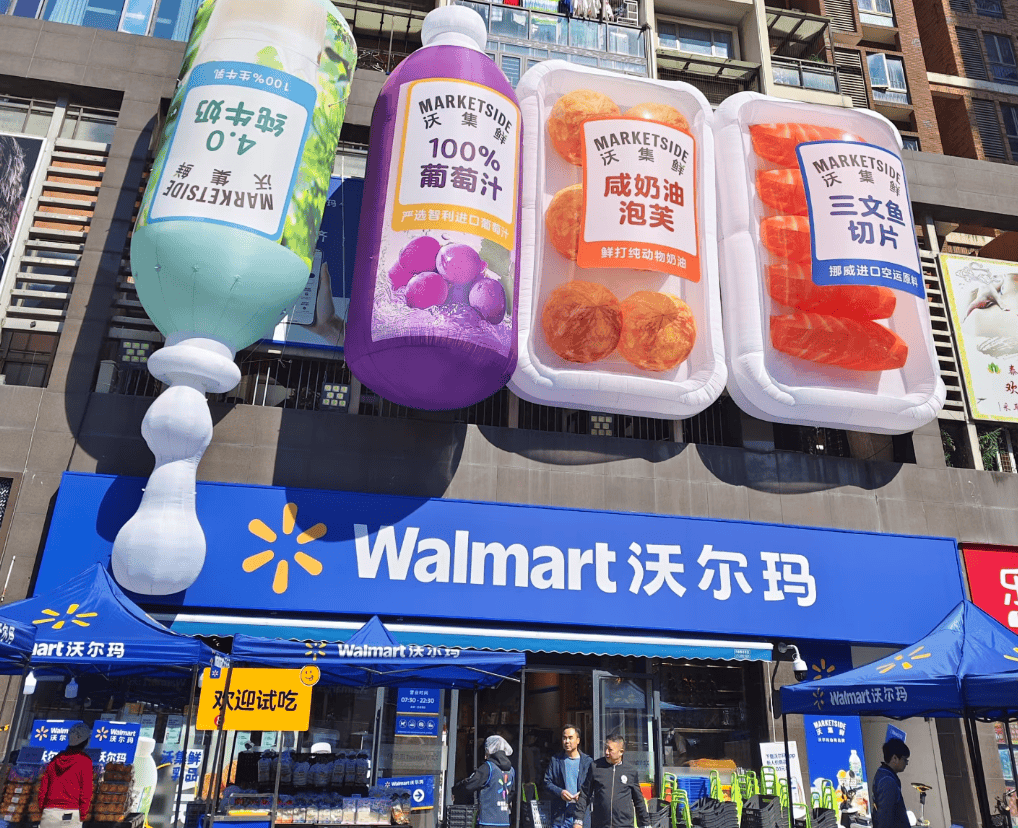
Core Insights - Walmart is replicating Sam's Club's model in lower-tier markets while executing a "contraction" strategy in first-tier cities, transforming its stores into a "budget-friendly" version of Sam's Club [2][4] - The introduction of Walmart's private label "沃极鲜" (Woji Xian) is aimed at enhancing profitability and appealing to younger consumers, with significant marketing efforts on social media platforms [6][8] - The competition in lower-tier cities is intensifying, with Walmart leveraging its established presence and channel advantages to promote its private label products [9][21] Group 1: Market Strategy - Walmart's transformation includes reducing shelf heights and adopting similar product displays to Sam's Club, creating a familiar shopping experience for consumers [2] - The "沃极鲜" series is positioned to capture a larger market share, with projections indicating a significant increase in sales for Walmart's private label products [6][12] - The company is focusing on channel strength, maintaining a wide reach with nearly 280 hypermarkets compared to only 63 Sam's Club locations in China [9][21] Group 2: Consumer Behavior - Consumers in lower-tier cities are increasingly drawn to Walmart due to its competitive pricing and product offerings, especially during festive seasons [3][5] - The perception of value is crucial, as consumers are willing to pay for quality but are also influenced by the availability of traditional brands versus private labels [10][15] - Social dynamics in these markets, such as the importance of face and social currency, affect purchasing decisions, making trust in brands essential [19][22] Group 3: Competitive Landscape - Walmart's strategy reflects a broader trend in retail where private labels are gaining traction, as seen with competitors like "胖东来" (Pang Dong Lai) achieving significant sales growth through their own brands [6][21] - The retail environment in lower-tier cities is evolving, with consumers becoming more discerning and demanding higher quality, which presents both opportunities and risks for Walmart's private label strategy [14][22] - The success of Walmart's "沃极鲜" will depend on its ability to build consumer trust and deliver consistent quality across its product range [22]
差点退出中国的山姆「亲爹」,彻底开窍了
36氪· 2026-02-14 04:14
Core Viewpoint - Walmart has successfully transformed its business model in China, emerging as a competitive player in the retail market by adopting strategies from its subsidiary Sam's Club, leading to a significant increase in customer traffic and sales [5][10][38]. Group 1: Walmart's Market Performance - Walmart's market capitalization surpassed $1 trillion, making it the first retail giant to achieve this milestone [7]. - Over the past year, Walmart's stock price increased by approximately 26%, with a ten-year cumulative growth of nearly 468% [8]. - The company has seen a resurgence in customer interest, particularly among younger consumers, who now frequent Walmart for its competitive pricing and product offerings [15][25]. Group 2: Strategic Changes and Adaptations - Walmart's transformation involved a strategic shift to adopt Sam's Club's operational and product selection strategies, effectively creating a "no membership fee Sam's" model [38][60]. - The introduction of the new private label "Wojixian" has been pivotal, with the team eliminating 80% of underperforming SKUs and focusing on high-demand products [41][44]. - The company has reduced the size of its stores from over 10,000 square meters to between 2,000 and 5,000 square meters, emphasizing efficiency and community convenience [50][54]. Group 3: Consumer Engagement and Pricing Strategy - Walmart has effectively targeted the pain points of consumers who desire Sam's Club products without the membership fee, creating a "Sam's alternative" section in stores [56][60]. - The implementation of a tasting culture in stores, similar to Sam's, has enhanced customer experience and engagement, allowing consumers to sample products before purchasing [58][73]. - Competitive pricing strategies have made Walmart an attractive option for budget-conscious consumers, with prices significantly lower than those at Sam's Club [16][46]. Group 4: Comparison with Competitors - While Walmart has successfully adapted and thrived, competitors like Yonghui Supermarket have struggled with their transformation efforts, leading to significant financial losses [62][64]. - The key difference lies in Walmart's ability to leverage its existing supply chain and operational strengths, while Yonghui has failed to effectively implement changes that resonate with consumer needs [76][79]. - Walmart's strategic focus on product quality, pricing, and customer experience has allowed it to reclaim its position in the retail market, contrasting with Yonghui's challenges [81][82].

沃尔玛还是优等生
远川研究所· 2026-02-11 13:48
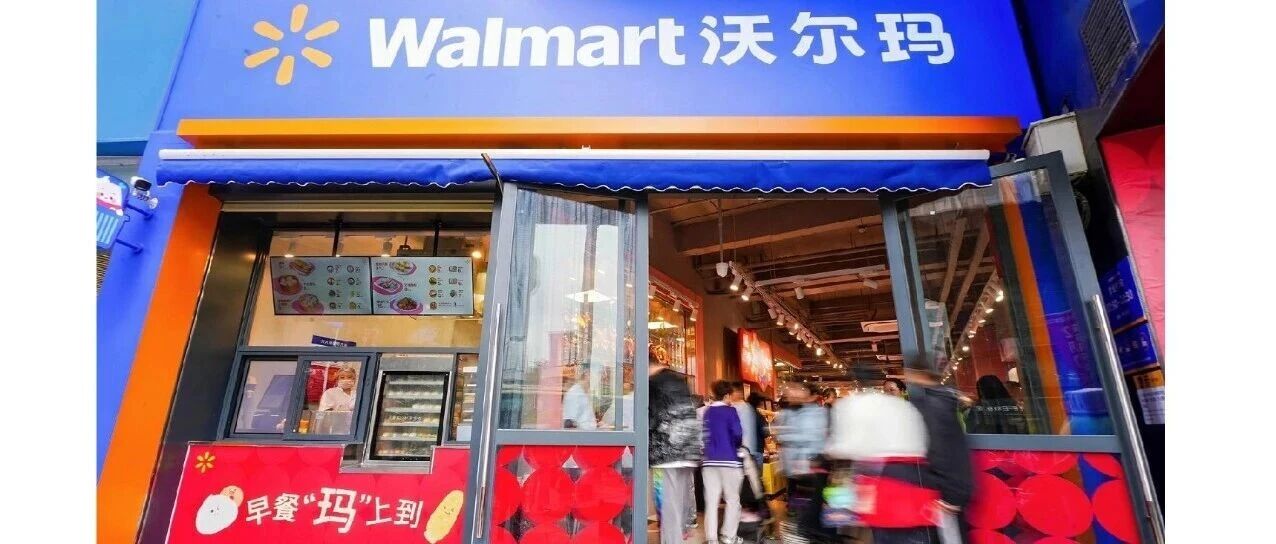
Core Viewpoint - Walmart continues to innovate and adapt in the Chinese retail market, launching the "Mashi Store" concept to attract younger consumers and enhance the shopping experience, marking its 30th anniversary in China [2][19]. Group 1: Walmart's New Store Concept - The "Mashi Store" features interactive community themes, unique products, and engaging shopping experiences, aiming to create a vibrant atmosphere for consumers [2][8]. - The store in Shenzhen's Shekou area maintains a large physical space while enhancing the shopping experience with fun and diverse scenarios [8][9]. - The community store in the Xia Sha area focuses on a "10-minute walk" lifestyle, offering around 2,000 SKUs of high-quality, affordable products [8][9]. Group 2: Consumer Behavior and Market Trends - The concept of "nearness" is evolving, as consumers increasingly prefer online shopping, yet the popularity of the "Mashi Store" indicates a continued desire for physical shopping experiences [5][6]. - Young consumers are seeking emotional value and surprises in their shopping experiences, which traditional supermarkets often fail to provide [12][15]. - The "Mashi Store" aims to rekindle the joy of shopping by offering unique products and an immersive environment, transforming the perception of supermarkets from mere transactional spaces to engaging experiences [11][18]. Group 3: Walmart's Competitive Position - Walmart's market leadership is evidenced by its sales of 158.845 billion and a total of 334 stores, maintaining its position as the top retailer in China [19][21]. - The company's strong supply chain capabilities and commitment to customer satisfaction remain core competitive advantages, allowing it to adapt to changing consumer preferences [22][28]. - Walmart's self-owned brand "Wojuxian" has been upgraded to focus on simple, fresh ingredients, reflecting the company's dedication to quality and value [22][24].

深圳人又被“拿捏”了?首店又爆火,这个巨头的“深度打法”懂人心
Nan Fang Du Shi Bao· 2026-02-09 14:16
Core Insights - The opening of the first "Mashi" community store in Shenzhen, a collaboration between Walmart and Xiaohongshu, has attracted significant consumer interest, especially during the Spring Festival shopping season, showcasing Walmart's innovative approach to community retailing [1][2][3] Group 1: Store Concept and Offerings - The Mashi community store, covering 500 square meters, offers nearly 2,000 carefully selected products that cater to daily meal needs, emphasizing convenience and quality for local residents [2][4] - The store features a variety of products for different meal occasions, including freshly baked goods for breakfast, ready-to-eat meals for lunch, fresh produce for dinner, trendy snacks for afternoon tea, and frozen foods for late-night cravings [2][4] Group 2: Collaboration and Product Innovation - The collaboration with Xiaohongshu has resulted in nearly 20 co-branded products that have become popular among consumers, highlighting Walmart's ability to tap into current trends and consumer preferences [3][5] - The products emphasize quality and affordability, with a focus on simple ingredients and fresh sourcing, aligning with consumer demands for health and convenience [5][7] Group 3: Strategic Approach and Long-term Vision - Walmart's strategy focuses on deepening community engagement rather than merely expanding store numbers, aiming to provide a more personalized shopping experience [4][6] - The company plans to upgrade over 100 large stores nationwide by 2025, enhancing customer experience through improved facilities and stringent quality control [4][5] - This approach reflects a commitment to long-term value creation, prioritizing customer needs and building brand trust over short-term gains [6][7] Group 4: Industry Implications - The success of the Mashi community store serves as a case study for the retail industry, illustrating the importance of understanding consumer needs and creating genuine value [8][9] - Walmart's focus on depth and quality in retailing is positioned as a model for other retailers, emphasizing that true competition lies in the ability to connect with consumers on a deeper level [6][9]
2026年,沃尔玛怎么就变得这么好逛?
经济观察报· 2026-02-09 11:15
Core Insights - Walmart's transformation is not a single-channel or product breakthrough, but a comprehensive upgrade achieved through systematic engineering around the core demands of urban middle-class families, involving channel adjustments, product development, and ecological cooperation [1][19]. Group 1: Partnership and Store Innovations - Recently, Walmart partnered with Xiaohongshu to launch the "Mashi" series of new stores, opening two locations in Shenzhen within a month, focusing on community scenarios and offering over 2,000 selected products for daily meals [2]. - The first "Mashi Community Store" in Shenzhen's Futian District continues the core model of Walmart's community stores, emphasizing a shopping experience that integrates online and offline channels to create a consumption loop from "discovery to experience to purchase" [2][4]. Group 2: Market Trends and Consumer Needs - According to Nielsen's report, the Chinese retail market is entering a critical restructuring phase, where growth will depend on the ability to meet consumers' "relevant" product and emotional needs rather than just foot traffic or price subsidies [4]. - Walmart's strategy of "customer first" aligns with this trend, leading to deep transformations in product offerings and shopping experiences to meet the evolving demands of consumers [4]. Group 3: Channel Strategy and Community Stores - Walmart's community stores, typically around 500 square meters, are strategically located within a 10-minute walking radius of residential areas to cater to the daily meal needs of local residents [7][10]. - The company has invested nearly a year in testing and refining the key dimensions of community store locations, sizes, and product selections to create a "10-minute walking life circle" for customers [10][11]. Group 4: Product Differentiation and Brand Strategy - Walmart's private label "Wojixian" focuses on providing differentiated value through its brand philosophy of "simple and fresh," emphasizing simple ingredients, fresh raw materials, and a clean ingredient list to meet the health-conscious demands of urban middle-class families [15][16]. - The brand has launched over a thousand new products in the past year, gaining widespread consumer recognition, and aims to reduce decision-making costs for consumers by ensuring high-quality standards throughout its supply chain [16][19]. Group 5: Consumer-Centric Transformation - The transformation of Walmart highlights a shift in retail industry competitiveness from scale and price advantages to value and experience, while still recognizing the importance of price in rational consumer behavior [19]. - The key takeaway from Walmart's transformation is the necessity of centering all efforts around consumer needs, indicating that transformation should not discard past advantages but rather reshape and upgrade them in line with consumer demands [19].
“地标”引领3800亿自有品牌大战:山姆、盒马、永辉、小象、沃尔玛,谁能“抄”出下一个爆款?
3 6 Ke· 2026-02-05 02:27
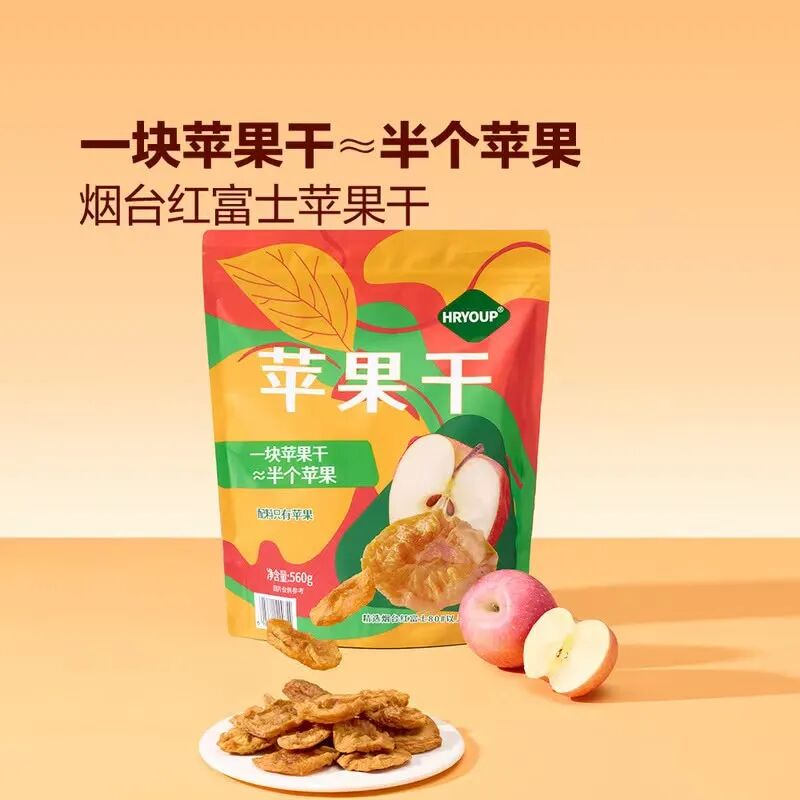
Core Insights - The ultimate value of landmark products lies not in "soil," but in "connectivity" across industries, markets, and globally [47] - The rise of self-owned brands in retail channels is reshaping consumer purchasing decisions, with a focus on high quality and unique offerings [1][3] Group 1: Market Trends - By 2025, the sales of private labels in China's supermarkets are expected to exceed 380 billion yuan, growing by 17% year-on-year, accounting for 9.2% of the overall retail scale [1] - Landmark agricultural products are emerging as a new growth point, with consumption increasing at an average annual rate of 36% over the past five years, outpacing the overall growth of agricultural products [2] - The trend of retailers focusing on local flavors and landmark products is gaining momentum, as they seek to differentiate themselves in a saturated market [1][2] Group 2: Case Studies - The collaboration between Sam's Club and Yantai apples has led to the successful launch of a 100% apple dried fruit product, achieving monthly sales exceeding 200,000 units [7][9] - Boxed rice wine from Xiaogan has become a top-selling item on Hema's app, with annual sales exceeding 25 million bottles, showcasing the potential of traditional products in modern retail [12][13] - Yunnan black truffles have been successfully integrated into products like truffle-flavored crackers, demonstrating the ability to create high-demand items through local sourcing [15][18] Group 3: Strategic Insights - The success of landmark products is attributed to a combination of trend insights, collaborative efforts across industries, and a focus on consumer preferences [23][24] - The integration of health trends into product offerings, such as low-GI and functional foods, is unlocking significant market potential [25][27] - The development of a robust supply chain and effective marketing strategies is essential for transforming landmark resources into market advantages [28][35] Group 4: Challenges and Solutions - Despite the growth of landmark products, challenges such as weak intellectual property protection and fragmented market recognition persist [41][42] - The lack of cohesive branding and operational capabilities among local producers hinders the potential of landmark products [44] - A systematic approach involving third-party organizations is necessary to build a comprehensive support system for landmark product development [45][46]
盒马、沃尔玛、奥乐齐们离开舒适区
Sou Hu Cai Jing· 2026-01-31 05:20
Core Insights - 2026 is expected to be a pivotal year for hard discount retailers, with intensified competition emerging in the sector [2][24] - Major players like Hema and Aldi are expanding aggressively, indicating a nationwide acceleration in hard discount strategies [8][10] Group 1: Market Dynamics - Hema's expansion includes the opening of three new stores in Dongguan and Shenzhen, with a total of over 400 stores expected by the end of 2025 [4][10] - Walmart is also ramping up its presence in Shenzhen, a key market, with plans to open new community stores [6][10] - The overall retail environment shows a slowdown in consumer spending, with retail sales growth dropping to 1.3% in the second half of 2025, leading consumers to prioritize value over brand [10][24] Group 2: Competitive Landscape - The hard discount market in China is projected to exceed 200 billion yuan by 2024, with a penetration rate of only 8%, indicating significant growth potential compared to countries like Germany and Japan [10][24] - Hema's strategy focuses on efficiency, utilizing a logistics system with cold storage to reduce costs and improve service [12][14] - Aldi's recent openings in Nanjing signal a broader trend of hard discount expansion, with multiple players entering the market simultaneously [8][10] Group 3: Product Strategy - Hema's product mix includes 60% private label items, allowing for lower prices by eliminating intermediaries, while Walmart's community stores focus more on standard products [14][15] - The competition is expected to intensify as hard discount retailers aim to differentiate their private label offerings and improve supply chain efficiency [19][20] - The emphasis on local products and fresh offerings is becoming a key differentiator among competitors, with Aldi showing strength in this area [17][26] Group 4: Future Outlook - The hard discount sector is likely to see a new wave of localized price competition, although a full-scale price war is not anticipated [22][24] - The market is expected to evolve with three main player categories: foreign brands like Aldi and Walmart, internet giants like Hema and Meituan, and traditional supermarkets transitioning to discount models [26][24] - 2026 is projected to be a year of significant developments in the hard discount space, as companies navigate the challenges of market expansion and consumer expectations [2][24]

频繁推出山姆同款,沃尔玛调整自有品牌沃集鲜有何目的? | 声动早咖啡
声动活泼· 2026-01-30 09:04
Core Viewpoint - Walmart's private label brand "Wojixian" is rapidly expanding, introducing nearly a thousand new products, and is increasingly resembling products from its subsidiary Sam's Club, raising questions about brand differentiation and internal competition [3][4][12]. Group 1: Brand Development and Strategy - Wojixian was launched in 2019 as Walmart China's private label and initially had only a few dozen products, but has since entered a phase of rapid expansion [3][5]. - The brand's strategy includes offering products similar to popular items from Sam's Club, such as snacks and beverages, but with adjustments in flavor, specifications, and pricing [4][6]. - Walmart aims to attract middle-class families and single consumers by providing lower-priced alternatives to Sam's Club products [6][12]. Group 2: Market Performance and Challenges - Walmart China reported a nearly 22% year-on-year increase in net sales, with Sam's Club experiencing double-digit growth, while Walmart supermarkets are facing a decline in store numbers, dropping from 420 in 2019 to under 280 by the end of last year [5][8]. - The shift in consumer preferences from low prices to value-for-money has pressured traditional hypermarkets, prompting Walmart to innovate its store formats and product offerings [5][6]. - Wojixian's product offerings are based on high-frequency, high-demand items that have been validated within the Sam's Club ecosystem, indicating a strategic alignment with successful market trends [8][10]. Group 3: Competitive Landscape - The overlap in product offerings between Wojixian and Sam's Club may dilute the unique value proposition of Sam's Club, which is built on exclusivity and high quality [12][13]. - Consumer feedback suggests that while Wojixian offers lower-priced alternatives, there are concerns regarding the quality and taste compared to Sam's Club products, which could impact long-term brand loyalty [13][12]. - The shared supply chain between Walmart and Sam's Club allows Wojixian to leverage established suppliers, reducing costs and improving product quality control [10][11].

“爆款易造,复购难留”! 透过沃集鲜看零售自有品牌的生存考题
Sou Hu Cai Jing· 2026-01-29 15:22
Core Insights - The retail industry is facing challenges from strong competitors like Sam's Club and Hema, leading to a consensus on the need for traditional supermarkets to innovate and develop private labels [1] - Walmart's private label, Woji Xian, has gained significant attention due to its high cost-performance ratio, but underlying issues such as customer retention, brand matrix imbalance, and supply chain resilience remain critical challenges [1][3] Group 1: Market Dynamics - Woji Xian has become a hot topic in the retail sector, with products frequently appearing in discussions about high cost-performance and must-buy lists on social media [3] - The pricing strategy of Woji Xian, such as 19.9 yuan for 198 grams of apple chips and 9.9 yuan per liter for fresh milk, effectively meets consumer demands for quality and affordability [3] - The retail environment is characterized by simultaneous consumer downgrade and quality upgrade, with consumers becoming more budget-conscious while demanding higher product quality and safety [3] Group 2: Business Model Challenges - The focus on extreme cost-performance may lead to long-term challenges, as maintaining low prices often requires cost-cutting measures that can compromise product quality [4] - A report indicates that 23% of suppliers have lowered food quality standards due to price pressures, raising concerns about food safety and consumer trust [5] - The reliance on low prices could trap Woji Xian in a price war, limiting its ability to upgrade the brand and increase profit margins through premium products [5] Group 3: Customer Retention Issues - Woji Xian's strategy of using popular single products to attract customers may hinder repeat purchases, as many consumers only visit to buy specific items and do not explore other offerings [6] - Competitors like Sam's Club and Hema have established effective customer loyalty through unique service offerings and membership models, which could impact Woji Xian's ability to retain customers [7] - The lack of a refined membership system and personalized product recommendations limits Woji Xian's ability to foster long-term brand loyalty [7] Group 4: Competitive Landscape - Competitors are enhancing their service offerings, with brands like Sam's Club and Hema creating closed loops of customer engagement through unique product offerings and rapid delivery services [7] - Woji Xian's similarity to Sam's Club in product offerings and branding may provide short-term market advantages but risks diminishing its unique brand identity over time [8] - The reliance on imitation could weaken Woji Xian's innovation capabilities, making it vulnerable to shifts in competitor strategies [8] Group 5: Supply Chain Considerations - The success of Woji Xian is closely tied to Walmart's robust supply chain, which ensures product freshness and cost control through partnerships with suppliers [18] - However, the current distribution of Woji Xian, which accounts for 30% of community store offerings, is limited, necessitating supply chain upgrades for broader market penetration [19] - As Walmart expands into new cities, the supply chain must adapt to regional preferences and ensure consistent product quality across different locations [19] Group 6: Consumer Behavior and Market Positioning - The core customer base for Walmart's large stores is primarily price-sensitive consumers, while Woji Xian targets urban middle-class consumers willing to pay a premium for better products [14] - The market is saturated with various retail options, making it challenging for Woji Xian to attract consumers who have already established shopping habits with competitors [15] - Consumer perceptions of retail channels are well-defined, and Woji Xian's attempt to position itself as a provider of quality products may conflict with existing consumer expectations of Walmart as a low-price retailer [16]