
沪昆高铁

Search documents
架起云贵协同发展黄金大通道,沪昆高铁开通运营9周年
Xin Lang Cai Jing· 2025-12-28 08:05
Core Insights - The Hukun High-Speed Railway has been operational for 9 years, significantly enhancing transportation connectivity between Guizhou and Yunnan provinces, and has become a vital engine for high-quality collaborative development in Southwest China [1][3]. Group 1: Operational Impact - Since its opening, the Hukun High-Speed Railway has transported over 135 million passengers, making high-speed rail travel the preferred choice for the public [1]. - The travel time between Guiyang and Kunming has been drastically reduced from over 8 hours to just 2 hours and 25 minutes, facilitating same-day round trips [5]. Group 2: Service Enhancements - The China Railway Chengdu Group has optimized train schedules, currently operating over 100 high-speed trains daily between Guiyang and Kunming, catering to diverse travel needs [5]. - Stations along the Hukun High-Speed Railway have been equipped with barrier-free facilities and mother-child waiting rooms to enhance the travel experience for special groups [9]. Group 3: Economic and Social Development - The railway has accelerated the flow of talent, capital, and technology between Guizhou and Yunnan, promoting deep integration of the economic zones and boosting the export of local agricultural products and cultural tourism [11]. - As a key corridor connecting Southwest China with East and South China, the railway supports the distribution of high-quality local products nationwide and facilitates regional high-quality development [11].

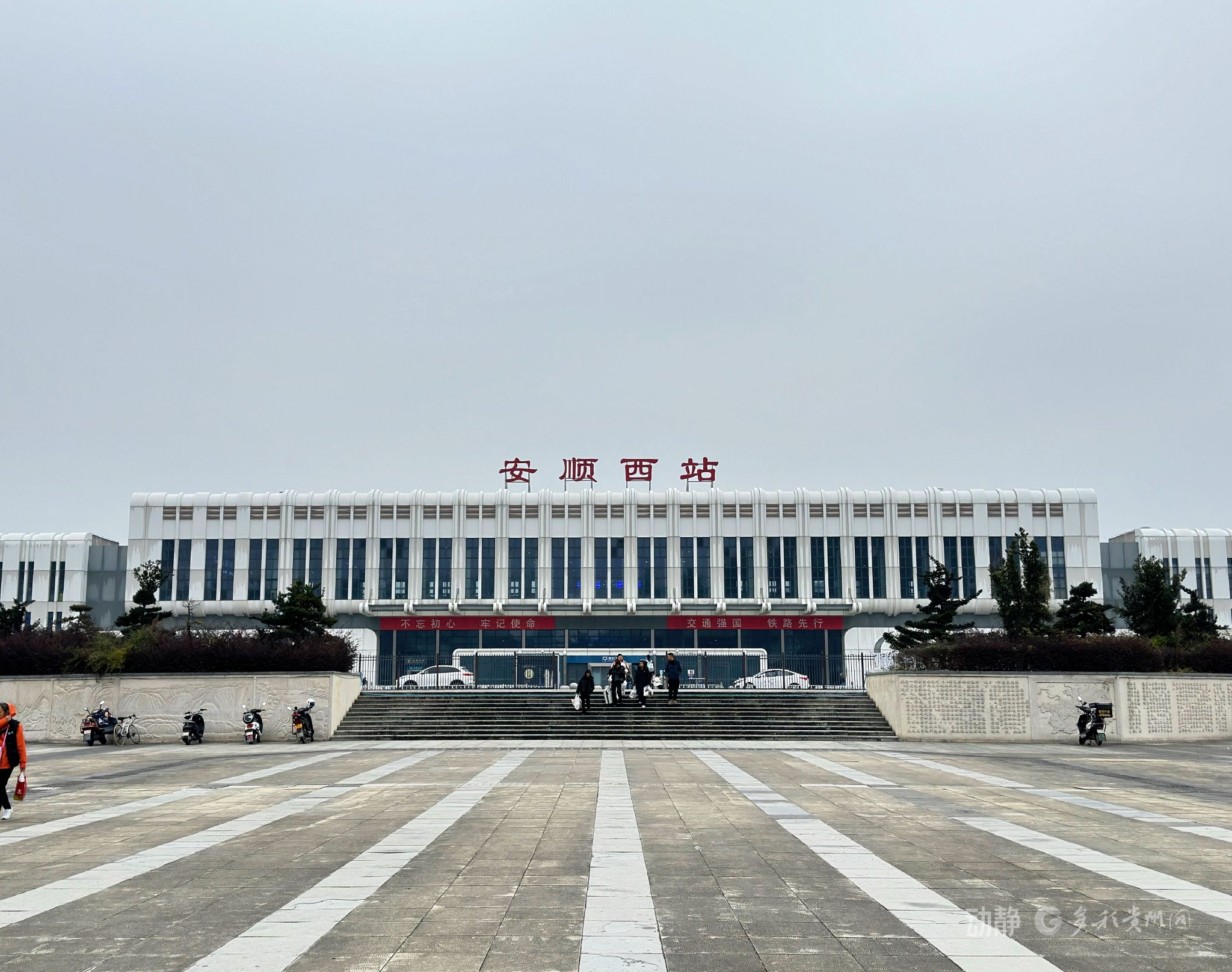
西部第二个,市市通高铁对贵州有何意义?
Sou Hu Cai Jing· 2025-12-01 06:25
Core Viewpoint - The opening of the Panxing High-speed Railway marks a significant advancement for Guizhou, making it the 12th province in China to achieve "city-to-city high-speed rail" connectivity, enhancing regional tourism and economic development [2][4][5]. Summary by Sections High-speed Railway Development - The Panxing High-speed Railway, which opened on November 28, spans 99 kilometers with a design speed of 250 km/h, connecting Liupanshui and Xingyi, significantly reducing travel time between these cities to just 2 hours [2]. - With the addition of the Panxing line, Guizhou's total high-speed rail mileage reaches 1,906 kilometers, positioning it among the top provinces in Western China [9]. Tourism Impact - The new railway line connects rich tourism resources in both Liupanshui and Xingyi, promoting diverse tourism opportunities and enhancing visitor retention and spending [3][11]. - The local tourism bureau has introduced incentives, such as free entry to certain scenic spots for travelers arriving by high-speed train, to attract more visitors [3]. Economic and Regional Development - Guizhou's geographical position as a southwestern transportation hub, combined with national policies supporting infrastructure development, has facilitated its rapid high-speed rail expansion [6][8]. - The high-speed rail network is expected to transform Guizhou from a transportation periphery into a regional hub, attracting investment and fostering industrial growth [12]. Operational Considerations - The economic viability of high-speed rail in Guizhou is under scrutiny, with discussions on how to optimize operations to cover construction and maintenance costs while maximizing benefits [8][12]. - Experts suggest that Guizhou should align high-speed rail development with local economic growth, ensuring a sustainable cycle of construction, operation, and profitability [13].
铁路成网筑牢高质量发展底气
Jing Ji Ri Bao· 2025-11-29 01:55
Core Points - The opening of the Pan-Xing High-Speed Railway marks Guizhou as the first province in Southwest China to achieve full high-speed rail coverage in its central cities [1][2] - The railway significantly reduces travel time from Xingyi to Guiyang to 1 hour and 56 minutes, enhancing local connectivity and economic development [2][3] - The railway integrates with existing transport networks, facilitating seamless connections between various modes of transportation [3][7] Transportation Impact - The Pan-Xing High-Speed Railway completes a critical link in the comprehensive transportation system of Qiannan Prefecture, promoting multi-modal transport development [3] - The railway will operate 7 pairs of trains daily in its initial phase, catering to passenger demand and enhancing regional mobility [2][3] Economic and Tourism Development - The railway is expected to boost tourism by connecting high-quality tourist resources in western Guizhou, facilitating the integration of transportation and tourism [4][5] - Qiannan Prefecture plans to host 92 cultural activities and 52 sports events by the end of January to attract tourists and enhance cultural tourism [5] - Local businesses, including accommodations and dining, are preparing to support increased tourist traffic resulting from the railway's opening [4][6] Future Prospects - The railway's construction reflects Guizhou's ambition to build a rapid transportation network, overcoming geographical challenges and enhancing regional connectivity [7][8] - Guizhou's high-speed rail network is expanding, with plans for additional lines to further integrate the province into national transport frameworks [8]
从第一条铁路到市市通高铁 看贵州铁路建设的山地传奇
Yang Shi Xin Wen Ke Hu Duan· 2025-11-28 07:16
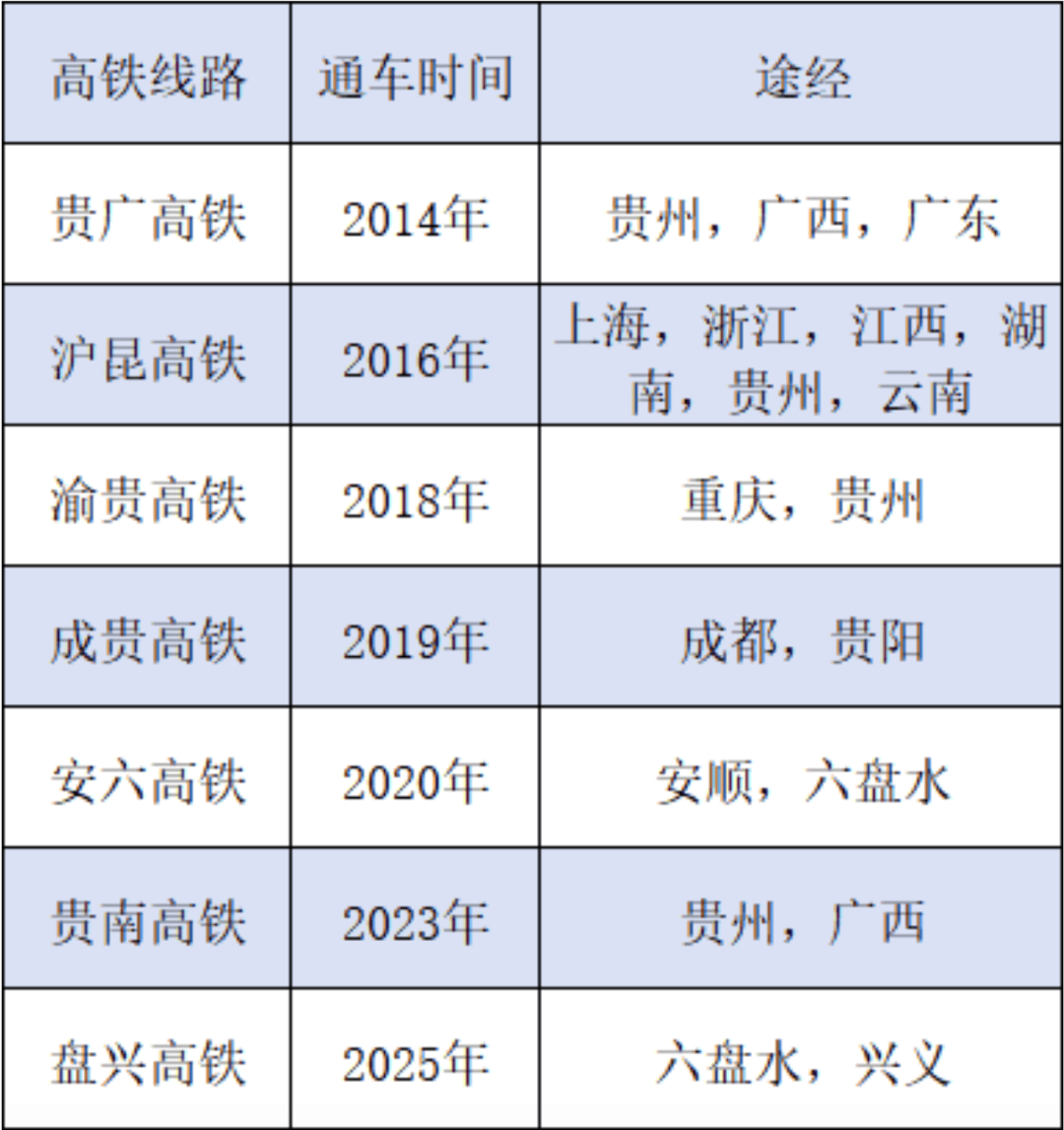
Core Viewpoint - The opening of the Panzhou-Xingyi high-speed railway marks the completion of a high-speed rail network connecting nine major cities in Guizhou, enhancing the province's integration into broader economic and tourism landscapes [1][2] Group 1: High-Speed Rail Development - The Guizhou high-speed rail network connects major tourism and economic resources, facilitating faster access to the Guangdong-Hong Kong-Macau Greater Bay Area [1] - The first high-speed rail line from Guiyang to Guangzhou opened in December 2014, marking Guizhou's entry into the high-speed rail era [1] - The completion of the Hukun high-speed railway in December 2016 established a rapid connection between Guizhou and the Yangtze River Delta [1] - The opening of the Yuxi-Guizhou railway in January 2018 highlighted the region's historical significance and tourism potential [1] - The Chengdu-Guizhou high-speed railway opened in December 2019, linking Guizhou to the Chengdu-Chongqing economic circle [1] - The Gui-Nan high-speed railway, which opened in August 2023, is Guizhou's first line with a speed of 350 km/h, enhancing connectivity to Southeast Asia [1] Group 2: Economic Impact - The completion of the Panzhou-Xingyi high-speed railway fills the last gap in high-speed rail connectivity among Guizhou's nine central cities, reshaping the regional economic landscape [2] - Over the past 11 years, the development of high-speed rail has transformed Guizhou from a "southwest hinterland" into an open frontier [2]