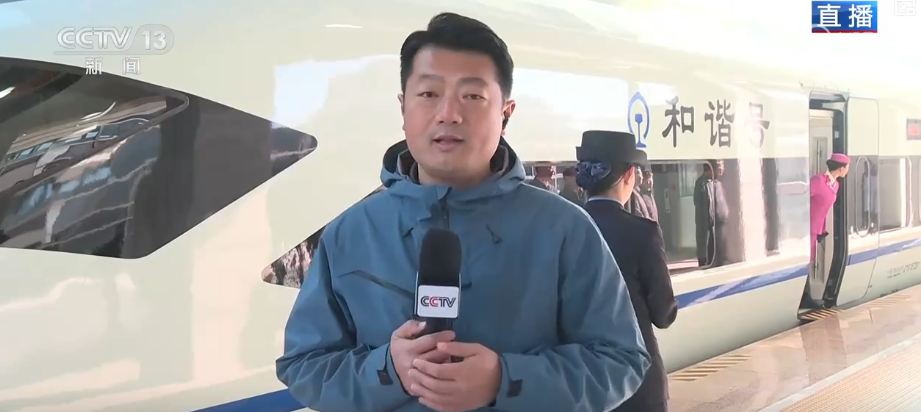
盘兴高铁

Search documents
高铁直达家门口
Xin Lang Cai Jing· 2026-02-09 22:25
Core Insights - The opening of the Panying High-speed Railway Baotian Station has significantly improved travel convenience for local residents, allowing for direct access to major cities like Guangzhou, reducing travel time from a full day to just a few hours [2][3] - The station has implemented thorough service and safety measures for the Spring Festival travel season, including facility inspections and emergency drills to ensure a safe and orderly experience for passengers [3] Group 1 - The Panying High-speed Railway Baotian Station commenced operations on November 28, 2025, transforming the travel experience for residents who previously faced long and arduous journeys [2] - Local residents, such as Deng Cai and Huang Qin, have shared their positive experiences of using the high-speed rail, highlighting the contrast between past travel difficulties and the current ease of access [2] - The station's management has focused on enhancing passenger services, including the installation of ticketing facilities and amenities like charging stations and seating in the waiting area [3] Group 2 - The station has established a partnership with local bus services to ensure seamless connections between train schedules and public transport, improving the overall travel experience for passengers [3] - The stories of local residents reflect broader themes of rural revitalization and regional development, as the high-speed rail not only facilitates travel but also symbolizes hope and growth for the community [3]


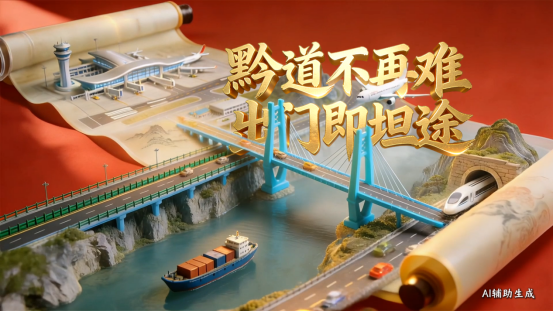
黔道不再难,出门即坦途!
Xin Lang Cai Jing· 2026-01-25 15:08
Core Viewpoint - In 2025, Guizhou province has undergone a significant transformation in its transportation infrastructure, marking a historical shift from being geographically isolated to becoming a well-connected hub with extensive rail, road, air, and water transport networks [1][24]. Transportation Developments - High-speed rail has achieved full coverage across nine administrative centers in Guizhou, with the opening of the Panxing high-speed rail in November 2025, reducing travel time from 3.5 hours to under 2 hours between key cities [3][5]. - The total operational mileage of high-speed rail reached 1,906 kilometers, with a total railway operational mileage of 4,419 kilometers [5]. - Guizhou has established six high-speed rail corridors for interprovincial travel, contributing to a total of 17 railway corridors connecting to other provinces [7]. Road Infrastructure - The total length of highways in Guizhou has reached 9,563 kilometers, with an increase of 1,786 kilometers since the end of the 13th Five-Year Plan, achieving dual highway access for all counties [9]. - The overall road network exceeds 220,000 kilometers, with 45 major land routes out of the province, enhancing connectivity [9]. Bridge Construction - Guizhou has built over 30,000 bridges, with nearly half of the world's top 100 high bridges located in the province, showcasing its engineering capabilities [15]. - The Huajiang Gorge Bridge, completed in September 2025, is recognized as the highest bridge in mountainous regions and features the world's longest main span for a steel truss suspension bridge [11][13]. Aviation Expansion - By December 2025, Guizhou achieved full airport coverage across its cities, with the completion of Dejiang Airport, serving over 5 million residents [15][19]. - The Guizhou Longdongbao Airport has an annual passenger throughput exceeding 20 million, with 321 air routes connecting to 265 cities [19]. Waterway Revival - The revival of the Wujiang River's four-level navigation channel has reestablished a vital waterway, facilitating transport to the Yangtze and Pearl Rivers [20]. - The total length of inland waterways in Guizhou has reached 3,954 kilometers, with modernized facilities enhancing cargo transport efficiency [22]. Overall Impact - In 2025, Guizhou's transportation network achieved a 96.5% completion rate for the national comprehensive transportation framework, fostering a fully integrated transport system [24]. - The advancements in transportation have not only improved accessibility but also stimulated tourism, industrial upgrades, and rural revitalization, transforming Guizhou into a model of connectivity and development [24].
贵州有“度”量!看2025年刷屏全国的贵州“符号”
Xin Lang Cai Jing· 2025-12-31 05:29
Group 1 - Guizhou is leveraging its cultural and tourism integration, particularly with the release of "Nezha 2" during the 2025 Spring Festival, attracting nationwide audiences to its IMAX-GT cinema [2] - The city has over 3,000 coffee shops, leading the nation in density, and has become known for its "Morning Coffee, Evening Craft Beer" lifestyle, injecting new vitality into the consumer market [7] - The completion of the Huajiang Grand Canyon Bridge in September 2025, with a main span of 1,420 meters and a height of 625 meters above water, has improved regional transportation and activated a new ecosystem for bridge tourism integration [15] Group 2 - Guizhou's computing power has significantly supported the production of films, with over 40% of the special effects in "Nezha 2" backed by local computing capabilities, which reached a scale of 92 Eflops by July 2025 [19] - The opening of the Panxing High-Speed Railway on November 28, 2025, marks Guizhou as the first province in Southwest China to achieve high-speed rail coverage for all administrative centers, benefiting 2.98 million people [23] - The various developments in Guizhou reflect a comprehensive approach to development, connecting urban and rural areas, tradition and modernity, and domestic and international perspectives, showcasing the province's vibrant future [27]

贵州“市市通高铁”,到底有多重要?
3 6 Ke· 2025-12-04 02:52
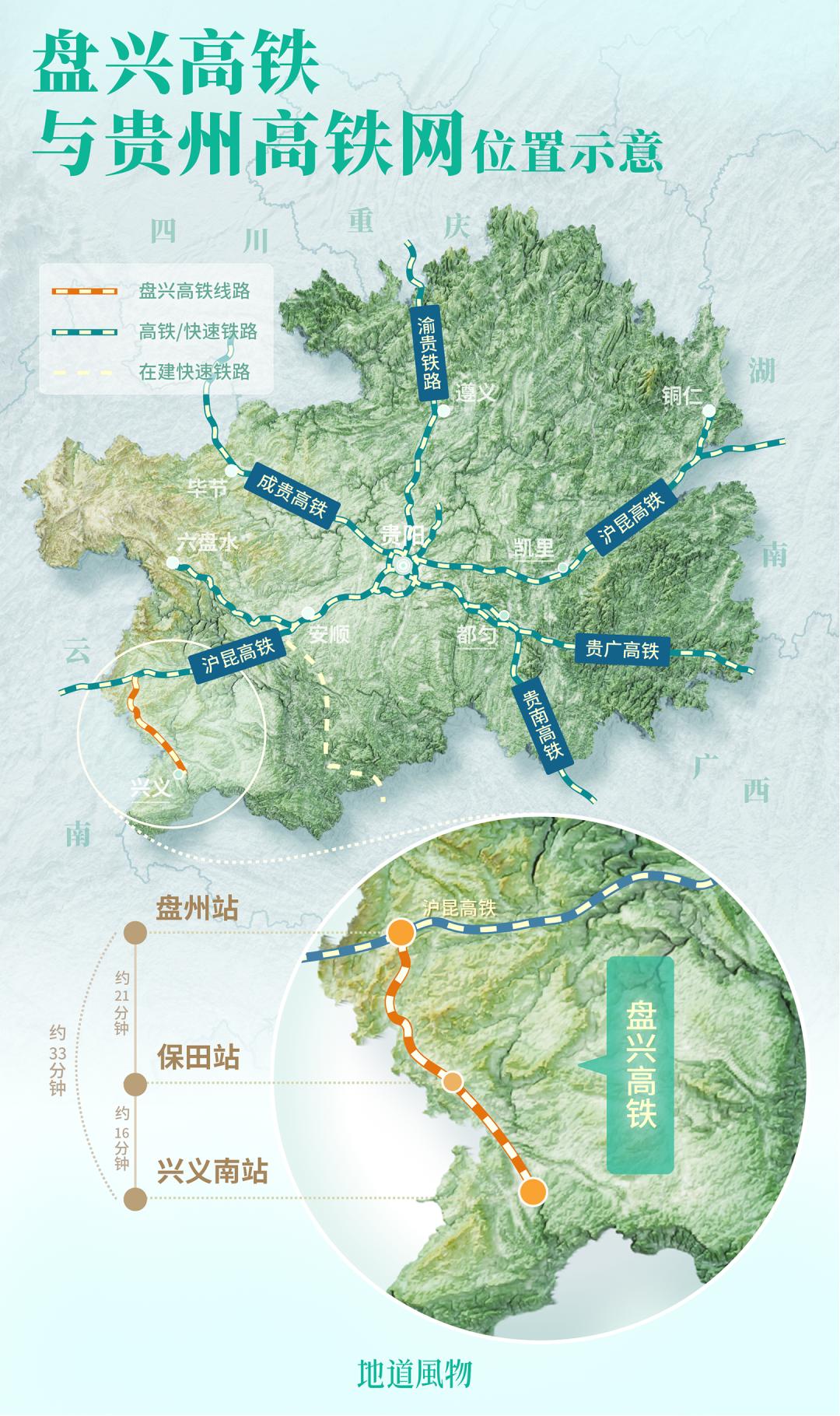
Core Insights - The opening of the Panxing High-Speed Railway marks a significant infrastructure achievement in Guizhou, connecting Liupanshui and Qianxinan, reducing travel time from over four hours to under two hours between Guiyang and Xingyi [1][4] - The railway features a bridge-tunnel ratio of nearly 91%, making it a remarkable engineering feat and establishing Guizhou as the first province in Southwest China to achieve high-speed rail coverage for all city-level centers [1][5] - The railway enhances economic connectivity in the region, creating a "golden tourism belt" that integrates cultural and tourism resources across Guizhou's western counties [1][6] Infrastructure Development - The Panxing High-Speed Railway is a culmination of Guizhou's efforts over the past two decades to improve transportation, overcoming geographical challenges with over 2,800 tunnels and 30,000 bridges [4][5] - The railway includes 46 bridges and 38 tunnels along its 99-kilometer route, with advanced technologies ensuring safety and efficiency during construction [5][6] - Guizhou's total highway mileage exceeds 9,000 kilometers, and high-speed rail coverage is approximately 1,900 kilometers, positioning it among the top in Western China [5] Economic Impact - The railway connects Qianxinan to the national railway network, facilitating tighter integration with major economic regions such as the Yangtze River Delta and the Guangdong-Hong Kong-Macau Greater Bay Area [6][9] - The Panxing High-Speed Railway is expected to extend to Baise in Guangxi, enhancing Guizhou's access to maritime routes and transforming it into a crucial hub in the new western land-sea corridor [9][20] - The railway's opening is anticipated to stimulate tourism and economic growth in the region, making it easier for visitors from major cities to explore Guizhou's natural and cultural attractions [22][23] Cultural and Historical Significance - The areas served by the Panxing High-Speed Railway, particularly Panxian and Xingyi, have historically been important nodes in transportation networks, dating back to ancient trade routes [10][12] - The railway not only facilitates modern travel but also revives historical connections, enhancing cultural exchanges between Guizhou and neighboring regions [10][12] - The design of the railway stations reflects local cultural symbols, integrating the natural landscape into the travel experience [15][19]
西部第二个,市市通高铁对贵州有何意义?
Sou Hu Cai Jing· 2025-12-01 06:25
Core Viewpoint - The opening of the Panxing High-speed Railway marks a significant advancement for Guizhou, making it the 12th province in China to achieve "city-to-city high-speed rail" connectivity, enhancing regional tourism and economic development [2][4][5]. Summary by Sections High-speed Railway Development - The Panxing High-speed Railway, which opened on November 28, spans 99 kilometers with a design speed of 250 km/h, connecting Liupanshui and Xingyi, significantly reducing travel time between these cities to just 2 hours [2]. - With the addition of the Panxing line, Guizhou's total high-speed rail mileage reaches 1,906 kilometers, positioning it among the top provinces in Western China [9]. Tourism Impact - The new railway line connects rich tourism resources in both Liupanshui and Xingyi, promoting diverse tourism opportunities and enhancing visitor retention and spending [3][11]. - The local tourism bureau has introduced incentives, such as free entry to certain scenic spots for travelers arriving by high-speed train, to attract more visitors [3]. Economic and Regional Development - Guizhou's geographical position as a southwestern transportation hub, combined with national policies supporting infrastructure development, has facilitated its rapid high-speed rail expansion [6][8]. - The high-speed rail network is expected to transform Guizhou from a transportation periphery into a regional hub, attracting investment and fostering industrial growth [12]. Operational Considerations - The economic viability of high-speed rail in Guizhou is under scrutiny, with discussions on how to optimize operations to cover construction and maintenance costs while maximizing benefits [8][12]. - Experts suggest that Guizhou should align high-speed rail development with local economic growth, ensuring a sustainable cycle of construction, operation, and profitability [13].
铁路成网筑牢高质量发展底气
Jing Ji Ri Bao· 2025-11-29 01:55
Core Points - The opening of the Pan-Xing High-Speed Railway marks Guizhou as the first province in Southwest China to achieve full high-speed rail coverage in its central cities [1][2] - The railway significantly reduces travel time from Xingyi to Guiyang to 1 hour and 56 minutes, enhancing local connectivity and economic development [2][3] - The railway integrates with existing transport networks, facilitating seamless connections between various modes of transportation [3][7] Transportation Impact - The Pan-Xing High-Speed Railway completes a critical link in the comprehensive transportation system of Qiannan Prefecture, promoting multi-modal transport development [3] - The railway will operate 7 pairs of trains daily in its initial phase, catering to passenger demand and enhancing regional mobility [2][3] Economic and Tourism Development - The railway is expected to boost tourism by connecting high-quality tourist resources in western Guizhou, facilitating the integration of transportation and tourism [4][5] - Qiannan Prefecture plans to host 92 cultural activities and 52 sports events by the end of January to attract tourists and enhance cultural tourism [5] - Local businesses, including accommodations and dining, are preparing to support increased tourist traffic resulting from the railway's opening [4][6] Future Prospects - The railway's construction reflects Guizhou's ambition to build a rapid transportation network, overcoming geographical challenges and enhancing regional connectivity [7][8] - Guizhou's high-speed rail network is expanding, with plans for additional lines to further integrate the province into national transport frameworks [8]
盘兴高铁通车 贵州各市州中心城市高铁全覆盖
Ren Min Ri Bao· 2025-11-28 22:06
Core Points - The Guizhou Panxun High-Speed Railway has been completed and opened for operation, marking the full coverage of high-speed rail in all central cities of Guizhou province [1] - The total length of the Panxun High-Speed Railway is approximately 99 kilometers, with a designed speed of 250 kilometers per hour [1]
盘兴高铁正式通车 贵州实现省内各市州高铁全覆盖
Ren Min Wang· 2025-11-28 08:22
Core Viewpoint - The opening of the Pan-Xing High-Speed Railway marks the achievement of full high-speed rail coverage across all cities and states in Guizhou Province [1][2][3][4] Group 1 - The Pan-Xing High-Speed Railway has officially commenced operations, enhancing transportation connectivity within Guizhou Province [1][2] - This development signifies a milestone in the province's infrastructure, enabling faster travel times and improved accessibility for residents and businesses [3][4] - The completion of this railway project is expected to stimulate economic growth and promote tourism in the region [1][3]
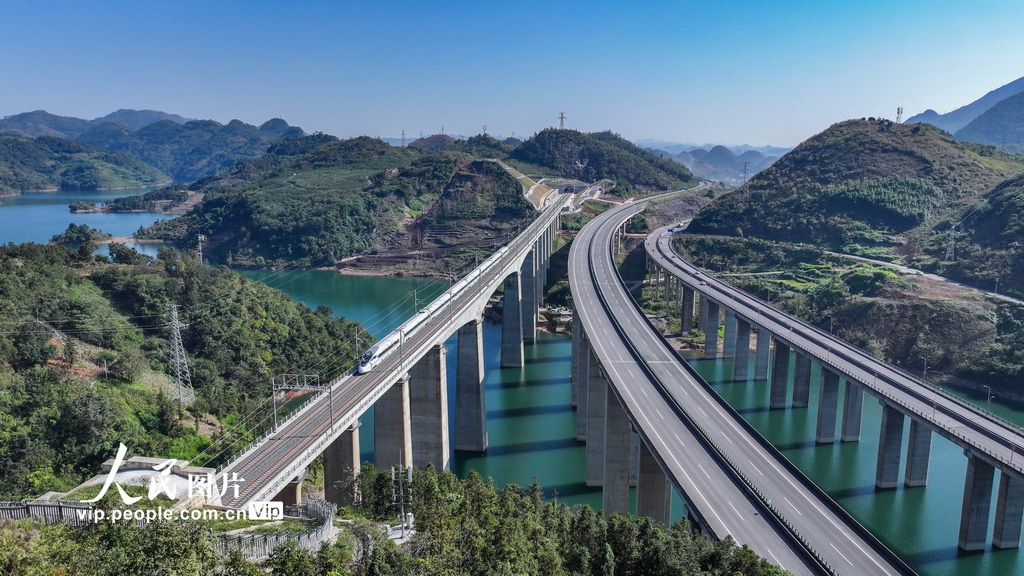
从第一条铁路到市市通高铁 看贵州铁路建设的山地传奇
Yang Shi Xin Wen Ke Hu Duan· 2025-11-28 07:16
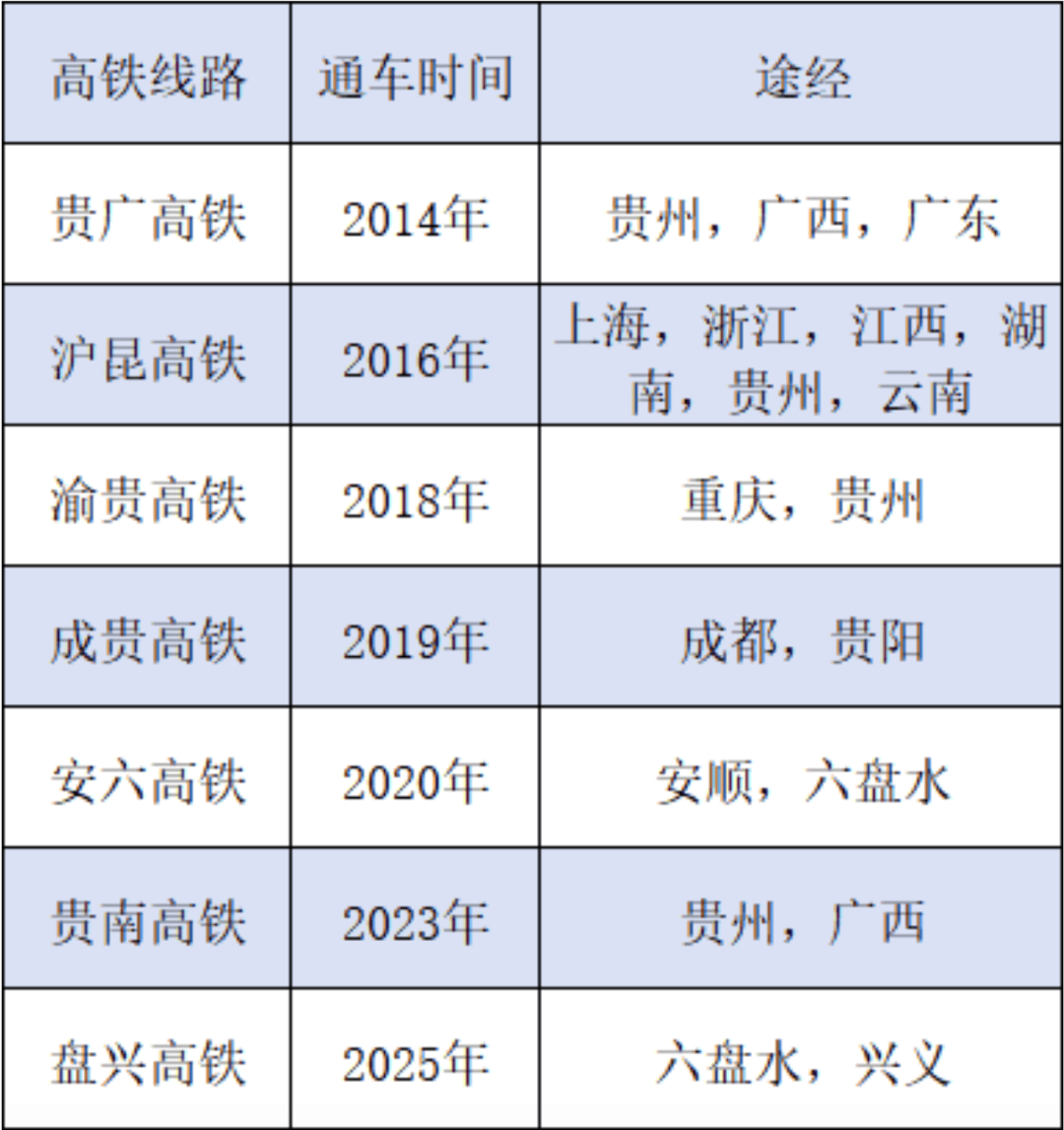
Core Viewpoint - The opening of the Panzhou-Xingyi high-speed railway marks the completion of a high-speed rail network connecting nine major cities in Guizhou, enhancing the province's integration into broader economic and tourism landscapes [1][2] Group 1: High-Speed Rail Development - The Guizhou high-speed rail network connects major tourism and economic resources, facilitating faster access to the Guangdong-Hong Kong-Macau Greater Bay Area [1] - The first high-speed rail line from Guiyang to Guangzhou opened in December 2014, marking Guizhou's entry into the high-speed rail era [1] - The completion of the Hukun high-speed railway in December 2016 established a rapid connection between Guizhou and the Yangtze River Delta [1] - The opening of the Yuxi-Guizhou railway in January 2018 highlighted the region's historical significance and tourism potential [1] - The Chengdu-Guizhou high-speed railway opened in December 2019, linking Guizhou to the Chengdu-Chongqing economic circle [1] - The Gui-Nan high-speed railway, which opened in August 2023, is Guizhou's first line with a speed of 350 km/h, enhancing connectivity to Southeast Asia [1] Group 2: Economic Impact - The completion of the Panzhou-Xingyi high-speed railway fills the last gap in high-speed rail connectivity among Guizhou's nine central cities, reshaping the regional economic landscape [2] - Over the past 11 years, the development of high-speed rail has transformed Guizhou from a "southwest hinterland" into an open frontier [2]
从“连峰际天兮,飞鸟不通”到市市通高铁 一日千里的交通“加速度”为经济注入强引擎
Yang Shi Wang· 2025-11-28 02:52
Core Viewpoint - The opening of the Panxing High-speed Railway on November 28 marks the completion of a high-speed rail network connecting all nine central cities in Guizhou Province, enhancing regional connectivity and economic integration [2][4]. Group 1: High-speed Rail Development - The Panxing High-speed Railway connects the cities of Panxian and Xingyi, allowing for direct high-speed rail access across Guizhou [2][4]. - The completion of this railway signifies the establishment of a robust high-speed rail backbone network in Guizhou, linking major tourism and economic resources [4][16]. - The high-speed rail network has transformed Guizhou from a remote area into a front-line for openness and development [19]. Group 2: Historical Context - Guizhou entered the high-speed rail era with the opening of the Guiyang-Guangzhou line in December 2014, which was the first high-speed rail in the province [7]. - Subsequent developments included the opening of the Hukun High-speed Railway in December 2016, providing a rapid connection to the Yangtze River Delta [10]. - The opening of the Yuxi-Guizhou Railway in January 2018 and the Chengdu-Guizhou High-speed Railway in December 2019 further integrated Guizhou into key economic regions [12][14]. Group 3: Economic and Tourism Impact - The high-speed rail network facilitates easier access to tourist attractions, enhancing the tourism industry in Guizhou [7][10]. - The connectivity provided by the high-speed rail allows for quicker transportation of local products to major markets, boosting the local economy [7][19]. - The recent opening of the GuiNan High-speed Railway in August 2023, which connects Guizhou and Guangxi, further enhances Guizhou's access to Southeast Asia [17].