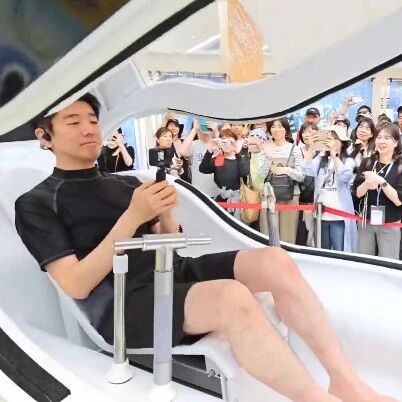
洗澡机器人

Search documents
一个老人眼中的AI幻象
投资界· 2026-02-13 07:28
Core Viewpoint - The article discusses the illusion of AI in elderly care, highlighting the gap between public expectations and the current capabilities of AI technology in this sector [4][11][23]. Group 1: AI and Elderly Care Expectations - Many individuals across different age groups believe that AI will soon be able to provide care for the elderly, reflecting a widespread hope for technological solutions to aging issues [4][5]. - The perception of AI as a solution to elderly care stems from fears of loneliness and inadequate human support in an aging society, leading to unrealistic expectations about the capabilities of robots [5][6]. Group 2: Historical Context of AI in Elderly Care - Japan's experience with elderly care robots began in the 1970s, with significant investments and developments, yet the actual impact of these robots has been minimal, with usage rates below 2% [6][7]. - Despite the introduction of various robots, such as Pepper, which was marketed as an emotional companion, the reality of their functionality has often fallen short of expectations, leading to their discontinuation [8][12]. Group 3: Real-World Applications and Limitations - Current AI applications in elderly care are primarily focused on software solutions, such as large language models, which assist in managing inquiries and training rather than physical caregiving [12][13]. - The article emphasizes that while AI can enhance certain aspects of elderly care, such as health management and daily reminders, the expectation of fully autonomous caregiving robots remains unrealistic [14][23]. Group 4: Misleading Marketing and Industry Dynamics - The marketing of AI robots often blurs the lines between actual capabilities and consumer expectations, leading to a perception of advanced technology that does not align with reality [16][18]. - Companies in the sector may exploit the term "robot" to market products that do not meet the functional needs of elderly care, contributing to a cycle of false hope [18][19]. Group 5: Future Directions and Ethical Considerations - The article suggests that while the traditional AI functions in elderly care may seem simplistic, they still hold potential for development and improvement [21][22]. - It calls for a more honest dialogue about the capabilities of AI in elderly care, urging the industry to respect the needs and expectations of the elderly rather than perpetuating illusions [23][24].

270万元的洗澡机器人,4万人报名体验,人类离“全自动洗澡”有多远?
机器人大讲堂· 2025-12-30 14:00
Core Viewpoint - The emergence of a bathing robot developed by Japan's Science company signifies a potential revolution in bathroom automation, reflecting an overlooked consumer demand for smart bathing solutions [1][8]. Group 1: Product Features and Technology - The bathing robot features numerous sensors that monitor users' physiological data, such as heart rate and skin moisture, allowing it to adjust water flow and temperature accordingly [2]. - It utilizes the Mirable micro-bubble technology, which cleans without soap by using negatively charged micro-bubbles to attract dirt and oil from the skin [2]. - The transparent cover of the robot serves as a display screen, providing relaxing visuals during the bathing process [4]. Group 2: Market Demand and Growth - Market research indicates that smart shower and bathroom products have maintained double-digit growth rates in recent years, suggesting a healthy demand for more intelligent bathing solutions [9]. - The current market for smart bathing products is categorized into three stages: basic affordable products, automated function products requiring user input, and fully integrated smart products like the bathing robot [9]. Group 3: Industry Landscape and Competition - Major companies like Huawei, Midea, and Haier have made significant strides in the smart home sector, but their advancements in bathroom technology remain relatively basic compared to other areas [12]. - The bathing robot's current model is not yet a consumer product, with a size of 2.5 meters long and a price of 60 million yen (approximately 2.7 million RMB), indicating a gap between prototype and market-ready products [13]. Group 4: Future Directions and Challenges - Future developments in bathing robots will focus on integrating materials, structure, and control systems, as well as enhancing information management through cloud technology [17]. - Current bathing robots lack the capability to integrate with other smart home devices, highlighting a need for future innovations to create a cohesive smart home ecosystem [17]. Group 5: Societal Implications - The discussion around bathing robots extends beyond convenience, addressing the needs of the elderly and disabled populations who face significant challenges with traditional bathing methods [20]. - The contrast between high-end bathing robots and more practical solutions for elderly care illustrates a broader trend in technology's role in enhancing human dignity and quality of life [21].