情感陪伴机器人

Search documents
一个老人眼中的AI幻象
投资界· 2026-02-13 07:28
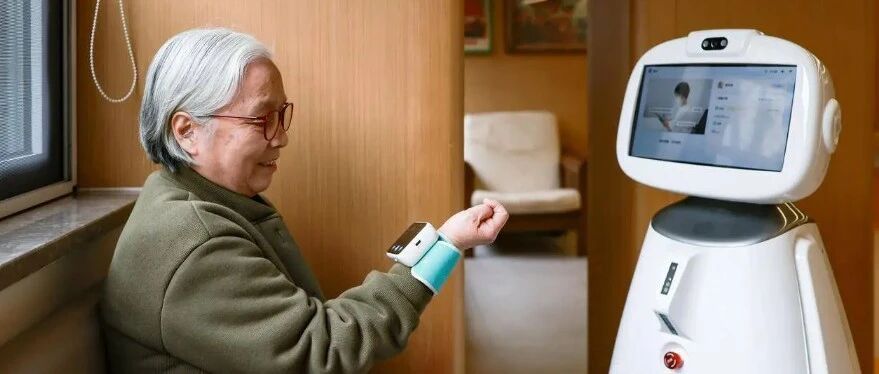
Core Viewpoint - The article discusses the illusion of AI in elderly care, highlighting the gap between public expectations and the current capabilities of AI technology in this sector [4][11][23]. Group 1: AI and Elderly Care Expectations - Many individuals across different age groups believe that AI will soon be able to provide care for the elderly, reflecting a widespread hope for technological solutions to aging issues [4][5]. - The perception of AI as a solution to elderly care stems from fears of loneliness and inadequate human support in an aging society, leading to unrealistic expectations about the capabilities of robots [5][6]. Group 2: Historical Context of AI in Elderly Care - Japan's experience with elderly care robots began in the 1970s, with significant investments and developments, yet the actual impact of these robots has been minimal, with usage rates below 2% [6][7]. - Despite the introduction of various robots, such as Pepper, which was marketed as an emotional companion, the reality of their functionality has often fallen short of expectations, leading to their discontinuation [8][12]. Group 3: Real-World Applications and Limitations - Current AI applications in elderly care are primarily focused on software solutions, such as large language models, which assist in managing inquiries and training rather than physical caregiving [12][13]. - The article emphasizes that while AI can enhance certain aspects of elderly care, such as health management and daily reminders, the expectation of fully autonomous caregiving robots remains unrealistic [14][23]. Group 4: Misleading Marketing and Industry Dynamics - The marketing of AI robots often blurs the lines between actual capabilities and consumer expectations, leading to a perception of advanced technology that does not align with reality [16][18]. - Companies in the sector may exploit the term "robot" to market products that do not meet the functional needs of elderly care, contributing to a cycle of false hope [18][19]. Group 5: Future Directions and Ethical Considerations - The article suggests that while the traditional AI functions in elderly care may seem simplistic, they still hold potential for development and improvement [21][22]. - It calls for a more honest dialogue about the capabilities of AI in elderly care, urging the industry to respect the needs and expectations of the elderly rather than perpetuating illusions [23][24].


以租代购提升养老服务温度
Jing Ji Ri Bao· 2026-01-27 22:15
Core Insights - The implementation of the "Shanghai Community Rehabilitation Aids Rental Service Directory (2025 Edition)" marks a significant innovation in the elderly care sector, allowing senior citizens to access advanced rehabilitation aids like emotional companion robots and smart nursing robots at a low cost [1][2] Group 1: Community Rental Service - The community rental service aims to lower the usage threshold for smart aids, alleviating the caregiving pressure on families and optimizing resource allocation [1] - The rental model allows elderly individuals to experience the benefits of technology in their daily lives, with subsidized costs making high-tech products more accessible [1][2] - For instance, the quarterly rental fee for an emotional companion robot, originally priced over a thousand yuan, is reduced to 120 yuan after subsidies [1] Group 2: Technological and Human Integration - The rental model promotes deep integration of technology and human needs, addressing the emotional and physiological requirements of the elderly [2] - Emotional companion robots can engage in conversation, simulate emotions, and generate life memoirs, while smart nursing robots enhance dignity and comfort during care [2] - This model fosters a collaborative ecosystem in the silver economy, benefiting enterprises, service providers, and users alike [2] Group 3: Policy and Implementation Recommendations - Shanghai's initiative provides valuable insights for other cities to enhance elderly care services, emphasizing a demand-driven directory update mechanism [3] - A collaborative model involving government subsidies, market operations, and community engagement is recommended to create sustainable business practices [3] - The establishment of a one-stop service platform integrating online and offline resources is suggested to streamline access to services for the elderly [3]
政策风吹来了,养老机器人产业快速发展还会远吗?
机器人大讲堂· 2026-01-15 04:00
Core Viewpoint - The article highlights the emergence of the elderly care robot industry as a significant opportunity driven by supportive policies, technological advancements, and increasing demand, with 2026 expected to be a pivotal year for the sector [1][5][30]. Policy Support - Eight government departments jointly issued measures to foster the development of elderly care service operators, marking the official arrival of the elderly care robot trend [1]. - The policy encourages technological innovation and product development in elderly care robotics, focusing on daily care, emotional support, and social assistance for the elderly [3]. - A comprehensive policy framework has been established, transitioning from mere encouragement to substantial support, including pilot programs and standardization [5][6]. Market Dynamics - The elderly care robot industry is experiencing a "triple dividend" of policy support, technological maturity, and explosive demand, revealing a market potential worth trillions [5]. - By 2025, government procurement is projected to account for 28% of the elderly care robot market, acting as a significant growth engine [11]. - The elderly population in China is expected to exceed 20% by 2031, intensifying the demand for innovative care solutions [13]. Technological Advancements - The article emphasizes the importance of integrating advanced technologies such as AI, robotics, and smart home systems to provide comprehensive support for the elderly [3][30]. - Innovations in product design and functionality are being driven by the need to address specific challenges faced by the elderly, such as mobility and emotional companionship [15][19]. Consumer Trends - There is a notable shift in consumer preferences among the elderly, moving from basic needs to a focus on quality, safety, and usability of elderly care robots [20]. - The willingness to pay a premium for high-quality products has increased significantly, with 57% of users willing to pay more for superior features by 2024 [20]. Industry Challenges - The elderly care robot industry has faced challenges such as high costs, reliability issues, and low user acceptance, which have hindered widespread adoption [23]. - Recent advancements in domestic manufacturing and innovative business models, such as rental and insurance services, are helping to lower costs and improve accessibility [26][23]. Future Trends - The industry is expected to evolve towards more specialized products tailored to specific needs, integrating AI for proactive service delivery, and creating an ecosystem that combines hardware, services, and insurance [31][33]. - The article predicts that the elderly care robot market will transition from niche technology to a mainstream necessity, driven by policy support, technological breakthroughs, and increased market acceptance [35][36].
四川具身科技冯振宇:人形机器人在情感陪伴场景更易落地
Zhong Guo Zheng Quan Bao· 2025-12-08 00:14
Group 1 - The core viewpoint is that humanoid robots are seen as a key carrier of the Fourth Industrial Revolution and are expected to become an important factor in future productivity [1] - The humanoid robot industry is entering a critical mass production phase, with companies actively exploring commercialization paths, particularly in emotional companionship scenarios which are deemed more feasible given current technology levels [2][3] Group 2 - Emotional interaction is identified as a key to breaking through in commercialization, with the year 2025 projected to be a milestone for mass production of humanoid robots, although the industry still faces multiple bottlenecks [2] - Current technology limitations in precision and core components hinder the large-scale deployment of humanoid robots in industrial settings, while emotional companionship scenarios show higher feasibility due to lower performance requirements [2] Group 3 - The market potential for emotional companionship robots is significant, with research indicating a growing demand for companionship in modern households, potentially reaching a market size of hundreds of billions and over a million units in promotion potential [3] Group 4 - Companies must break away from traditional industrial application dependencies and seek new opportunities through differentiated competition, with technological innovation being the core driving force for development [4] - Sichuan Embodied Technology has developed the first "Emotion-Language-Action" large model in China to support emotional interaction functions and has launched various humanoid robot platforms and solutions across multiple sectors [4] - The company leverages local cultural and industrial advantages in Chengdu to innovate products, integrating cultural elements into robot design to create emotional and cultural companionship [4]

临汾路街道首创适老化改造直通车 方便老人体验“未来的家” “移动养老样板间”来到家门口
Jie Fang Ri Bao· 2025-10-30 01:40
Core Viewpoint - The "Linfen Future Home" mobile elderly-friendly renovation service aims to enhance the living conditions of the elderly by providing smart and safe home environments through community engagement and innovative design [1][4]. Group 1: Service Features - The mobile service includes various functional compartments such as a "Smart Safety Kitchen Experience Room" and a "Worry-Free Bathroom Experience Room," designed to replicate essential living scenarios for the elderly [1][4]. - The kitchen compartment showcases an intelligent safety warning system and user-friendly designs like pull-down cabinets and non-slip flooring, allowing residents to experience the safety features firsthand [2]. - The bathroom compartment focuses on reducing fall risks with comprehensive handrail systems and safety modifications, emphasizing the importance of user feedback in service design [2][3]. Group 2: Community Engagement - The initiative is part of a broader effort to create a "family care model" by integrating government, enterprise, and community resources to modernize elderly care services [4]. - The mobile service addresses previous concerns from residents about accessibility to sample homes by bringing the service directly to their neighborhoods [4][5]. - The program will rotate monthly through different residential areas, ensuring that elderly residents can easily access and experience the benefits of the "Future Home" concept [5]. Group 3: Overall Impact - The "Linfen Future Home" initiative aims to create a benchmark for elderly-friendly communities, providing comprehensive services that cover daily living needs and healthcare integration [5]. - The project has already received recognition, with certain neighborhoods being awarded as "National Demonstration Elderly-Friendly Communities" due to their innovative and detailed community services [5].
智造出海×数字化运营:如何破解智能硬件增长难题,行业大咖揭示新机遇
Sou Hu Cai Jing· 2025-10-29 12:24
Group 1 - The core viewpoint of the articles is that the Chinese smart hardware industry is experiencing unprecedented opportunities for international expansion driven by globalization and AI technology, while also facing challenges in communication and marketing in diverse environments [2][5][10]. - The transition from a product-centric era to a service-oriented era is highlighted, where hardware serves as an entry point for AI services, emphasizing the importance of long-term user engagement and subscription models [6][9][10]. - Three new entrepreneurial opportunities are identified: moving from "smart home" to "environmental intelligence," developing "embodied intelligent business" applications in specific scenarios, and the trend of hardware-based AI personal assistants [10][15][18]. Group 2 - The article discusses the advantages of crowdfunding as a potential first step for smart hardware companies entering overseas markets, showcasing successful case studies and the benefits of early user feedback [38][40][41]. - The crowdfunding process is outlined in three phases: pre-testing, warming up, and launching, emphasizing the importance of market research and effective communication strategies [45][49]. - The role of cloud communication platforms, such as Telesign, is emphasized in helping companies efficiently reach users and manage accounts across different regions, addressing challenges in cross-border operations [23][25][28][30]. Group 3 - The concept of "relationship intelligence" is introduced, focusing on creating AI interactions tailored for the elderly, addressing their emotional needs and daily living assistance [64][66][72]. - The development of an emotional companion robot for the elderly is discussed, highlighting the importance of proactive engagement, rich communication, and the growth of relationships between users and robots [74][75][78]. - The potential market for elderly care solutions is significant, with the aging population in China expected to reach nearly 400 million in the next decade, indicating a pressing need for innovative technological solutions [72][78].



开拓服务消费新增长点
Jing Ji Ri Bao· 2025-09-16 00:04
Core Viewpoint - The recent Central Political Bureau meeting emphasized the need to implement actions to boost consumption, particularly focusing on cultivating new growth points in service consumption to meet the increasing demands of the population and stimulate economic growth [1] Group 1: Service Consumption Growth - The service consumption sector is gaining momentum, with a 5.2% year-on-year increase in service retail sales from January to July this year [1] - Key sectors such as dining, tourism, entertainment, sports, and elderly care are showing positive growth trends, with traditional festivals and intangible cultural heritage elements being integrated into the dining industry [1] - The "concert economy" and film market are thriving, driving the development of related industries like cultural tourism and creative industries [1] Group 2: Challenges and Solutions - Despite the broad market for service consumption, challenges such as insufficient quality service supply, suboptimal consumption environment, and low levels of service industry openness are hindering potential growth [2] - To address these issues, measures should be taken to enhance the supply of quality services, including increasing openness in the service industry and attracting foreign investment in sectors like culture, entertainment, and healthcare [2] - Improving the service consumption environment is crucial, which includes establishing quality standards, enforcing regulations, and promoting industry self-discipline [2] Group 3: Enhancing Inbound Consumption - The facilitation of inbound consumption can be improved by expanding the list of visa-free countries and extending the stay duration for transit visa-free travelers [3] - Encouraging the use of international electronic wallets and establishing cross-border payment mechanisms will enhance the mobile payment experience for foreign visitors [3] - Supporting duty-free shops to diversify their product offerings and attract more international brands will further stimulate consumption [3]
建好智慧养老的软硬件
Jing Ji Ri Bao· 2025-06-12 22:04
Group 1: Core Insights - The integration of digital technology has made smart elderly care more accessible, utilizing IoT, big data, cloud computing, and AI to enhance service quality and shift from survival-based to quality-based elderly care [1] - The smart elderly care service market is vast and promising, yet it faces challenges such as outdated policies, low levels of technological innovation, and a lack of mature business models [2] Group 2: Policy and Regulation - There is a need for comprehensive legal frameworks and industry standards to support the development of smart elderly care, including tax incentives and financial subsidies [3] - The establishment of a national health record and demand database for the elderly is essential to better serve the smart elderly care industry [3] Group 3: Market Mechanisms - Exploring diverse business models such as remote health management platforms and community smart elderly care services is crucial for market development [4] - A cross-departmental coordination mechanism should be established to stimulate market vitality and foster leading enterprises in the smart elderly care sector [4]
马斯克看好的AI玩具,成了商场新印钞机
创业邦· 2025-03-31 02:53
Core Viewpoint - The rapid rise of AI toys reflects a significant shift in consumer preferences, driven by technological advancements and emotional engagement, with the market expected to exceed 30 billion by 2025 [8][19][62]. Group 1: Market Dynamics - AI toys have gained immense popularity, with orders surging and factories working overtime to meet demand, indicating a robust market trend [8][9]. - The first batch of AI toy manufacturers has seen substantial profits, highlighting the lucrative nature of this emerging sector [9]. - The market for AI toys is projected to reach over 30 billion by 2025, with significant growth already observed in 2023 [8][19]. Group 2: Technological Integration - AI toys are equipped with advanced features such as emotional recognition and interactive capabilities, enhancing user experience and engagement [6][17]. - The integration of AI technology has transformed traditional toy manufacturing, allowing for rapid production and cost efficiency [36][40]. - Companies are leveraging open-source technology to facilitate the development of AI toys, enabling smaller firms to innovate without extensive resources [40]. Group 3: Cultural and Emotional Appeal - AI toys are not just for entertainment; they serve educational and emotional needs, appealing to a broader consumer base [28][62]. - The trend of combining cultural IP with AI technology is gaining traction, with companies creating products that resonate with local heritage and values [43][46]. - The emotional connection fostered by AI toys addresses the growing consumer demand for personalized and meaningful experiences [62]. Group 4: Competitive Landscape - Major tech companies and former executives from leading firms are entering the AI toy market, indicating its potential as a new consumer frontier [10][51]. - The competition is shifting from traditional toy manufacturing to creating emotional connections and comprehensive ecosystems around AI toys [53][56]. - The future of AI toys lies in their ability to integrate into daily life, serving as tools for education, companionship, and smart home control [56][59].