海藻提稀土技术

Search documents
中国地位不保?美国稀土技术革命性突破,或重塑全球稀土产业格局
Sou Hu Cai Jing· 2025-10-20 15:11
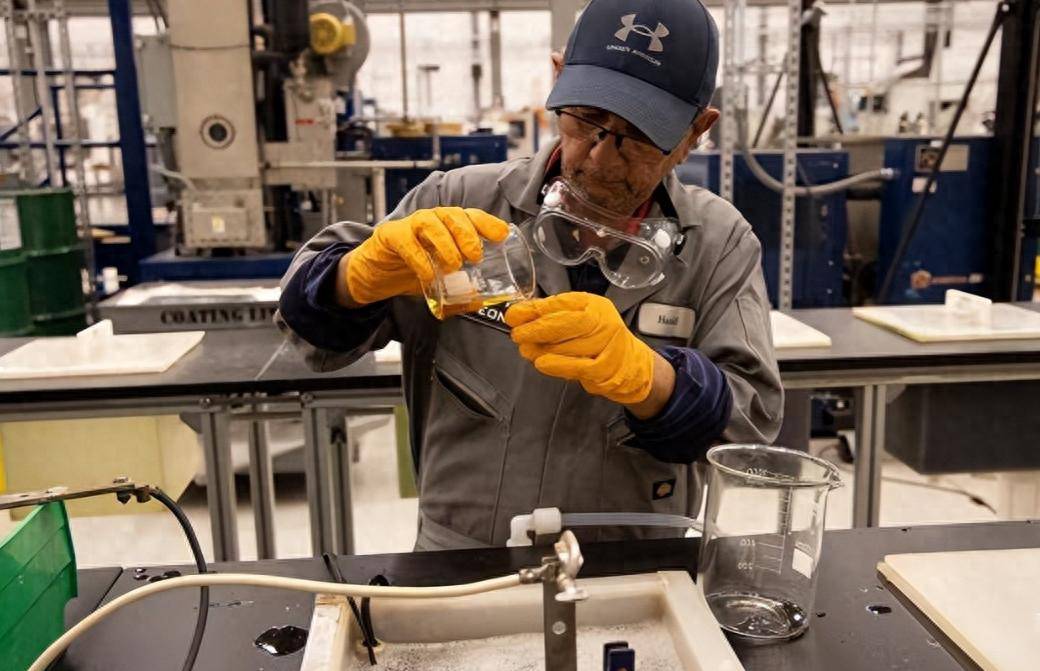
Core Insights - The discovery of a new method to extract rare earth elements from seaweed could revolutionize the global rare earth industry, potentially diminishing China's dominant position in this sector [1][7][15] Group 1: Technology and Methodology - Scientists have found that seaweed can concentrate rare earth elements from seawater by over a million times, making it a natural reservoir for these resources [5][10] - The extraction process involves grinding the seaweed into a paste, using acidic leaching agents to release the concentrated rare earth elements, achieving a recovery rate of approximately 50% [10][19] - This method is more efficient and environmentally friendly compared to traditional mining, as it eliminates high-energy drying steps and utilizes waste acid [10][13] Group 2: Economic and Strategic Implications - The ability to cultivate seaweed for rare earth extraction could enable coastal nations to achieve self-sufficiency in critical strategic resources, reducing reliance on single-export countries like China [7][15] - The emergence of seaweed-based rare earth extraction could lead to a more decentralized and secure global supply chain, mitigating geopolitical risks associated with resource monopolies [15][17] - If successful, this technology could foster new industrial clusters in coastal nations, altering the traditional rare earth supply chain dynamics [17][19] Group 3: Environmental and Sustainability Aspects - The seaweed extraction process promotes a "zero waste" model, as the residual biomass can be repurposed for biofuels, building materials, and biodegradable plastics [13][19] - Seaweed cultivation also contributes to carbon dioxide absorption, aiding in the fight against ocean acidification and supporting carbon neutrality goals [13][19] - This innovative approach aligns with the principles of sustainable development, demonstrating that technological advancements can coexist with ecological preservation [19]