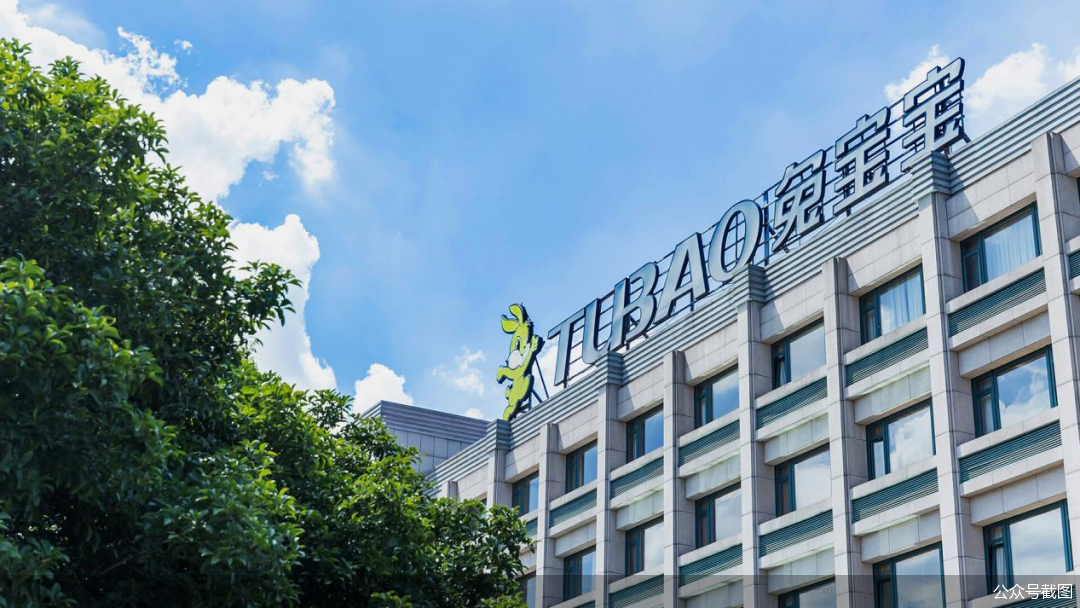
浸渍纸复合材料

Search documents
IPO前豪气分红上亿,应收账款却“激增”两倍!佳饰家掏空式增长隐雷
Sou Hu Cai Jing· 2026-02-07 01:18
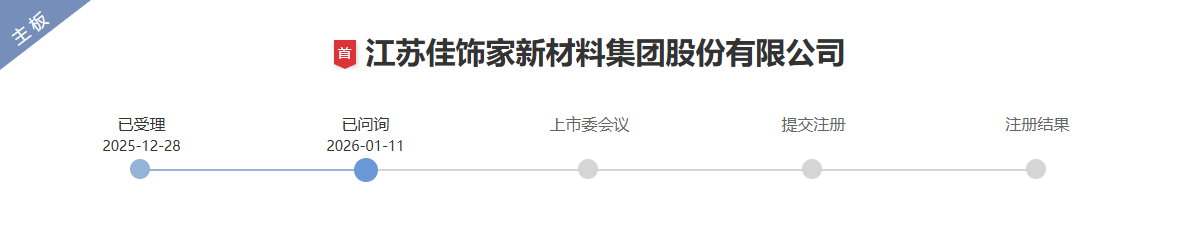
Core Viewpoint - Jiangsu Jiashijia New Materials Group Co., Ltd. (Jiashijia) submitted its IPO application to the Shenzhen Stock Exchange, positioning itself as a key supplier in the home building materials industry, primarily focusing on impregnated paper [1][3]. Group 1: Growth and Business Concerns - Jiashijia's revenue has shown steady growth over the past three years, with figures of 1.424 billion yuan, 1.590 billion yuan, 1.600 billion yuan, and 843 million yuan for 2022, 2023, 2024, and the first half of 2025 respectively [3]. - However, the company faces significant challenges, including a sharp decline in revenue growth from 11.68% in 2023 to 0.66% in 2024, indicating stagnation [4]. - The company relies heavily on impregnated paper and related materials, with over 80% of its revenue coming from these products, making it vulnerable to economic cycles and fluctuations in the real estate sector [4]. Group 2: Governance and Ownership Structure - The actual controllers of Jiashijia, Liu Jianwen and Zhu Zhihua, hold a combined 89.51% voting power, raising concerns about governance and potential "one-man rule" dynamics [6][8]. - This concentrated ownership structure may undermine the effectiveness of the board and independent directors, posing risks to minority shareholders [8]. Group 3: Financial Data Quality and Concerns - Jiashijia's accounts receivable surged from 312 million yuan at the end of 2022 to 536 million yuan by mid-2025, with accounts receivable accounting for 63.55% of revenue in the first half of 2025, up from 21.89% in 2022 [9][11]. - The company has a low R&D expenditure rate of 1.55%-1.85%, significantly below the industry average of 4.35%-4.88%, raising questions about its classification as a high-tech enterprise [12][13]. Group 4: Production Capacity and Utilization - Jiashijia plans to raise 771 million yuan for expanding production capacity, despite current underutilization, with capacity utilization rates for impregnated paper fluctuating between 75%-81% [15][16]. - The necessity and rationale for such significant investment in capacity expansion are questioned, especially when existing capacity is not fully utilized [15][16]. Group 5: Related Party Transactions - Jiashijia has a high customer concentration, with Rabbit Baby Group being its largest customer, accounting for nearly 30% of sales and also holding 4.84% of the company's shares, raising potential conflict of interest concerns [17][18]. - Regulatory scrutiny is expected regarding the necessity, pricing fairness, and procedural integrity of transactions with related parties [18]. Group 6: Legal Disputes and Management Issues - Jiashijia's subsidiary has been involved in multiple contract disputes, indicating potential weaknesses in contract management and internal controls [19][22]. - These legal issues may attract regulatory attention during the IPO review process, focusing on the effectiveness of the company's internal controls [22].

佳饰家冲刺IPO背后 兔宝宝“股东+客户”身份引争议
Bei Jing Shang Bao· 2025-12-16 16:19
Core Viewpoint - The dual role of Rabbit Baby as both a shareholder and a core customer of Jiangsu Jiashijia New Materials Group, which is preparing for an IPO, has attracted market attention due to potential regulatory scrutiny regarding related party transactions [1][6]. Group 1: Company Background and Investment - Rabbit Baby invested 63.7 million yuan to acquire a 4.84% stake in Jiashijia in 2021, establishing a significant strategic partnership while maintaining a stable procurement relationship [3][4]. - Jiashijia specializes in decorative printing paper and related materials, which are essential for Rabbit Baby's products, indicating a strong business interdependence [3][4]. Group 2: Regulatory Scrutiny and Compliance - The relationship between Rabbit Baby and Jiashijia has raised concerns regarding related party transactions, which require thorough examination of necessity, fairness, and procedural compliance during the IPO review process [1][6]. - Regulatory guidelines emphasize that related party transactions must adhere to principles of fair pricing and proper disclosure, with a focus on the commercial substance of the transactions [6][7]. Group 3: Financial Implications and Market Position - Rabbit Baby's financial performance has been positively impacted by its investment in Jiashijia, with expectations of significant gains if Jiashijia successfully completes its IPO [9]. - The successful listing of Jiashijia is anticipated to enhance Rabbit Baby's brand recognition and market trust, further strengthening their collaborative business efforts [9]. Group 4: Strategic Investment and Supply Chain Management - Rabbit Baby's investment strategy aims to solidify its supply chain by partnering with key suppliers, thereby enhancing operational efficiency and market competitiveness [8]. - The company is focused on fostering a collaborative ecosystem among suppliers to drive innovation and improve product offerings in the high-end home furnishing market [8].

“股东+客户”双重身份引关注 兔宝宝产业链投资再下一城
Bei Jing Shang Bao· 2025-12-15 14:46
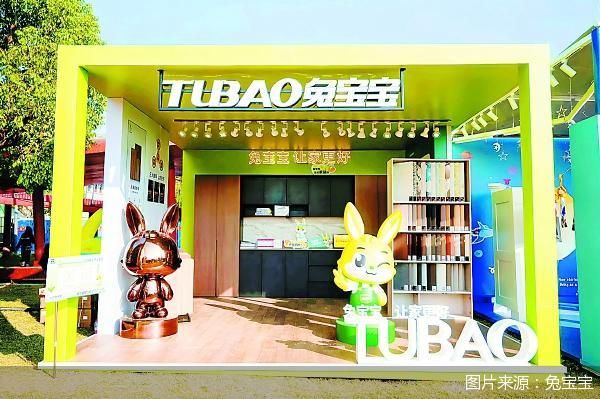
Core Viewpoint - The company Tubaobao's investment in the surface materials company Jiashijia has completed its IPO guidance and is preparing to enter the A-share market, raising market attention due to its dual role as a shareholder and core customer [1][3]. Group 1: Investment and Shareholding - Tubaobao invested 63.7 million yuan to acquire a 4.84% stake in Jiashijia in 2021, establishing a significant strategic partnership while maintaining a core raw material procurement relationship [3][4]. - Jiashijia's main products include decorative printing paper and impregnated paper, which are essential for Tubaobao's operations in the home building materials sector [3][4]. Group 2: Regulatory and Compliance Issues - The dual relationship of Tubaobao as both a shareholder and a core customer has triggered regulatory scrutiny regarding related party transactions during Jiashijia's IPO process [1][5]. - Regulatory rules require that related party transactions must adhere to principles of fair pricing, compliance in the review process, and proper information disclosure [5][6]. Group 3: Financial Implications - Tubaobao's revenue for the first three quarters was 6.319 billion yuan, a year-on-year decrease of 2.25%, while net profit increased by 30.44% to 629 million yuan, largely due to the fair value changes from its investment in the listed company Hanhigh Group [8]. - The successful IPO of Jiashijia is expected to provide Tubaobao with significant financial returns and improve the liquidity of its investment assets [8]. Group 4: Strategic Importance - Tubaobao's investment strategy focuses on binding with upstream suppliers to enhance supply chain collaboration, which is crucial in a competitive market environment [7]. - The listing of Jiashijia is anticipated to strengthen the business synergy between the two companies, enhancing Tubaobao's access to high-quality raw materials and fostering innovation in product development [8].