涮羊肉

Search documents
一箸涮羊肉 四方中华情
Xin Lang Cai Jing· 2026-02-26 20:43
Core Perspective - The article highlights the cultural and historical significance of lamb hot pot in China, tracing its origins back over a thousand years and emphasizing its role in fostering community and shared experiences among different ethnic groups [2][6]. Historical Context - The earliest depiction of lamb hot pot is found in a mural from a tomb in Inner Mongolia, dating back to the early Liao Dynasty, showcasing the practice of cooking and sharing food among the Khitan people [2]. - The narrative of lamb hot pot's origin is intertwined with legends, particularly the story of Liao Taizu Yelü Abaoji, who is credited with its invention during a military campaign [2]. - Historical records from the Southern Song Dynasty mention a dish called "Bo Xia Gong," indicating that the technique of hot pot likely matured among northern nomadic tribes before spreading to other regions [3]. Cultural Significance - The character for "beauty" in Chinese is composed of the symbols for "sheep" and "big," reflecting the deep cultural appreciation for lamb in Chinese cuisine [4]. - Lamb has been integral to Chinese culinary traditions and rituals, with its significance evident in ancient texts and artifacts [4]. Regional Characteristics - Inner Mongolia is identified as the origin of authentic lamb hot pot, with the region's sheep known for their high-quality meat due to their natural grazing environment [5]. - The traditional Inner Mongolian hot pot emphasizes the natural flavor of the ingredients, often using a simple broth to highlight the quality of the lamb [5]. Community and Social Aspects - The "Ice and Snow Lamb Hot Pot Feast" in Xilin Gol League exemplifies how food can bring together diverse communities, fostering connections and cultural exchange [6]. - The act of sharing a hot pot meal serves as a medium for social interaction, allowing people to bond over culinary experiences and shared histories [6].
(寻味中华|节令)小寒启年味 食俗聚温情
Zhong Guo Xin Wen Wang· 2026-01-05 03:16
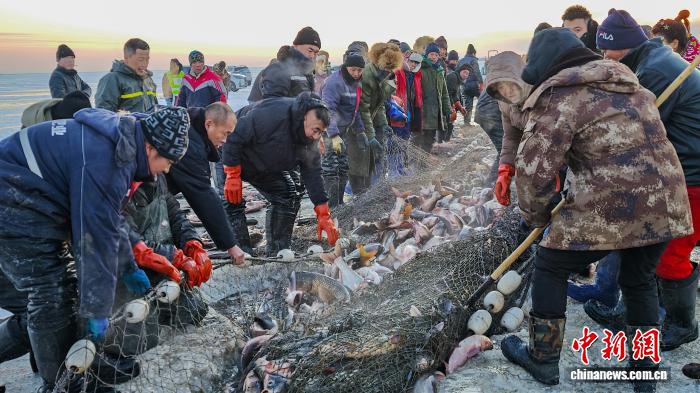
Group 1 - The article highlights the significance of the "Minor Cold" (小寒) solar term in Chinese culture, marking the onset of the coldest period in winter and the approach of the Lunar New Year [1][5] - Various regional food customs are emphasized, with northern China focusing on warming dishes like lamb hot pot and southern China featuring glutinous rice dishes, showcasing the diversity of culinary traditions during this season [1][5] - The tradition of "killing the New Year pig" in northeastern China is described as a central event during Minor Cold, where families prepare a feast to celebrate and share with relatives and neighbors [1][2] Group 2 - The article mentions the winter fishing season in regions like Songhua Lake and Chagan Lake, where fishermen engage in ice fishing, highlighting the cultural and economic importance of this activity [2][3] - The quality of fish caught during Minor Cold is noted, with specific local varieties being favored for their tender meat, indicating a connection between seasonal changes and food quality [3] - The practice of making and storing frozen fruits and vegetables during this period is described as a traditional method of preserving food, reflecting the resourcefulness of northeastern Chinese cuisine [3][5]