
灵鲲大数据平台

Search documents
华为马悦:数智化新技术与业务场景深度融合,推动物流产业向智慧供应链全面转型
Sou Hu Cai Jing· 2026-01-14 08:09
Core Viewpoint - The conference "Chain Communication Ecology · Quality Enjoyment Future" focuses on the high-quality development of the green food supply chain, emphasizing digital transformation and collaboration among industries to enhance production capabilities [1] Group 1: Conference Highlights - The event was co-hosted by Yunnan Construction Investment Logistics and Huawei, attracting over 500 representatives from enterprises and academia to discuss supply chain development [1] - The conference unveiled the "Academician Expert Industry Collaborative Innovation Center" and signed multiple cooperation agreements, launching the first "Huawei Smart Logistics Global Model Point" [1] - An "AI Large Model Joint Innovation" project was initiated to inject innovative momentum into the industry [1] Group 2: Huawei's Role and Vision - Huawei's Vice President and CEO of the Intelligent Transportation Division, Ma Yue, delivered a keynote speech on the smart transformation of logistics and warehousing, sharing insights and industry perspectives [3] - Huawei has established a specialized team for logistics and warehousing intelligence, aiming to address digital and intelligent technology needs in the industry [5] - The company emphasizes the importance of integrating internal resources to enhance the efficiency and safety of supply chains, leveraging its "Lingkun" big data platform and "Lingfeng" intelligent optimization platform [5] Group 3: Strategic Insights - The transportation sector is identified as a foundational and strategic industry for the national economy, with a focus on modern supply chain logistics systems to improve efficiency and reduce costs [4] - The "One Network and Four Transformations" initiative aims to build a modern, high-quality national comprehensive transportation network, emphasizing integration, safety, digital intelligence, and green transformation [4] - Huawei's collaboration with Yunnan Construction Investment Logistics aims to transform traditional logistics into a green smart supply chain, supported by a "cloud-network-edge-end" collaborative technical architecture [6] Group 4: Key Recommendations - Companies are encouraged to strategically lead digital transformation by reshaping business models and leveraging data-driven insights to create value in new areas [6] - Establishing a solid data governance foundation is crucial for unlocking the value of massive data and ensuring secure and efficient information flow across the supply chain [7] - The integration of artificial intelligence is highlighted as a key driver for enhancing operational efficiency, with a focus on creating a unified "Smart Logistics Brain" for resource optimization [8] Group 5: Future Outlook - Huawei aims to build a modern logistics network that connects Yunnan with the national and global supply chains, with significant growth potential [8] - The company has already served over 100 global ports, 200 logistics and warehousing enterprises, and extensive transportation networks, indicating its strong industry presence [8] - Future collaborations will focus on digital infrastructure, AI implementation, supply chain innovation, data value release, and talent development to foster a collaborative and prosperous future [8]

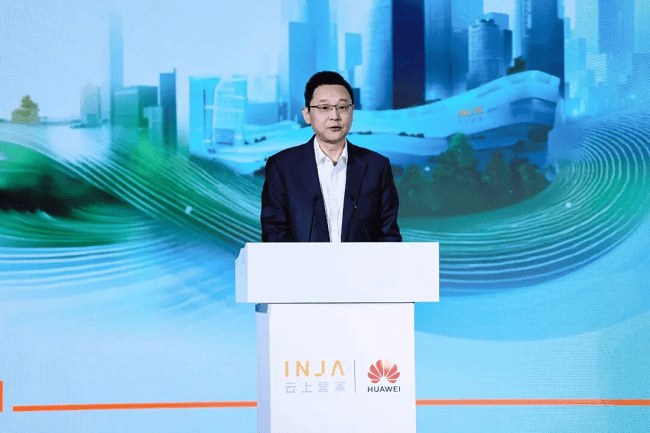
华为马悦:构建“现代供应链物流体系数智底座”,使能供应链产业链安全、高效与韧性运转
Sou Hu Cai Jing· 2025-12-15 04:02
Core Insights - The 2025 Logistics Entrepreneurs Annual Conference focused on the theme "Building an Open New High Ground and Drawing a New Blueprint for Logistics," emphasizing the digital transformation of the logistics industry and the exploration of new opportunities and challenges in the current development landscape [1] Group 1: Industry Trends - The global supply chain and logistics industry is undergoing profound changes driven by a new round of technological and industrial revolutions, making logistics a foundational industry for the national economy [3] - The logistics network in China is becoming increasingly complete, yet issues like "data silos" remain prominent, hindering the efficiency of multimodal transport and overall visibility [4] Group 2: Technological Innovations - The establishment of a comprehensive digital twin system is essential for the logistics industry, which involves the full digitization of business objects, processes, and rules, supported by unified data standards and high-quality datasets [5] - Artificial intelligence (AI) is identified as a core driver for upgrading modern supply chain logistics, transitioning logistics from "point intelligence" to "system autonomy" [6] Group 3: Company Initiatives - Huawei has formed a specialized team for logistics and warehousing digital transformation, aiming to enhance supply chain resilience and security while reducing logistics costs through its "Lingkun" big data platform and "Lingfeng" intelligent optimization platform [3][6] - Huawei has already served over 100 global ports, more than 200 logistics and warehousing companies, and extensive transportation networks, indicating its strong presence and commitment to the logistics sector [6]
