熊猫飞的

Search documents
“打飞的”逛景区 低空经济高速“起飞”
Xin Lang Cai Jing· 2026-01-03 19:18
Core Insights - The low-altitude economy in China is experiencing rapid growth, with the market expected to reach 670.25 billion yuan by 2024 and 1.5 trillion yuan by 2025, potentially exceeding 3.5 trillion yuan by 2035 [5][7]. Group 1: Low-altitude Economy Development - The low-altitude economy is integrating with tourism and logistics, leading to innovative scenarios and applications [5]. - Sichuan-based WoFei ChangKong is focused on the development and commercialization of low-altitude transportation aircraft, with plans to launch 16 low-altitude tourism routes by the end of 2026 [5][6]. - The company has successfully tested routes connecting key tourist destinations, enhancing the operational ecosystem for low-altitude flights [6]. Group 2: Technological and Operational Advancements - The establishment of a collaborative management mechanism between Sichuan and Chongqing aims to streamline low-altitude flight approvals and enhance safety and efficiency [6]. - Drones are being utilized for efficient delivery of government materials, significantly reducing transportation time from over an hour to just 11 minutes [6]. - The North Sichuan General Aviation Industrial Park hosts 64 companies in the low-altitude economy sector, fostering a cycle of technology development, application, and talent cultivation [7]. Group 3: Educational and Talent Development - The Mianyang Flight Vocational College is actively involved in practical projects, providing students with hands-on experience in low-altitude logistics, contributing to the workforce needed for the industry [7]. - The college has organized over 100 student participations in projects since July 2025, supporting the optimization and implementation of low-altitude logistics initiatives [7]. Group 4: Strategic Importance - The low-altitude economy has been recognized as a strategic emerging industry cluster in China's 14th Five-Year Plan, with efforts to transition from technology validation to scenario integration [8]. - Nearly 200 low-altitude routes have been opened, with total flight hours exceeding 100,000, indicating significant operational scale [8].

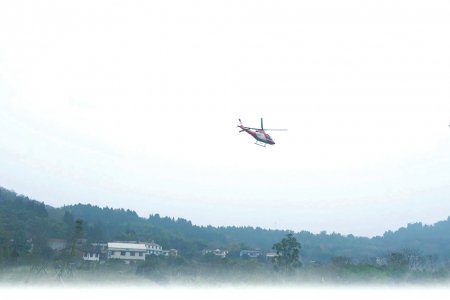
数智交通新体验丨“打飞的”逛景区 低空经济高速“起飞”
Xin Hua She· 2025-12-29 07:54
Core Insights - The article discusses the rapid development of the low-altitude economy in China, highlighting the integration of low-altitude transportation with tourism and logistics, and the emergence of innovative scenarios for aerial services [2][5]. Industry Overview - The low-altitude economy is experiencing significant growth, with projections indicating that the market size will reach 670.25 billion yuan in 2024 and potentially exceed 3.5 trillion yuan by 2035 [2][5]. - Various regions are actively entering the low-altitude sector, with Sichuan province leading initiatives to enhance low-altitude operations and services [5][9]. Company Developments - WoFei ChangKong, based in Chengdu, is focused on the development and commercialization of low-altitude flying vehicles, having successfully tested several low-altitude tourism routes [2][3]. - The company plans to gradually implement 16 low-altitude tourism routes by the end of 2026, covering key tourist destinations in the Sichuan-Chongqing area [2]. Technological Advancements - The company has conducted test flights using traditional helicopters to validate flight routes and is transitioning to its AE200 series for future operations [3]. - A comprehensive low-altitude operational ecosystem is being established, including airspace management, policy coordination, and ground service systems [3]. Practical Applications - The low-altitude economy is facilitating efficient governance, as demonstrated by the use of drones for delivering government materials in remote areas, significantly reducing delivery times from over an hour to just 11 minutes [4]. - The integration of low-altitude logistics is enhancing service efficiency across various sectors, including transportation, water management, and emergency services [4]. Educational and Talent Development - The Mianyang Flying Vocational College is actively involved in training students for the low-altitude industry, providing practical experience through projects like the low-altitude logistics initiative [8][10]. - A talent supply-demand matching system is being developed to support the growing needs of the low-altitude economy [8].
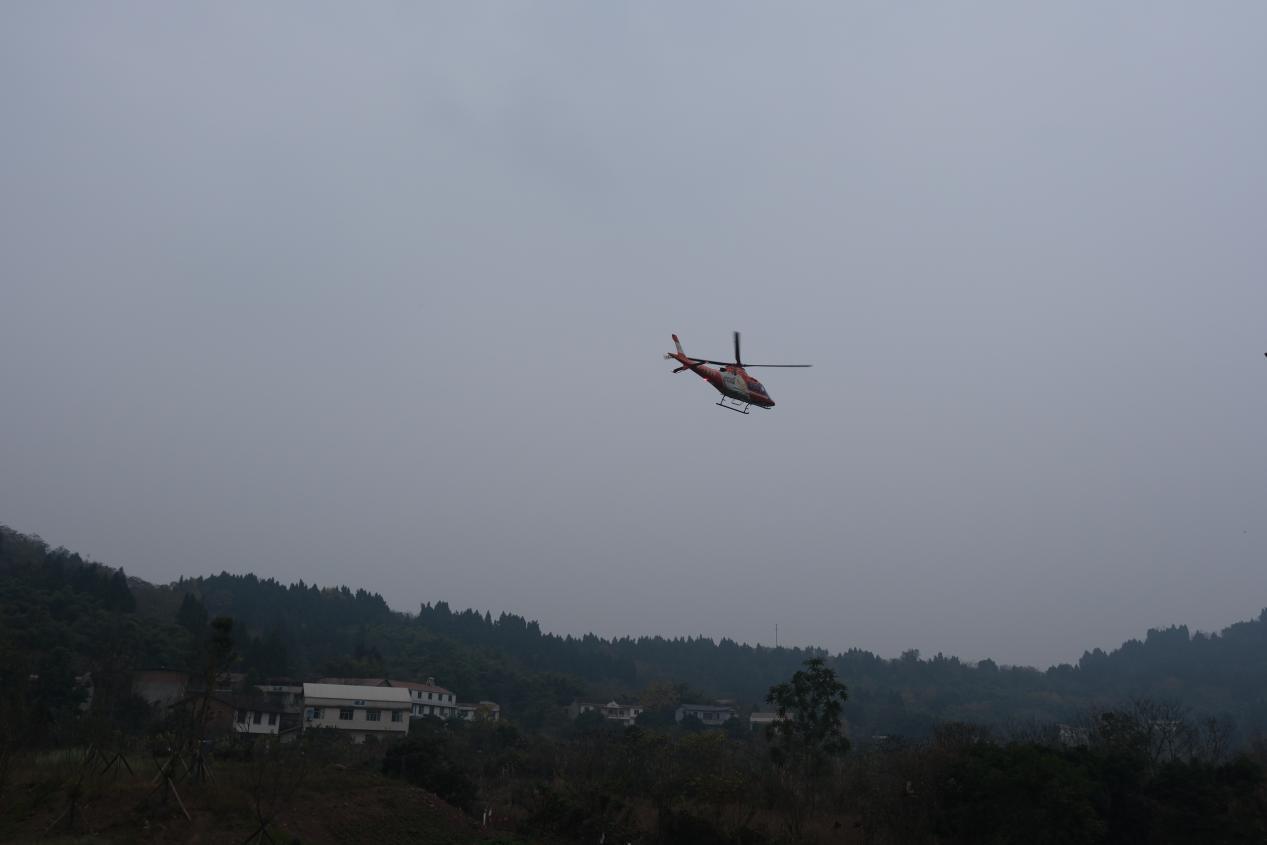
“五一”消费引力场③丨成都宠物消费、低空消费等体验式新场景爆火
Sou Hu Cai Jing· 2025-05-05 00:56
Group 1: Pet Consumption Trends - The "May Day" holiday saw a surge in pet-related consumption in Chengdu, with pet-friendly shopping areas, restaurants, and hotels emerging as key highlights [1][2] - The CyPARK in Chengdu collaborated with over 35 pet food brands to launch the "Chengdu Pet Food Festival," offering discounts and promotions across various pet food categories [3][5] - There was a 40% year-on-year increase in customer foot traffic at pet restaurants during the holiday, with a notable rise in the demand for pet-friendly dining options [7] Group 2: Low-altitude Economy Growth - The low-altitude economy is rapidly gaining popularity, with new experiences like "City Fly" becoming trendy among young people in Chengdu [8][10] - The "Panda Fly" service, a new low-altitude sightseeing project, was launched during the holiday, allowing tourists to view iconic city landmarks from the air [12] - Over 3,000 visitors participated in high-altitude activities such as skydiving and aerial tours during the holiday, with expectations that total visitor numbers for low-altitude experiences in Chengdu will exceed 10,000 [14]