
牛黄降压丸

Search documents
津药达仁堂让中医药瑰宝惠及上海合作组织国家
Zhong Guo Jin Rong Xin Xi Wang· 2025-09-02 07:53
Core Viewpoint - Traditional Chinese medicine (TCM) is becoming an important force in promoting global health, with Tianyao Daren Tang Group actively participating in international cooperation and product innovation to spread TCM benefits beyond borders [1][2]. Group 1: Company Initiatives - Tianyao Daren Tang's flagship product, "Suxiao Jiuxin Wan," was registered as a prescription drug in Russia in 1997, marking it as the first Chinese patent medicine to receive such approval, which set a benchmark for TCM products entering international markets [1]. - Since 2017, Tianyao Daren Tang has established a stable partnership with Russian TCM companies, leading to the registration of various products, including the Dami Wan series and Jing Wan Hong as dietary supplements and cosmetics in Russia [2]. - The company emphasizes not only product export but also the promotion of TCM culture through international exhibitions and academic exchanges, enhancing local understanding and trust in TCM [2]. Group 2: Future Directions - Tianyao Daren Tang aims to deepen cooperation with countries in the Shanghai Cooperation Organization (SCO) in the field of TCM, focusing on clinical research, technology exchange, and mutual recognition of standards to contribute to a global health community [2][3].

牛黄进口开闸:“价比黄金”神话能否被打破?
21世纪经济报道· 2025-04-25 01:20
Core Viewpoint - The recent announcement by the National Medical Products Administration and the General Administration of Customs to allow the import of cow bile for traditional Chinese medicine production is expected to alleviate the supply shortage and stabilize prices of cow bile, benefiting high-end traditional Chinese medicine companies like Tong Ren Tang and Pian Zai Huang [2][3][12]. Group 1: Policy Changes and Implications - The pilot program for importing cow bile will last for two years and is limited to specific regions in China, allowing only designated companies to use the imported cow bile for their own production [5][7]. - The import of cow bile is a significant policy shift after nearly 24 years of restrictions due to concerns over mad cow disease, which had previously led to a complete ban on imported bovine materials [5][6]. - The pilot aims to create a controlled supply chain, ensuring that imported cow bile is used solely within the group of companies that import it, preventing external sales [7][8]. Group 2: Market Dynamics and Supply Chain - The natural cow bile market in China faces a significant supply-demand gap, with an annual demand of approximately 5 to 8 tons against a domestic production of only about 900 kilograms [6][12]. - The global cattle population is approximately ten times that of China, indicating a substantial potential for international supply to meet domestic needs [6]. - The introduction of imported cow bile is expected to lead to a stratified supply chain, where larger companies can better manage resources and mitigate price fluctuations in the international market [7][8]. Group 3: Price Trends and Market Reactions - The price of natural cow bile has seen a dramatic increase, rising from 570,000 yuan per kilogram at the beginning of 2023 to 1,700,000 yuan per kilogram by the end of 2024, marking a 198.25% increase [11][12]. - Despite the potential for imported cow bile to stabilize prices, some industry experts remain cautious, suggesting that the high price trend for natural cow bile may not change quickly [15]. - Companies like Tong Ren Tang have expressed a conservative stance regarding the impact of the new policy on cost pressures, indicating that multiple factors will influence the effectiveness of the pilot program [12][13].


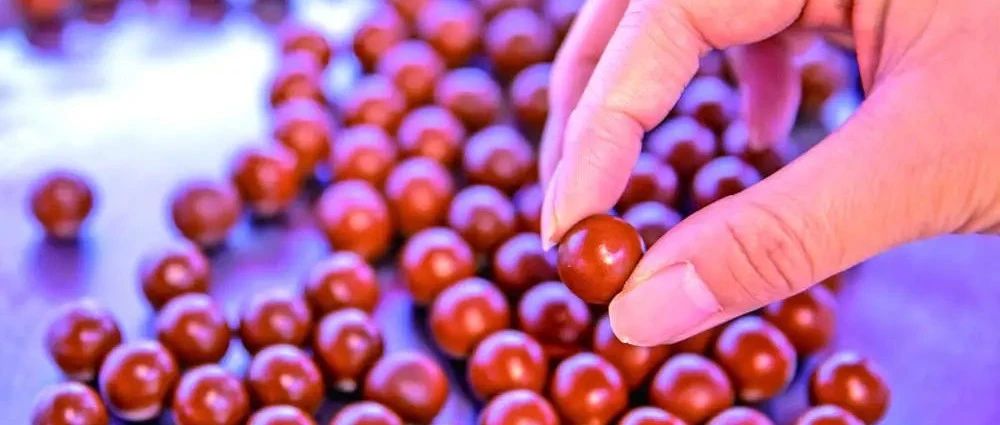
牛黄进口开闸:供应链有望分层化,“价比黄金”神话能否被打破
2 1 Shi Ji Jing Ji Bao Dao· 2025-04-25 00:31
Core Viewpoint - The recent announcement by the National Medical Products Administration and the General Administration of Customs allows for the import of cow bile (Niu Huang) for traditional Chinese medicine production, marking a significant policy shift after nearly 24 years of import restrictions [1][3]. Group 1: Policy Changes and Implications - The pilot program for importing cow bile will begin on April 23, 2025, specifically for cow bile from countries free of mad cow disease, meeting China's customs and quality inspection requirements [2][3]. - The pilot program is set for two years and will be implemented in 12 provinces, allowing only designated companies within a group to use the imported cow bile for their own production [3][6]. - This policy aims to alleviate the supply shortage of natural cow bile, which has been in high demand but low supply, with domestic production estimated at around 900 kilograms against a demand of 5,000 to 6,000 kilograms annually [4][9]. Group 2: Market Dynamics and Supply Chain - The introduction of imported cow bile is expected to create a layered supply chain, benefiting large enterprises like Tong Ren Tang and Pian Zai Huang, while potentially pressuring smaller companies that may struggle to access raw materials [5][6]. - The price of natural cow bile has seen a dramatic increase, rising from 570,000 RMB per kilogram at the beginning of 2023 to 1.7 million RMB per kilogram by the end of 2024, reflecting a 198.25% increase [8][10]. - The market currently relies heavily on artificial cow bile, which constitutes about 70% of the market, but its efficacy is considered inferior to that of natural cow bile [7][9]. Group 3: Financial Impact on Companies - Companies like Tong Ren Tang have reported a decline in net profit despite revenue growth, indicating that rising raw material costs are squeezing profit margins [10]. - The anticipated easing of supply constraints from imported cow bile may not immediately translate into lower prices for natural cow bile, as industry experts express skepticism about the short-term impact on pricing [11].