
猪肉馅

Search documents
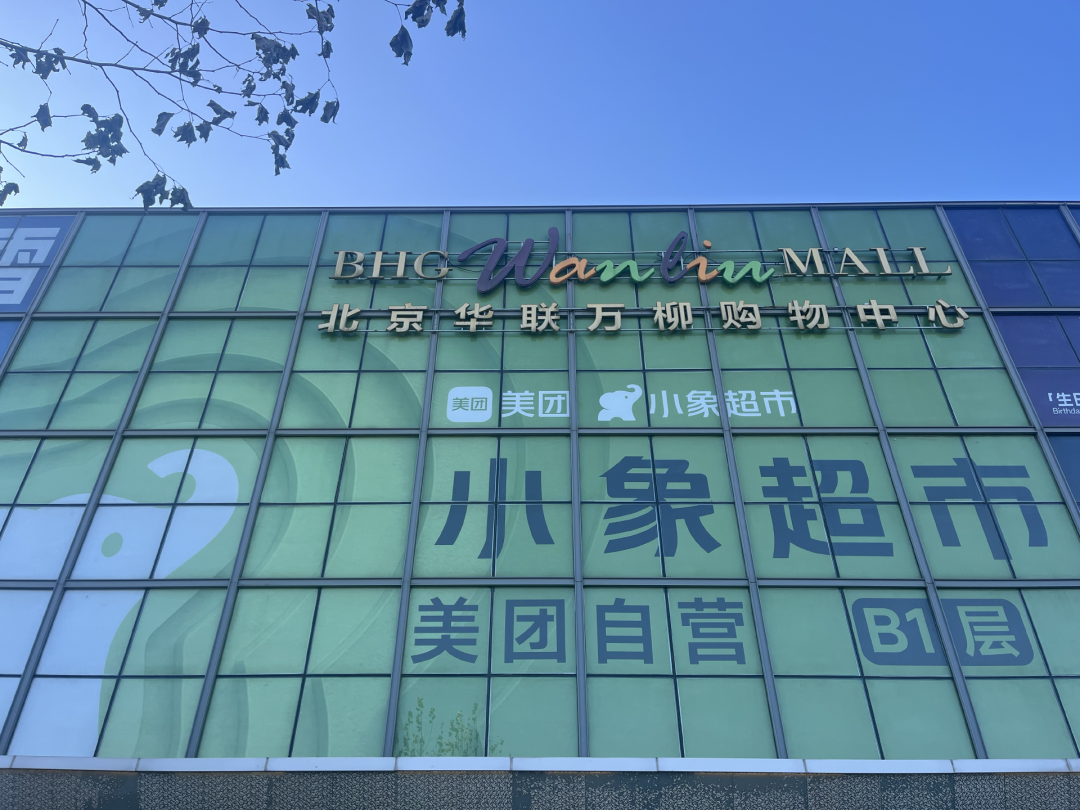
打工人用来糊口的小象超市开进北京富人区?“进店限流排队、现打精酿配轻食盒饭”
Xin Lang Cai Jing· 2025-12-26 11:52
Core Insights - Meituan's Xiaoxiang Supermarket has opened its first offline store in Beijing, marking a significant shift from online to offline retailing, aiming to enhance customer experience and brand perception [1][13] Group 1: Store Experience and Offerings - The store features a lively atmosphere with a focus on fresh food and ready-to-eat (3R) products, which account for over 60% of the offerings, emphasizing the importance of immediate consumption in the supermarket's strategy [6][13] - Xiaoxiang Supermarket provides unique services such as free processing of seafood and meat, enhancing customer convenience and engagement [14] - The store's design caters to urban single users, offering products in smaller quantities, which differentiates it from competitors like Hema and Sam's Club [9][13] Group 2: Target Audience and Market Positioning - The supermarket targets middle-class consumers, particularly urban white-collar women, with products that emphasize health and quality, such as low-GI rice and specialty noodles [17] - The location in Wanliu, known for its affluent demographic, signals a strategic choice to attract a higher-end customer base [17] - Xiaoxiang Supermarket aims to establish itself as an experiential store rather than just a pickup point for online orders, contrasting with competitors that focus heavily on delivery [13][20] Group 3: Competitive Landscape and Future Outlook - The retail industry is shifting from channel competition to scenario competition, with Xiaoxiang Supermarket positioning itself to compete effectively against established players like Donglai and emerging brands like Pupu Supermarket [20] - The projected GMV for Xiaoxiang Supermarket in 2024 is close to 30 billion, indicating strong growth potential and competitive positioning in the market [20] - As online delivery options reach saturation, the value of offline stores is being recognized for their ability to provide tangible product experiences, which is becoming a key differentiator in retail competition [20]

晚上去超市“薅羊毛”成潮流?清仓折扣“盲盒”需理性
Bei Jing Wan Bao· 2025-07-05 02:38
Core Insights - The rise of nighttime supermarket discounts has attracted consumers, particularly in Beijing, where many chain supermarkets have adopted "day clearing" strategies to boost sales during evening hours [1][2][3] Group 1: Consumer Behavior - Consumers are increasingly savvy about timing their purchases, with many learning the best times to shop for discounts, such as 8 PM for major markdowns [2][3] - The atmosphere during discount hours is lively and communal, resembling a market where customers engage with each other and staff, enhancing the shopping experience [5][6] - Many shoppers report feeling compelled to buy items due to the perceived savings, often leading to impulse purchases that may not align with their actual needs [7][8] Group 2: Pricing Strategies - Different categories of products have varying discount schedules, with fresh produce often marked down earlier in the day, while prepared foods see significant discounts closer to closing time [2][3] - The use of eye-catching discount labels in supermarkets, such as white tags with black text or bright yellow labels, is designed to attract attention and encourage purchases [7] - Regular priced items struggle to sell as consumers focus on discounted products, leading to a potential issue for supermarkets in moving full-priced inventory [4][6] Group 3: Market Dynamics - The competition among supermarkets to attract evening shoppers has intensified, with stores like Wumart and Seven Fresh implementing similar discount strategies to draw in crowds [2][3] - The phenomenon of "nighttime clearance" reflects broader trends in consumer behavior, where shoppers seek value and are willing to navigate crowded environments for perceived savings [5][6] - The experience of shopping during these discount periods is often described as more engaging and social compared to traditional daytime shopping, which may influence future shopping habits [5][6]