
现代工业系统与劳动实践

Search documents
高校劳动教育“应有何为”
Zhong Guo Qing Nian Bao· 2025-10-13 03:33
Core Viewpoint - Tsinghua University has introduced a labor education course aimed at enhancing students' understanding of labor and its significance in modern industrial systems, addressing concerns about the disconnect between students and practical labor experiences [1][4][12]. Group 1: Course Objectives and Structure - The course "Modern Industrial Systems and Labor Practice" is a mandatory course for the Marxist Theory major, designed to provide students with practical labor experiences alongside theoretical knowledge [1][4]. - The course includes three main components: theoretical learning, labor practice, and enterprise visits, allowing students to engage directly with the industrial environment [6][8]. - The course aims to deepen students' understanding of the labor process and the relationship between labor and production, moving beyond simplistic views of labor [5][10]. Group 2: Educational Philosophy and Rationale - The course is rooted in the educational tradition of the Communist Party and aligns with the goal of cultivating well-rounded socialist builders and successors [2][4]. - There is a recognition that modern students are increasingly distanced from agricultural and industrial production, necessitating a more hands-on approach to labor education [4][12]. - The course seeks to bridge the gap between theoretical knowledge and practical application, emphasizing the importance of understanding the material basis of labor [5][10]. Group 3: Student Experiences and Insights - Students reported that their experiences in labor practice provided them with a more profound appreciation for the challenges faced by workers, transforming abstract concepts into tangible understanding [8][9]. - The labor practice component involved physically demanding tasks, which helped students realize the effort behind production processes and the value of labor [8][9]. - Students expressed that the course fostered a sense of camaraderie and teamwork, enhancing their overall educational experience [9]. Group 4: Challenges and Future Directions - The course faces challenges in ensuring depth and professionalism in labor education, with ongoing efforts to refine and improve the curriculum based on student feedback [10][12]. - There is an emphasis on the need for continuous exploration and adaptation of labor education practices to better integrate with industrial realities [11][12]. - The course aims to establish a more systematic approach to labor education in higher education, addressing existing gaps and enhancing the overall quality of labor-related learning [12].

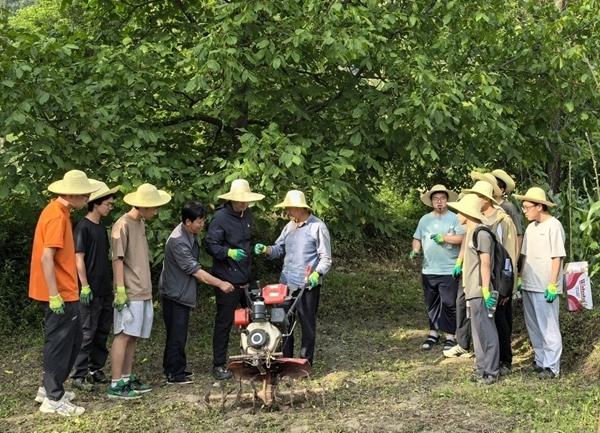
高校劳动教育“应有何为” 清华马院探索劳动教育必修课
Zhong Guo Qing Nian Bao· 2025-10-12 23:11
Core Viewpoint - Tsinghua University has introduced a labor education course aimed at enhancing students' understanding of labor through practical experience in agricultural and industrial settings, addressing the disconnect between students and the realities of labor in modern society [1][2][10]. Group 1: Course Objectives and Structure - The course "Modern Industrial Systems and Labor Practice" is a mandatory course for the Marxist Theory major, designed to provide students with a comprehensive understanding of labor through direct engagement in industrial settings [1][3]. - The course consists of three main components: theoretical learning, labor practice, and enterprise visits, allowing students to connect theoretical knowledge with real-world labor experiences [6][7][8]. - The course aims to cultivate a deeper understanding of the labor process, moving beyond superficial knowledge to a more profound appreciation of the complexities of modern production [3][10]. Group 2: Educational Philosophy and Rationale - The course is rooted in the educational philosophy of cultivating well-rounded individuals who understand the importance of labor in society, as emphasized by national educational policies [2][11]. - There is a recognition that traditional labor education in universities has been lacking in depth and professional relevance, necessitating a more integrated approach that combines theory with practical experience [10][11]. - The course seeks to bridge the gap between students and the realities of labor, fostering a sense of empathy and understanding towards workers and the labor process [2][3][11]. Group 3: Student Experiences and Insights - Students participating in the course reported significant shifts in their understanding of labor, moving from abstract concepts to tangible experiences that highlight the challenges faced by workers [6][7][9]. - The hands-on labor practice component allows students to engage directly with the physical demands of industrial work, leading to a greater appreciation for the labor involved in production [7][9]. - Feedback from students indicates a desire for more extensive labor practice experiences to deepen their understanding of industrial labor processes [10][11].
