
产教融合

Search documents
“烧烤学院”“龙虾学院”,各地涌现小众职业学院
吴晓波频道· 2026-03-23 00:21
Core Viewpoint - The establishment of vocational schools focusing on niche industries, such as the Yueyang Barbecue Academy, reflects a shift in vocational education towards skill-based, standardized, and specialized talent cultivation, particularly in the service sector, as emphasized in the "14th Five-Year Plan" [2][38]. Group 1: Yueyang Barbecue Academy - The Yueyang Barbecue Academy, the first of its kind in China, has launched a "degree + skill" advanced talent training program, allowing individuals over 18 to enroll without prior qualifications [2][4]. - The academy offers two educational models: a dual degree and skill program lasting 2.5 to 3 years, and a pure skill training program lasting one month, with a fee of 5,800 yuan, leading to a certified qualification [8]. - The curriculum includes practical skills in barbecue preparation and theoretical courses on restaurant management, supply chain, and brand operation, taught by experienced instructors [10][12]. Group 2: Industry Context and Challenges - The barbecue industry in Yueyang has over 2,000 establishments, employing more than 50,000 people and generating an annual output value exceeding 2 billion yuan, highlighting its significance in local economy and culture [12]. - The rapid growth of the industry has led to issues such as a lack of standards, talent shortages, and food safety concerns, necessitating the establishment of specialized educational institutions to enhance quality and capacity [13]. Group 3: Trends in Vocational Education - The emergence of niche vocational schools, like the Barbecue Academy, reflects a broader trend where traditional vocational education is being supplemented by specialized training in response to new market demands and local industry needs [14][24]. - These institutions often provide dual pathways for education and vocational training, focusing on specific skills relevant to local industries, which contrasts with traditional broad-spectrum vocational schools [18][19]. - The shift towards specialized training is driven by the need for skilled professionals in emerging sectors, such as logistics and local culinary arts, as well as the demand for standardized training to support industry growth [22][23]. Group 4: Market Dynamics and Future Outlook - The proliferation of niche vocational schools is accompanied by a decline in traditional vocational institutions, with a reported reduction of 563 schools from 2020 to 2025, indicating a market correction towards more effective educational models [28]. - This transformation aims to address the oversupply of graduates in traditional fields while enhancing the employability of students through targeted skill development [29][30]. - The success of these specialized institutions is evidenced by high employment rates for graduates, with some programs reporting over 98% job placement [24].


学大教育(000526):学大教育公司跟踪报告:主业韧性强,看好低估值下的成长修复
GUOTAI HAITONG SECURITIES· 2026-03-19 05:16
Investment Rating - The investment rating for the company is "Accumulate" with a target price of 50.80 CNY [5][15]. Core Insights - The company's core business in personalized education continues to show resilience, with revenue growth remaining strong. Profit growth is outpacing revenue growth, indicating effective operational leverage. The vocational education segment is transitioning from a strategic layout phase to asset realization, opening new growth avenues for the medium term [15][17]. - The expansion of high school enrollment policies is solidifying the demand pool for the education sector. The government has emphasized increasing the supply of ordinary high school education resources, which is expected to enhance the student base and demand for personalized tutoring and academic planning services [28][32]. - The vocational education segment is accelerating, with deeper integration of industry and education. The company is actively acquiring and managing vocational schools, which is expected to contribute to the second growth curve. Additionally, investments in the integrated circuit industry and AI applications are enhancing the depth and specialization of vocational education [35][37][40]. Financial Summary - Total revenue is projected to grow from 2,213 million CNY in 2023 to 4,607 million CNY by 2027, reflecting a compound annual growth rate (CAGR) of approximately 18.3% [4]. - Net profit attributable to the parent company is expected to increase significantly from 154 million CNY in 2023 to 391 million CNY in 2027, with a remarkable growth rate of 1,035.2% in 2024 [4]. - Earnings per share (EPS) is forecasted to rise from 1.26 CNY in 2023 to 3.21 CNY in 2027, indicating strong profitability growth [4]. Business Performance - The company has shown a consistent upward trend in operating performance, with revenues and profits maintaining rapid growth. For the first three quarters of 2024, the company achieved revenues of 27.9 billion CNY, a year-on-year increase of 26% [17][19]. - Contract liabilities have shown a positive trend, indicating a strong demand for the core business. The company’s contract liabilities increased from 6.6 billion CNY in 2021 to 12.0 billion CNY in 2025, reflecting a recovery in demand for personalized education [19][21]. - The operating cash flow has also seen significant growth, with net cash flow from operating activities reaching 7.62 billion CNY in the first three quarters of 2025, demonstrating the robust performance of the core business [22][24].

全国人大代表、江铃汽车首席技师刘辉:畅通职业发展通道 厚植制造业营商沃土
Shang Hai Zheng Quan Bao· 2026-03-12 17:42
Core Viewpoint - The interview with Liu Hui, a representative of the National People's Congress and chief technician at Jiangling Motors, highlights the challenges faced by skilled workers in the manufacturing sector, particularly regarding career development and the need for a robust talent cultivation system [2][3] Group 1: Challenges in the Manufacturing Sector - Many frontline workers express concerns about career advancement, with skilled workers facing a disconnect between their technical abilities and their salary or job titles, leading to limited upward mobility [2] - Young workers perceive a lack of future prospects in skilled positions, prompting them to seek opportunities in other industries rather than committing to manufacturing [2] Group 2: Recommendations for Talent Development - Liu Hui suggests accelerating the establishment of a high-quality workforce, ensuring that workers have status, benefits, dignity, and development opportunities to support the construction of a strong manufacturing nation [2] - It is recommended to improve the skill development system and career progression pathways, linking skill levels with salary, job titles, and residency permits [3] - A lifelong vocational training mechanism should be established, focusing on digital skills, new technologies, and helping traditional workers transition to digital craftsmen [3] Group 3: Strengthening Worker Rights and Income - Enhancing rights protection and improving job satisfaction are essential for retaining industrial workers in their positions [3] - Companies should adhere to labor regulations, ensuring proper working hours, rest periods, and occupational health protections, while expanding coverage for work injury insurance [3] - A distribution mechanism that rewards high-skilled and high-effort workers should be implemented to increase income levels and professional dignity for frontline workers [3] Group 4: Industry-Education Integration - Liu Hui emphasizes that industry-education integration should go beyond superficial cooperation, advocating for leading companies to collaborate with vocational schools to establish industry colleges and training bases [3] - A model where students are recruited as workers upon enrollment, and guaranteed employment upon graduation, should be promoted [3] - Establishing a directory of critical manufacturing occupations and encouraging skilled craftsmen to teach in schools can create a sustainable mechanism for collaborative education between schools and enterprises [3]

床位正快速达标、专护人才短缺:谁会成为“青春养老人”
第一财经· 2026-03-11 15:54
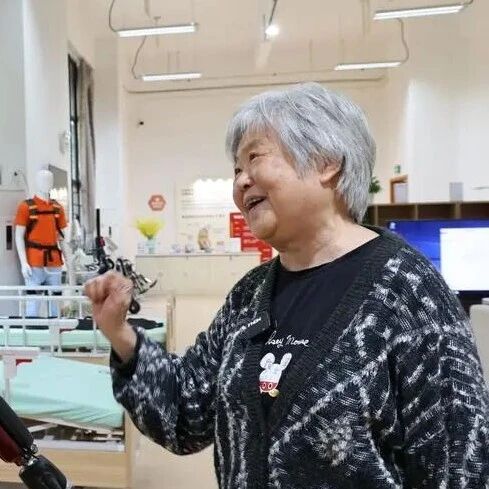
Core Viewpoint - The article emphasizes the urgent need for professional caregivers in China's aging population, highlighting the significant increase in nursing care bed availability while addressing the shortage of qualified personnel to provide care for the elderly, particularly those with disabilities and dementia [3][4][6]. Group 1: Current State of Elderly Care - As of the end of 2024, China is expected to have 40.6 million elderly care institutions and facilities, with a total of 799.3 million beds, of which nursing care beds have increased from 48% in 2020 to 65.7% [3][4]. - The government aims to raise the proportion of nursing care beds to 73% during the "14th Five-Year Plan" period [3]. Group 2: Challenges in the Elderly Care Sector - There is a significant shortage of professional caregivers, with a reported gap of 5.5 million caregivers needed, and only 2.93% of caregivers holding a bachelor's degree or higher [4][6]. - The average age of caregivers is 55, and many come from low-education and low-income backgrounds, leading to a lack of social recognition for the profession [5][6]. Group 3: Recommendations for Improvement - Representatives at the National People's Congress suggest enhancing talent cultivation, career development, and salary incentives to address the caregiver shortage [4][6][7]. - The establishment of "talent strong industry" strategies and the promotion of school-enterprise cooperation models are recommended to improve the training and retention of caregivers [7][8]. Group 4: Future Directions - The Ministry of Civil Affairs plans to implement policies to actively respond to population aging, including updating equipment in elderly care institutions and enhancing specialized training for caregivers [8]. - There is a call for a collaborative effort among the government, educational institutions, and enterprises to build a robust caregiver workforce that can meet the needs of the aging population [8].
学大教育20260304
2026-03-04 14:17
Summary of the Conference Call for Xue Da Education Company Overview - **Company**: Xue Da Education - **Focus**: Personalized education, with a return to core business segments in 2026 Key Points Industry and Business Focus - The company aims for a revenue growth rate of 18%-20% in 2026, with profit growth expected to exceed revenue growth, targeting an annual net profit margin increase of approximately 1 percentage point [2][3] - Personalized education remains the core focus, with plans for a 15%-20% increase in one-on-one tutoring locations and a target of 12,000 students in full-time bases by 2026, corresponding to revenue of 350 million yuan [2][3] Pricing and Cost Management - A 5% price increase was implemented in 2025, with class prices locked in before July 2026 [2][5] - The full-time teacher count is projected to be around 5,300 by the end of 2025, with dynamic recruitment in 2026 to match business growth [2][7] Competition and Customer Acquisition - There is a noted decline in market enthusiasm for purchasing courses, with course package durations shortened to about 3 months [2][5] - Increased low-price competition from various provinces is prompting the company to consider acquisitions to accelerate entry into group classes [2][5] Non-Core Business Strategy - Non-core businesses such as vocational education, cultural reading (bookstores), and medical education will focus on existing operations in 2026, with bookstore expansion halted to refocus on core business [2][3] Capital and Incentives - The company plans to implement equity incentives by the end of 2026; failure to do so will result in the cancellation of repurchase and loan amounts [2][10] - The exit strategy for related equity in Unisplendour involves gradual transfer through agreements [2][13] Investment Logic - Investments in semiconductor-related funds aim to facilitate industry cooperation for vocational education integration, rather than direct involvement in the semiconductor sector [2][6] Teacher Recruitment and Expansion Plans - The teacher recruitment strategy for 2026 will be flexible, based on business needs rather than fixed targets [2][7] - The number of full-time students in 2025 exceeded the target of 10,000, with a goal of 12,000 for 2026 [2][7] Impact of Policy Changes - The initiative to reduce weekend classes in high schools has not significantly affected the duration of extracurricular training [2][8] Bookstore Business Strategy - The bookstore segment added 2 new stores in 2025, with no new openings planned for 2026, focusing instead on maintaining existing operations [2][9] Management and Operational Focus - The chairman has returned to frontline operations, emphasizing a return to traditional business areas, including one-on-one and group classes [2][11] Group Class Business Development - The company plans to expand its group class offerings through acquisitions of suitable institutions [2][12] Financial Targets for Full-Time Education - The revenue target for full-time education in 2026 is set at 350 million yuan, with a student target of 12,000 [2][14] Employee Compensation and Cost Management - If equity incentives are not implemented, there will likely be no alternative compensation adjustments for employees, leading to significant cost savings [2][15]
深圳市职教园项目一期选址用地全面完成清拆
Nan Fang Du Shi Bao· 2026-02-28 02:29
Core Insights - The Shenzhen Vocational Education Park project has completed its land clearance, marking the end of a significant demolition and relocation effort involving multiple government levels [1][2] - The project aims to establish a leading vocational education base in China, focusing on the integration of industry and education, and fostering talent development [1][2] Group 1: Project Overview - The Shenzhen Vocational Education Park is designed as a demonstration zone for vocational education, with a total planned area of 1.32 million square meters [2] - The project is expected to gather high-quality vocational education resources and promote deep integration between industry and education, contributing to regional industrial upgrades [2] Group 2: Demolition and Relocation Efforts - The demolition involved 7 enterprises and 3 private residences, with a total area of 53,900 square meters cleared [1] - The local government coordinated with over 10 departments and conducted more than 60 negotiation sessions with stakeholders to resolve challenges in the demolition process [1][2] Group 3: Community Engagement and Support - The demolition strategy shifted from a traditional "heavy demolition, light service" approach to a "service first, then demolition" model, enhancing community relations [2] - Local leaders actively engaged with affected companies, addressing historical disputes and ensuring smooth transitions for businesses [2]
新华互联网科技重磅发布五大AI新专业,启动“千企万岗” 新质人才培养计划!
Xin Lang Cai Jing· 2026-02-28 02:06
Core Insights - The event held on February 26 marked the launch of new AI-focused vocational education programs and the "Thousand Enterprises, Ten Thousand Positions" talent cultivation plan by Xinhua Internet Technology, a subsidiary of China Oriental Education [1][2][3] Group 1: AI Education Strategy - The current industrial logic is shifting from "Internet +" to "AI +", with AI becoming the foundational support for social development [5][16] - Xinhua aims to cultivate students' abilities to harness AI clusters and create new value, focusing on producing high-quality AI digital talent [5][18] Group 2: New AI Programs - Five new AI programs were launched: AI + New Media E-commerce and Short Video Operations, AI + Film and Animation Game Design, AI + Artificial Intelligence Application Engineering, AI + Modeling Design and Short Drama Operations, and AI + E-sports Management [8][20] - The new programs emphasize automation in content creation, human-machine collaboration in digital design, and specialized training in technical applications [8][20] Group 3: Industry Collaboration - A significant highlight of the event was the signing of industry-education collaboration agreements, establishing an AIGC practical training base [11][23] - The "Thousand Enterprises, Ten Thousand Positions" plan aims to connect 38 institutions with 1,000 enterprises to create a talent supply chain for 10,000 positions, integrating education with industry needs [11][23] Group 4: Alumni Engagement - Notable alumnus Dong Yongqi returned to share his career journey and donated 300,000 yuan to support the school, reflecting the commitment of Xinhua graduates to their alma mater [12][26] - The launch of the new AI programs and the talent cultivation plan represents a significant milestone in integrating AI technology with vocational education [12][26]

从一线来到一线去 推动“蓝领”升级他步履不停
Yang Shi Xin Wen Ke Hu Duan· 2026-02-27 07:00
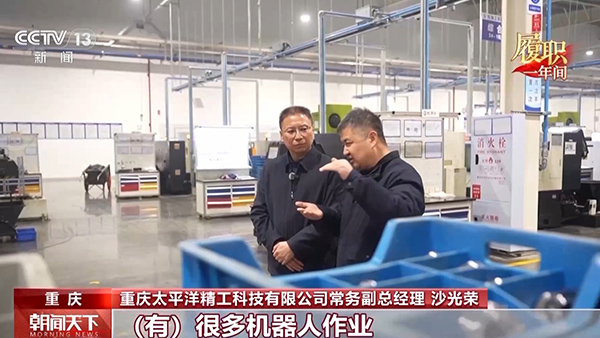
Core Viewpoint - Vocational education is a crucial support for building a strong manufacturing nation, with a focus on enhancing the quality and relevance of training to meet industry needs [1][18]. Group 1: Industry Insights - The demand for skilled talent in the manufacturing sector is evolving, with a shift towards requiring comprehensive skills and higher quality in vocational training [7]. - Companies like Chongqing Pacific Precision Technology Co., Ltd. are seeking not just operators but also on-site maintenance engineers, indicating a need for advanced skill sets among blue-collar workers [3]. Group 2: Educational Integration - There is a strong emphasis on the integration of vocational education with industry, advocating for deep collaboration between vocational schools and enterprises to ensure that graduates are job-ready [5][9]. - The newly revised Vocational Education Law in China legally establishes a modern vocational education system that promotes the integration of vocational and general education [9]. Group 3: Local Initiatives - The vocational education base in Yongchuan District plans to implement vocational planning courses in over 70% of local primary and secondary schools, aiming to guide students in their career paths [11]. - The vocational education system in Yongchuan is adopting a credit system that allows for recognition of academic achievements, which can positively impact future employment and educational opportunities [15]. Group 4: Personal Development and Community Engagement - There is a call for a shift in educational perspectives, recognizing that not all students excel academically, but many possess strong practical skills that should be nurtured [13]. - The collective effort of schools, enterprises, and government is essential to enhance the quality of vocational education and cultivate innovative and versatile skilled talents to meet societal demands [17][18].
鲁东大学5个科技小院通过国家质量监测
Qi Lu Wan Bao· 2026-02-27 01:53
Core Viewpoint - The Ministry of Education, the Ministry of Agriculture and Rural Affairs, and the China Association for Science and Technology have jointly announced the list of agricultural professional science and technology small institutes that passed quality monitoring for 2025, with five institutes from Ludong University recognized for their contributions to local industry development and rural revitalization strategies [1] Group 1 - Ludong University has five technology small institutes approved, focusing on key areas such as saline-alkali land improvement, water-saving agriculture, specialty marine product farming, and edible fungus technology [1] - The approved institutes include: Shandong Dongying Saline-Alkali Land Improvement and Water-Saving Technology Institute, Shandong Laizhou Sea Urchin Technology Institute, Shandong Fushan Zhanggezhuang Town Edible Fungus Technology Institute, Shandong Hekou Sea Cucumber Technology Institute, and Shandong Zhifu Oyster Technology Institute [1] - These institutes demonstrate Ludong University's commitment to serving local needs and enhancing industry through applied research [1] Group 2 - Ludong University plans to strengthen process management and quality control of the technology small institutes, summarizing experiences and exploring replicable and promotable innovative models [1] - The university aims to transform research outcomes into practical applications that benefit agricultural production, contributing to rural revitalization and agricultural modernization [1] - The initiative is expected to leverage "Luda wisdom" and "Luda strength" to further support local agricultural development [1]
海南大学“跨城布局”推动学科专业建设与自贸港产业发展同频共振
Hai Nan Ri Bao· 2026-02-26 03:25
Core Insights - Hainan University is actively integrating its academic programs with local industry needs, particularly in the context of the Hainan Free Trade Port, enhancing both educational and economic development [1][2][3][4][5][6] Group 1: Academic and Industry Integration - Hainan University has established a brain-machine interface technology innovation center, which has developed three core chips with independent intellectual property rights, now being utilized by over 30 domestic companies [1] - A strategic cooperation framework was signed between Hainan University and Haikou City Government to launch a new drug screening and evaluation platform, with an investment of approximately 4.19 billion yuan and a total area of about 20,000 square meters [2] - The establishment of the Animal Science and Medicine College in collaboration with the Hainan Provincial Academy of Agricultural Sciences aims to focus on disease prevention and resource innovation in agriculture [3] Group 2: Advancements in Healthcare and Marine Technology - The unveiling of the non-directly affiliated Sanya Central Hospital marks a significant step in integrating medical education and research, enhancing local healthcare services [4] - Hainan University is leading efforts in marine technology, with a focus on overcoming key technical challenges in deep-sea resource development, which is crucial for national strategic needs [4] - The establishment of the Tropical Marine Engineering Materials and Evaluation National Key Laboratory and the Marine Technology and Equipment College reflects a comprehensive approach to research and talent development in marine sciences [3][4] Group 3: Aerospace Education and Talent Development - The launch of the Aerospace Intelligent College in Wenchang aims to address the talent gap in aerospace education, focusing on core areas such as remote sensing science and technology [5] - The collaboration with Wenchang International Aerospace City is intended to create a comprehensive system for talent cultivation, technological innovation, and achievement transformation [5] Group 4: Comprehensive Research and Development Initiatives - Hainan University is engaging in various research initiatives, including a project with the Hainan Provincial Oceanic Administration to address technical challenges in the marine industry [6] - The establishment of the Hainan Brain Space Information Science and Brain-Machine Interface Technology Innovation Center aims to foster clinical and translational research in collaboration with local hospitals [6] - The initiation of the Hainan Theoretical Physics International Academic Exchange Center is designed to invigorate basic scientific research within the Free Trade Port [6]